Tour overview
- Tour Code
- CN-QH-002
- Rating
- 4.9
- Duration
- 8 Days
- Destination
- Qinghai + Gansu
- Tour Type
- Private for you only
- Suitable For
- China Culture Lovers
Starting from
$2480
A private tour based on a stay in a 4-star hotel with double occupancy. The price is subject to the travel dates, the number of people, and the selected hotel.
Highlights
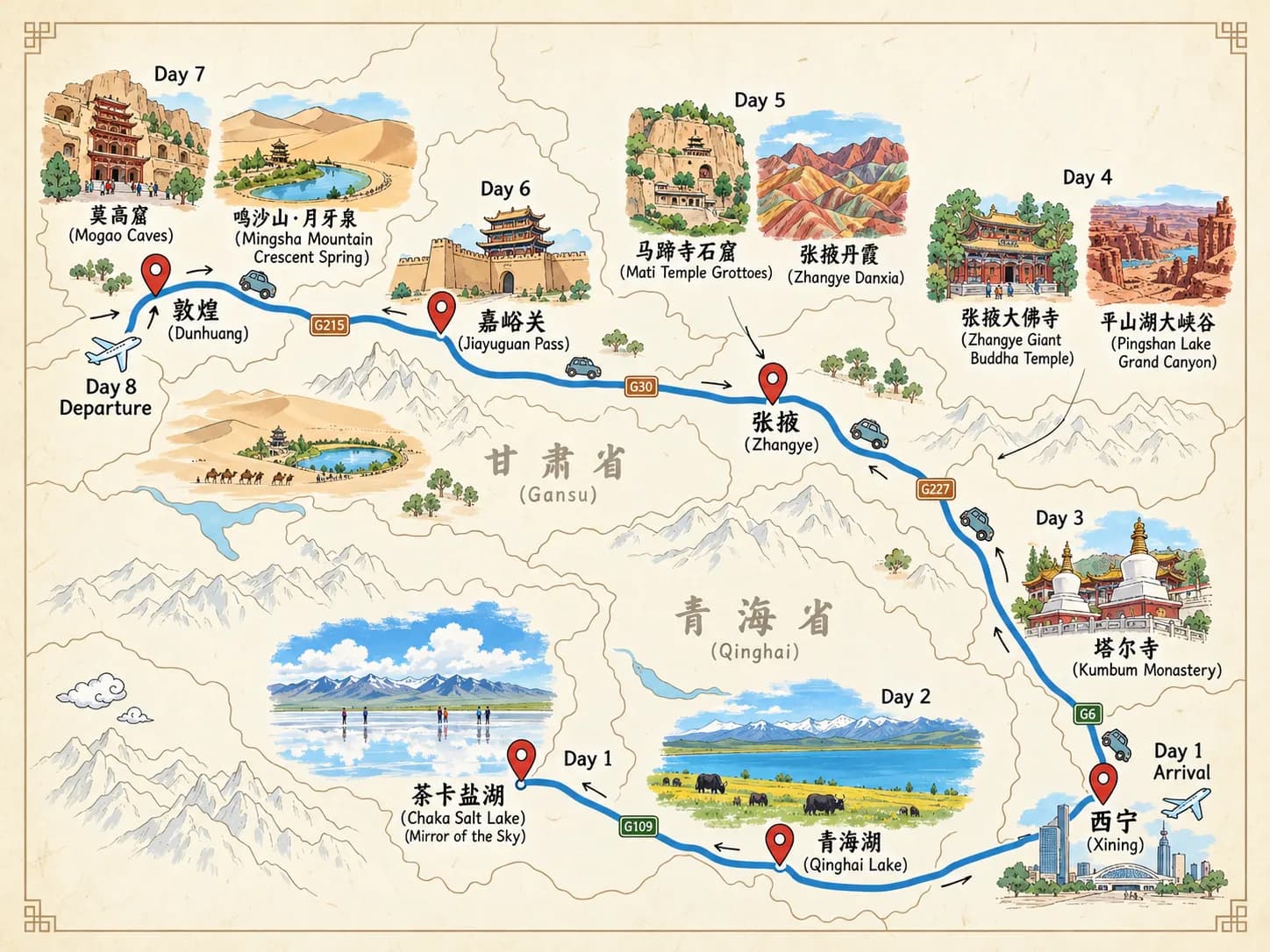
This 8-day journey follows the ancient Silk Road route through Qinghai and Gansu provinces, featuring stunning natural landscapes and profound cultural heritage.
Your experience
Itinerary & tour details
Morning | Private Pickup in Xining
Your journey begins in Xining, the capital of Qinghai Province and an important gateway to the Qinghai-Tibet Plateau. Your driver will meet you at your designated location in Xining between 00:00 and 12:00, according to your confirmed pickup arrangement. Pickup may be arranged from the airport, railway station or a hotel within the agreed service area.
After meeting your driver, organize your luggage and begin the journey toward Chaka Salt Lake. If you arrive early in the morning, you may have time for breakfast before departure. For travelers arriving closer to midday, the sightseeing schedule may need to be adjusted according to the actual pickup time and driving conditions.
Late Morning to Afternoon | Journey Across the Qinghai Plateau
Travel southwest from Xining toward the Chaka Salt Lake region, passing through the expansive landscapes of the Qinghai Plateau. Along the way, the scenery gradually changes from urban surroundings to open grasslands, mountain ridges and broad highland valleys.
Enjoy the changing views through the vehicle windows and look for opportunities to photograph the plateau scenery during suitable rest stops. The region's high elevation creates a distinctive environment, with clear skies, dramatic cloud formations and wide-open horizons on favorable days.
The drive typically takes several hours, depending on road conditions, traffic, weather and the precise starting point. Because the journey involves high-altitude terrain, drink water regularly, avoid unnecessary strenuous activity and allow yourself time to adapt to the elevation.
Afternoon | Arrival at Chaka Salt Lake
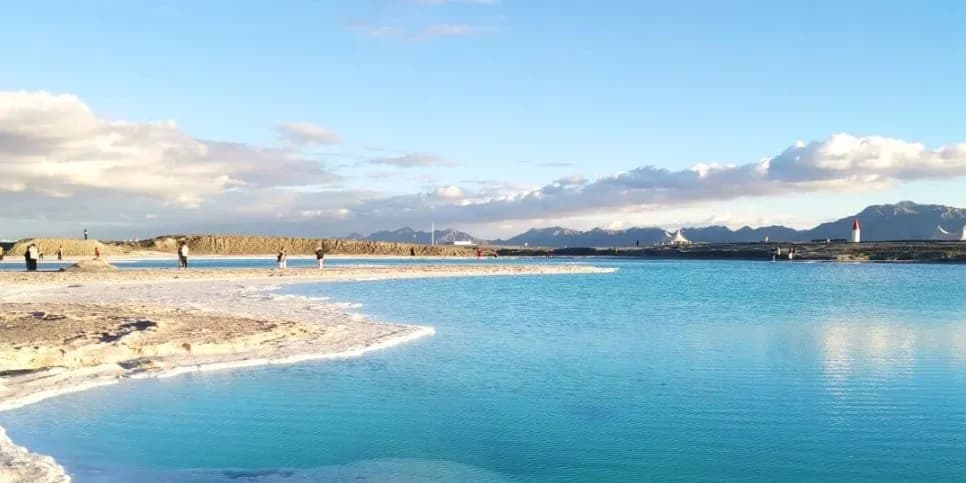
Arrive at Chaka Salt Lake, often called the Mirror of the Sky because its shallow waters can reflect the sky, clouds and surrounding mountains under suitable weather conditions. The immense salt flats create a striking landscape that appears to merge with the horizon.
Explore the designated visitor areas and admire the contrast between the white salt crust, reflective water and distant mountains. When conditions are favorable, the lake's surface can create beautiful mirror-like reflections, making it a favorite destination for landscape and travel photography.
Walk along the approved routes and take time to appreciate the subtle changes in color and light across the salt flats. Depending on weather, water levels and the designated visitor area, the reflections may range from highly reflective surfaces to broad stretches of exposed white salt.
Photography Experience | Reflections, Salt Flats and Open Horizons
Chaka Salt Lake is particularly attractive for photography when the wind is calm and the light is soft. Late afternoon may offer appealing lighting, although the best conditions depend on the season and weather. Bring sunglasses to reduce glare from the bright salt surface and use footwear suitable for the designated walking areas.
For memorable photographs, experiment with wide-angle compositions that emphasize the vastness of the lake, or use reflections to create symmetrical images of the sky and landscape. Always follow local safety instructions and avoid entering restricted or environmentally sensitive areas.
Evening | Hotel Check-In and Rest
After sightseeing, transfer to your arranged accommodation in the Chaka area and complete check-in. Enjoy dinner at your own expense unless meals are included in your package. Local restaurants may offer noodles, regional Qinghai dishes and simple Chinese meals.
The evening is best kept relaxed after the long drive and high-altitude sightseeing. Prepare warm clothing for the next day, as temperatures around the lake can drop significantly after sunset even during the warmer months.
Accommodation: Chaka area
Morning | Breakfast and Departure for Qinghai Lake
Enjoy breakfast before departing for Qinghai Lake, one of the most celebrated natural attractions on the Qinghai-Tibet Plateau. As China's largest inland saltwater lake, it is renowned for its expansive blue waters, open grasslands and distant mountain scenery.
The drive offers a chance to appreciate the changing landscapes of the plateau. Depending on the route, season and weather, you may see broad pastures, grazing livestock, agricultural settlements and mountain views along the way.
Late Morning | Qinghai Lake – The Vast Blue Waters of the Plateau
Arrive at a designated visitor area around Qinghai Lake and take time to appreciate its enormous scale. The lake's color changes with the light, ranging from deep blue to turquoise or silvery gray when clouds pass overhead.
Walk along the permitted lakeside paths or viewpoints and enjoy the tranquil atmosphere. The surrounding grasslands create a beautiful contrast with the water, while distant mountains provide a dramatic backdrop on clear days.
Qinghai Lake is also an important ecological habitat for migratory birds and other wildlife. Depending on the season and location, bird activity may be particularly noticeable. Observe wildlife from a respectful distance and follow local conservation rules.
Scenic Stops | Lakeside Photography and Grassland Views
Spend time photographing the landscape and enjoying the open plateau scenery. During the warmer months, the surrounding grasslands can become especially vibrant, while seasonal wildflowers may add color to selected areas. In other seasons, the scenery can appear more subdued and atmospheric.
The lake is vast, and the appearance of the shoreline varies from one visitor area to another. Your driver will help coordinate the sightseeing route according to road access, visitor arrangements and the time available.
Midday | Lunch Near Qinghai Lake
Enjoy lunch at your own expense at a restaurant near the designated scenic area or along the return route. You may find local noodle dishes, lamb specialties, regional Chinese cuisine and simple meals suitable for a day of sightseeing.
After lunch, take a final look at the lake before beginning the return journey to Xining. Allow time for rest stops and changing road conditions, particularly during weekends and public holidays.
Afternoon | Scenic Drive Back to Xining
Return to Xining through the highland countryside. The drive provides another opportunity to enjoy the broad landscapes of Qinghai and reflect on the contrasts between Chaka Salt Lake's white salt flats and Qinghai Lake's expansive blue waters.
Depending on your arrival time, you may have an opportunity to explore a nearby shopping street or enjoy a short walk around your hotel after check-in. Keep the evening flexible to allow for travel fatigue.
Evening | Dinner and Leisure in Xining
Check in to your hotel in Xining and enjoy dinner at your own expense. Xining's cuisine reflects a mixture of regional traditions, with popular options including hand-pulled noodles, beef noodle soup, lamb dishes and other Qinghai specialties.
After dinner, relax at the hotel and prepare for the following day's visit to Kumbum Monastery and onward transfer to Zhangye.
Accommodation: Xining
Morning | Breakfast and Departure for Kumbum Monastery
Enjoy breakfast at your hotel before departing for Kumbum Monastery, also known as Ta'er Temple. Located near Xining, the monastery is one of the most important centers of Tibetan Buddhism in Qinghai and is widely recognized for its religious heritage, traditional architecture and artistic craftsmanship.
The journey takes you away from the city toward a historic religious complex set amid the surrounding hills. Depending on traffic and local access conditions, allow sufficient time for the transfer and entry procedures.
Morning | Kumbum Monastery – A Major Center of Tibetan Buddhism
Explore the monastery's designated visitor areas and discover its importance within the Gelug school of Tibetan Buddhism. Kumbum Monastery is closely associated with Tsongkhapa, the influential Tibetan Buddhist teacher traditionally regarded as the founder of the Gelug school.
Walk through the courtyards and admire the traditional buildings, decorative roofs, prayer spaces and religious artworks. The monastery complex offers a glimpse into the architectural and spiritual traditions that have shaped religious life across the Qinghai-Tibet Plateau.
Depending on the areas open to visitors, you may see richly decorated halls, Buddhist statues, murals, traditional ornaments and other religious features. Take time to appreciate the craftsmanship and learn about the role of monasteries in religious education, community life and cultural preservation.
Cultural Etiquette | Respectful Monastery Visit
Kumbum Monastery remains an active religious site. Dress modestly, follow the designated visitor route and observe any restrictions on photography. Walk quietly in worship areas, avoid disturbing ceremonies and follow local instructions when entering religious buildings.
Midday | Lunch Near the Monastery
Enjoy lunch at your own expense before continuing the journey toward Zhangye. Depending on the available dining options, you may choose regional Qinghai dishes, noodles or a simple Chinese meal.
Afternoon | Transfer from Xining to Zhangye
Depart for Zhangye, a historic city in Gansu Province that developed as an important settlement along the ancient Silk Road. The overland journey crosses a landscape shaped by mountains, valleys and arid inland terrain, offering a transition from Qinghai's highland environment to the drier scenery of the Hexi Corridor.
The transfer duration depends on the confirmed transportation arrangement, route, traffic and weather. If traveling by road, allow for rest stops and possible changes in driving time. If a train or another transportation service is used, the itinerary should be adjusted to match the confirmed timetable.
Late Afternoon | Arrival and Hotel Check-In in Zhangye
Arrive in Zhangye and transfer to your selected hotel. Complete check-in and take some time to rest after the journey.
If time permits, enjoy a short walk near the hotel or explore a nearby commercial street. Zhangye has a long history as a Silk Road settlement, and its local culture reflects the movement of merchants, travelers and religious traditions across northwestern China.
Evening | Local Cuisine and Leisure
Enjoy dinner at your own expense. Zhangye offers a variety of northwestern Chinese dishes, including noodles, dumplings, lamb specialties and regional snacks. After dinner, return to your hotel and prepare for the following day's visit to Zhangye Buddha Temple and Pingshan Lake Grand Canyon.
Accommodation: Zhangye
Morning | Breakfast and Visit to Zhangye Buddha Temple
After breakfast, begin the day with a visit to Zhangye Buddha Temple, an important historic religious site known for its monumental reclining Buddha and traditional Buddhist architecture.
The temple reflects Zhangye's historical position along the Silk Road, where trade and cultural exchange helped Buddhism spread across northwestern China. The site offers a quieter cultural experience before heading into the rugged landscapes outside the city.
Morning | The Reclining Buddha and Temple Architecture
Explore the accessible temple areas and discover the significance of its large reclining Buddha, widely regarded as one of the major historic Buddhist sculptures in China. The figure represents the Buddha entering parinirvana and provides a powerful example of the religious art that developed along Silk Road routes.
Observe the surrounding architecture, decorative elements and religious imagery. Depending on the current visitor arrangements, you may also learn about the temple's history, preservation and relationship with the Buddhist traditions of the Hexi Corridor.
Take time to appreciate the scale of the sculpture and the craftsmanship involved in its creation. Follow photography rules and other site regulations, particularly inside religious halls.
Midday | Lunch in Zhangye
Enjoy lunch at your own expense before departing for Pingshan Lake Grand Canyon. A meal in the city provides a convenient opportunity to sample local noodles, lamb dishes or other regional specialties.
Afternoon | Pingshan Lake Grand Canyon – Spectacular Rock Formations
Travel to Pingshan Lake Grand Canyon, a dramatic geological landscape characterized by towering rock walls, deeply eroded gullies, narrow passages and layered formations in earthy shades of red, brown, gray and gold.
Explore the designated scenic area and enjoy views of the canyon's unusual geological structures. Over long periods, erosion and weathering have sculpted the rock into dramatic ridges and valleys, creating a landscape that feels distinctly different from the open grasslands and lakes of Qinghai.
Follow the permitted walking routes and viewing platforms to appreciate the canyon from different perspectives. Some routes may include stairways, uneven ground, exposed sections or longer walks, so choose a route appropriate to your fitness level and the day's weather.
Scenic Viewpoints | Layers of Rock and Panoramic Landscapes
At suitable viewpoints, pause to photograph the sweeping canyon scenery and the intricate shapes of the rock formations. The colors and textures can change significantly with the angle of the sunlight, creating strong contrasts between sunlit ridges and shaded ravines.
Listen to your guide's explanations of the geological features where available, and avoid leaving designated paths. The terrain can be uneven and exposed, so use extra caution around viewpoints and stairways.
Late Afternoon | Return to Zhangye
After the canyon visit, return to Zhangye and enjoy some time at your hotel. If the schedule and energy level permit, take a relaxed walk in the surrounding area or browse local shops for regional snacks and souvenirs.
Evening | Dinner and Rest
Enjoy dinner at your own expense and relax for the evening. The next day combines two distinctive highlights of the Zhangye region: the cliffside Buddhist grottoes of Mati Temple and the spectacular multicolored mountains of the Danxia landscape.
Accommodation: Zhangye
Morning | Breakfast and Journey to Mati Temple
Enjoy breakfast at your hotel before traveling to Mati Temple, also known as Horse Hoof Temple. Located in a mountainous area south of Zhangye, the temple complex is renowned for its Buddhist grottoes, cliffside religious structures and distinctive integration of architecture with the natural rock landscape.
The journey offers views of the surrounding countryside and mountain terrain. Travel time depends on the route, road conditions and the exact grotto areas included in your visit.
Morning | Mati Temple Grottoes – Buddhist Caves Carved into the Cliffs
Explore the designated areas of Mati Temple and discover its remarkable collection of Buddhist grottoes. The religious complex includes caves and structures associated with centuries of Buddhist worship and artistic activity in the Hexi Corridor.
Observe how the grottoes are integrated into the rock faces, creating a distinctive combination of natural cliffs, carved spaces and traditional religious architecture. Depending on the visitor route and current access arrangements, you may encounter cave chambers, carved niches, religious sculptures and historic decorative details.
Learn about the site's role in the broader network of Buddhist heritage along the ancient Silk Road, where religious ideas and artistic traditions traveled between Central Asia and China.
Scenic Exploration | Mountain Views and Cliffside Architecture
Take time to appreciate the relationship between the grottoes and the surrounding mountain scenery. The contrast between the rugged rock formations and the historic religious structures makes Mati Temple a particularly distinctive destination for cultural photography.
Some sections may involve stairs, narrow paths or uneven surfaces. Follow your guide's instructions, use handrails where available and check whether specific grottoes are open before entering. Photography restrictions may apply in religious or protected areas.
Midday | Lunch and Rest
Enjoy lunch at your own expense at a suitable restaurant near the attraction or along the route back toward Zhangye. Allow time to rest before the afternoon visit to the Danxia landscape.
Afternoon | Zhangye Danxia Landform Geological Park – The Rainbow-Colored Mountains
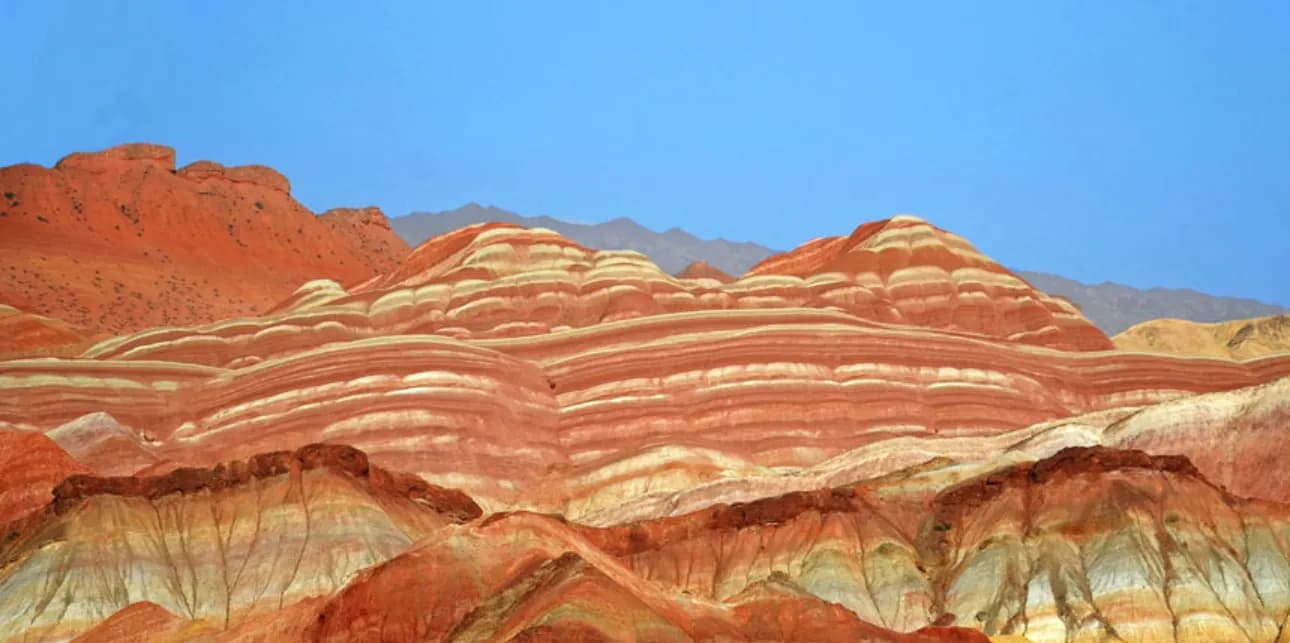
Continue to Zhangye Danxia Landform Geological Park, one of the most visually striking landscapes in northwestern China. The area is famous for its multicolored rock layers, where shades of red, orange, yellow, brown and gray form sweeping patterns across hills and ridges.
The colorful formations developed through complex geological processes involving sediment deposition, mineral composition, tectonic movement and long-term erosion. Their distinctive bands and undulating contours create the impression of a vast natural painting across the landscape.
Explore the designated scenic route and use the viewing platforms to admire the formations from different angles. The park's layout allows visitors to appreciate the varied shapes and colors of the mountains without leaving the established visitor areas.
Photography Experience | Changing Light Across the Danxia Mountains
Spend time photographing the layered formations and sweeping ridgelines. Under suitable lighting, the colors can appear particularly vivid, while changing cloud cover may create dramatic contrasts across the hills.
Late afternoon can provide attractive photographic conditions, although the actual colors depend on the weather, sunlight and season. Use the designated platforms and avoid climbing onto protected geological formations, as these landscapes are vulnerable to damage.
Depending on the confirmed ticket and operating arrangements, the visit may include access to several viewing platforms connected by internal shuttle services. The final sequence and duration will depend on crowd levels, weather and the park's current operating rules.
Evening | Return to Zhangye
Return to your hotel after the Danxia visit. Enjoy dinner at your own expense and relax after a full day of cultural sightseeing and outdoor exploration.
Accommodation: Zhangye
Early Morning | Breakfast and Departure from Zhangye
After breakfast, check out of your hotel and depart for Jiayuguan, a historic frontier city known for its monumental pass and its role in the western defense system of the Ming Dynasty Great Wall.
The journey continues west along the Hexi Corridor, a historically important route connecting central China with oasis settlements and trade networks farther west. The landscape gradually becomes more arid, with broad desert plains, distant mountain ranges and settlements shaped by the region's scarce water resources.
Morning to Midday | Jiayuguan Pass – The Western Gateway of the Ming Great Wall
Visit Jiayuguan Pass, one of the most famous fortified passes associated with the Ming Dynasty Great Wall. The fortress occupies a strategic position near the western end of the Ming Great Wall system and historically controlled an important corridor through which travelers, merchants and military forces moved.
Explore the designated visitor areas and admire the fortress walls, watchtowers, gates and defensive structures. The scale of the complex reveals the importance of border security and communication along China's northwestern frontier.
Learn about the strategic role of the pass and its relationship with the broader Great Wall defense network. Although often described as the western end of the Great Wall, the exact extent of the wall system varies according to historical period and section; Jiayuguan is particularly famous as the western terminus of the Ming-era fortifications in this region.
Fortress Exploration | Walls, Gates and Frontier Architecture
Walk through the permitted areas of the fortress and observe the traditional defensive design. The walls, gates and towers illustrate how the fortifications were arranged to monitor movement through the corridor and strengthen control over the surrounding landscape.
Take photographs of the fortress against the arid scenery and distant mountains. Depending on the route and ticket arrangements, additional exhibition areas may explain the history of the pass, the construction of the fortifications and the everyday life of frontier soldiers.
Midday | Lunch in Jiayuguan
Enjoy lunch at your own expense before continuing to Dunhuang. A convenient restaurant in the city provides an opportunity to rest and prepare for the longer journey west.
Afternoon | Transfer to Dunhuang Through the Hexi Corridor
Continue toward Dunhuang, one of the most important historic oasis settlements along the ancient Silk Road. The overland journey crosses an expansive region of dry plains and desert-edge landscapes, highlighting the challenges faced by merchants and travelers who once relied on oasis towns for water, supplies and shelter.
Transportation may be arranged by private vehicle or another confirmed service, depending on your booking. The journey can take several hours, so allow sufficient time for rest stops and possible changes in travel duration.
Evening | Arrival in Dunhuang and Hotel Check-In
Arrive in Dunhuang and transfer to your hotel. After check-in, take time to rest or enjoy a short walk near the city center if your arrival time allows.
Dunhuang is renowned for its Silk Road heritage, Buddhist cave art and surrounding desert scenery. Its position at the edge of the desert made it a significant meeting point for merchants, monks and travelers moving between China and Central Asia.
Optional Evening | Shazhou Night Market
If time permits, visit Shazhou Night Market to experience Dunhuang's lively evening atmosphere. Browse stalls selling local snacks, dried fruit, regional specialties, handicrafts and souvenirs inspired by the Silk Road.
Try local dishes or sample a variety of small snacks at your own expense. The market offers a relaxed introduction to Dunhuang's food culture and is an enjoyable place to spend the evening after the journey from Jiayuguan.
Accommodation: Dunhuang
Morning | Breakfast and Departure for the Mogao Caves
Enjoy breakfast at your hotel before setting out for the Mogao Caves, one of the most important centers of Buddhist art and Silk Road heritage in China. The site is internationally renowned for its cave temples, wall paintings, sculptures and historical records reflecting centuries of cultural exchange.
Morning | Mogao Caves – A Treasure House of Buddhist Art
Explore the Mogao Caves according to your confirmed ticket and assigned visitor arrangements. Developed over many centuries, the cave complex preserves an extraordinary collection of Buddhist art that documents the movement of religious beliefs, artistic styles and cultural influences across the Silk Road.
Inside the designated caves, admire the Buddhist murals, sculptures and decorative details that reveal different artistic traditions and historical periods. The paintings depict religious narratives, celestial figures, architectural scenes and aspects of historical life, providing valuable insight into the cultural world of the Silk Road.
The Mogao Caves are not simply a collection of religious artworks; they also reflect the connections between Chinese, Central Asian and other artistic traditions. The site offers a compelling account of how Buddhism developed and spread through trade, travel and religious pilgrimage.
Important Ticket Information: Admission to the Mogao Caves is controlled and generally requires advance reservation. Available cave routes, visitor numbers and ticket categories may vary by date and season. Confirm your booking well in advance and follow the official visitor instructions. Photography restrictions apply in the caves, and visitors should comply with all preservation rules.
Late Morning | Visitor Facilities and Cultural Context
Depending on the confirmed admission arrangement, the visit may include access to designated exhibition facilities, explanatory displays or an introductory presentation before entering the cave area.
Allow enough time for security checks, shuttle transfers and the assigned visiting sequence. Because the site is dedicated to preserving fragile historical artworks, visitor routes are carefully managed and may differ from one booking category to another.
Midday | Lunch in Dunhuang
Return toward the city or dine at a suitable restaurant near the sightseeing route. Meals are at your own expense unless otherwise specified. Dunhuang offers northwestern Chinese cuisine, noodles, lamb dishes and local specialties that provide a convenient lunch before the afternoon desert excursion.
Afternoon | Mingsha Mountain – Golden Dunes and Desert Adventure
Continue to Mingsha Mountain, a spectacular desert landscape known for its sweeping sand dunes and distinctive sounds produced by moving sand under suitable conditions. The dunes rise dramatically above the surrounding oasis, creating one of Dunhuang's most recognizable natural scenes.
Explore the designated scenic area and admire the shifting shapes of the sand dunes. The landscape changes with the sunlight, with warm golden tones becoming particularly striking when the light is low.
Walk along the approved paths and enjoy views across the desert. For visitors interested in additional activities, optional experiences may include camel rides, sand sliding or other activities offered by the scenic area. These activities may require separate tickets and depend on operating conditions.
Late Afternoon | Crescent Spring – An Oasis Among the Dunes
Visit Crescent Spring, a remarkable crescent-shaped water feature nestled among the dunes of Mingsha Mountain. The spring has long been one of Dunhuang's most iconic sights, illustrating the close relationship between desert environments and precious water sources.
Walk around the designated viewpoints and admire the contrast between the spring, traditional-style buildings and the surrounding sand dunes. The setting provides excellent opportunities for photography, especially when the light creates warm tones across the desert landscape.
Learn about the oasis's historical and environmental significance, including the challenges of conserving water in an arid region. Follow the scenic area's rules and remain on the established paths to help protect this fragile environment.
Photography Tips | Desert Light and Oasis Views
Late afternoon can provide attractive light for photographing the dunes and spring, although the best conditions depend on the season, cloud cover and visitor access. Bring sun protection, water and footwear suitable for sandy terrain. Protect cameras and mobile devices from fine sand, and follow all instructions regarding dune access.
Evening | Dunhuang Night Market – Local Food and Silk Road Atmosphere
Return to Dunhuang city center and visit Shazhou Night Market for an evening of food, shopping and cultural discovery. The market is a lively place to explore regional snacks, browse souvenirs and enjoy the atmosphere of a historic Silk Road destination.
Look for local specialties such as noodles, lamb dishes, skewers, flatbreads, dried fruits and other northwestern Chinese snacks. Food stalls and restaurant offerings vary, so choose vendors that suit your preferences and budget.
Browse the market's craft and souvenir stalls for items inspired by Dunhuang's Buddhist art, desert landscapes and Silk Road history. After dinner, return to your hotel and rest before departure the following day.
Accommodation: Dunhuang
Morning | Breakfast and Hotel Check-Out
Enjoy breakfast at your hotel, subject to the hotel's breakfast schedule and your departure time. If your flight is later in the day, you may have a little time to relax, organize your luggage or take a short walk near the hotel.
Check that you have collected all personal belongings, travel documents, electronic devices and souvenirs before checking out. Keep your passport or required identification easily accessible for airport procedures.
Private Transfer | Dunhuang Mogao International Airport
Meet your driver at the confirmed pickup time and transfer to Dunhuang Mogao International Airport for your onward flight. The pickup time should be arranged according to your flight departure, hotel location and the airport's check-in requirements.
Travel time depends on traffic, weather and the exact hotel location. Allow sufficient time for baggage drop, security screening and boarding, particularly if you are traveling during a busy holiday period.
Tour Conclusion
Your eight-day journey through Qinghai and Gansu concludes with a remarkable collection of landscapes and cultural experiences, from the mirror-like salt flats of Chaka Salt Lake and the vast blue waters of Qinghai Lake to the Buddhist heritage of Kumbum Monastery, the colorful Danxia mountains of Zhangye, the frontier fortress of Jiayuguan and the extraordinary cave art and desert scenery of Dunhuang.
The journey follows the spirit of the ancient Silk Road, revealing how natural landscapes, religious traditions, trade routes and frontier settlements shaped the cultural history of northwestern China.
Your journey, simplified
How We Work
From the first idea to the final day, every detail is handled with care.
Share your travel ideas
Tell us where you want to go and what you enjoy.
Meet your travel advisor
We shape a personal itinerary around your priorities.
Confirm your journey
Review every detail and reserve with confidence.
Travel with support
Our team stays available throughout your trip.
Travel expert
Contact Your Travel Specialist
Get practical advice from a local specialist and turn this route into a trip that fits you.
Start planningRelated Articles
Swipe to explore