What to Eat in China: A Local’s Guide to Must-Try Dishes, Cuisines & Street Food
If you’re planning a trip to China, let me tell you—food isn’t just fuel here. It’s culture, it’s history, it’s how locals connect. I’ve traveled to 20+ Chinese provinces over the years, and every time I sit down to a meal, I’m still wowed by how diverse, flavorful, and unapologetically unique the food is.
Forget the “Chinese food” you know from back home (sorry, but that sweet-and-sour chicken with broccoli? Barely scratches the surface). China’s 23 provinces each have their own cooking style, shaped by climate, ingredients, and centuries of tradition. From numbing-spicy Sichuan hot pot to delicate Cantonese dim sum, there’s something to satisfy every craving—if you’re willing to explore.
Let’s break down the best eats you can’t miss, plus my personal tips for eating like a local. Trust me, your taste buds will thank you.
First: Understand China’s 8 Great Cuisines (Game-Changer for Food Lovers)
Before diving into specific dishes, let’s talk about the big picture. China’s “8 Great Cuisines” are the backbone of its food scene—each with distinct flavors that tell a story about the region. I’ve tried all 8, and here’s what you need to know (no fancy jargon, just honest takes):
Shandong (Lu): Hailing from Northern China (Shandong Province), it’s rich, savory, and slightly salty—leaning heavily on seafood, grains, and soy sauce. Don’t miss Braised Sea Cucumber with Scallions.
Sichuan (Chuan): From Southwest China (Sichuan Province), it’s all about spicy, numbing (“mala”) boldness—think chili peppers and Sichuan peppercorns. The must-try is Mapo Tofu (silky tofu in a fiery sauce).
Hunan (Xiang): Central China’s (Hunan Province) contribution is fiery hot (pure spice, no numbing!) with fresh veggies and pork taking center stage. Go for Spicy Stir-Fried Pork Slices (La Zi Rou).
Cantonese (Yue): Southern China (Guangdong, Hong Kong, Macau) brings light, fresh, delicate flavors—focused on highlighting ingredients’ natural taste. Steamed Fish with Ginger & Scallions is iconic.
Jiangsu (Su): Eastern China (Jiangsu Province) offers sweet, umami, elegant dishes where seafood and freshwater fish shine. Braised Pork Belly (Hong Shao Rou) is a standout.
Zhejiang (Zhe): Also from Eastern China (Zhejiang Province), it’s fresh, slightly sweet, and tender—featuring bamboo shoots and river fish. Try West Lake Vinegar Fish.
Anhui (Hui): Eastern China (Anhui Province) serves earthy, hearty fare with mountain ingredients like mushrooms, bamboo, and wild herbs. Braised Turtle with Scallions is a local favorite.
Fujian (Min): Southeast China (Fujian Province) delivers light, sweet, seafood-forward dishes, often using rice wine and shrimp paste. The luxury Buddha Jumps Over the Wall (seafood stew) is a must for special meals.
My pro tip: If you’re visiting multiple regions, lean into the local cuisine. Eating Sichuan food in Chengdu? Go all-in on the spice (they have mild options if you ask!). In Guangzhou? Skip heavy sauces and opt for steamed or boiled dishes—you’ll taste the difference in freshness.
10 Must-Try Chinese Dishes (From National Icons to Local Favorites)
These are the dishes I tell every traveler to order—they’re iconic, delicious, and give you a true taste of China. I’ve eaten most of these dozens of times, and they never get old.
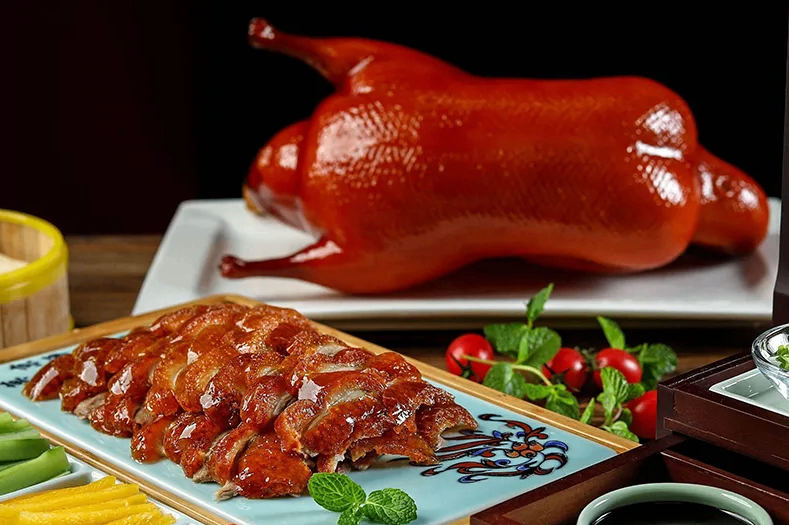
1. Peking Duck (Beijing): Let’s start with the king. Peking Duck isn’t just a dish—it’s a cultural experience. I’ve had it in fancy restaurants (like Quanjude, the famous 150-year-old spot) and tiny family-owned joints in Beijing, and the best versions have crispy, golden skin that shatters when you bite into it. Here’s how to eat it like a local: Take a thin pancake, spread a little sweet bean sauce, add a slice of duck skin (and a tiny bit of meat), top with scallions and cucumber strips, then roll it up. Pop the whole thing in your mouth—crunchy, savory, sweet, and fresh all at once. Pro move: Ask for “the whole duck experience”—some restaurants will carve the duck tableside, and you can even get the bones made into soup (so flavorful!).
2. Sichuan Hot Pot (Sichuan/Chengdu): I’m obsessed with hot pot—especially in Chengdu, the “Hot Pot Capital of China.” It’s not just a meal; it’s a social event. Imagine sitting around a table with friends, a big pot of simmering broth in the middle (split into “mala” spicy and clear if you’re not a spice fan), and plates of raw ingredients: thin beef slices, tofu skin, enoki mushrooms, lotus root, and more. You cook your own food in the broth—dip it in your custom sauce (I mix sesame paste, chili oil, garlic, and cilantro) and eat it piping hot. Even in summer, locals pack hot pot restaurants—there’s something about that spicy-savory broth that’s addictive. Warning: The “mala” broth is numbing (thanks to Sichuan peppercorns) and spicy—start with mild if you’re sensitive!
3. Dim Sum (Guangdong/Hong Kong): Dim sum is my favorite breakfast (or brunch!) in China. It’s all about small, bite-sized dishes served in bamboo steamers—think dumplings, buns, rolls, and desserts. I love going to a “dim sum house” in Guangzhou or Hong Kong, where servers push trolleys around with fresh steamers, and you point to what you want. Must-try dim sum dishes include Har Gow (shrimp dumplings: translucent skin, juicy shrimp inside—perfectly fresh), Siu Mai (pork and shrimp dumplings: topped with a dot of fish roe, savory and tender), Char Siu Bao (barbecue pork buns: soft, sweet bun filled with sticky, flavorful pork), and Egg Tarts (buttery crust, creamy egg filling—best eaten warm). Pro tip: Pair dim sum with jasmine tea (it cuts through the richness) and don’t be shy to order multiple dishes—they’re small!
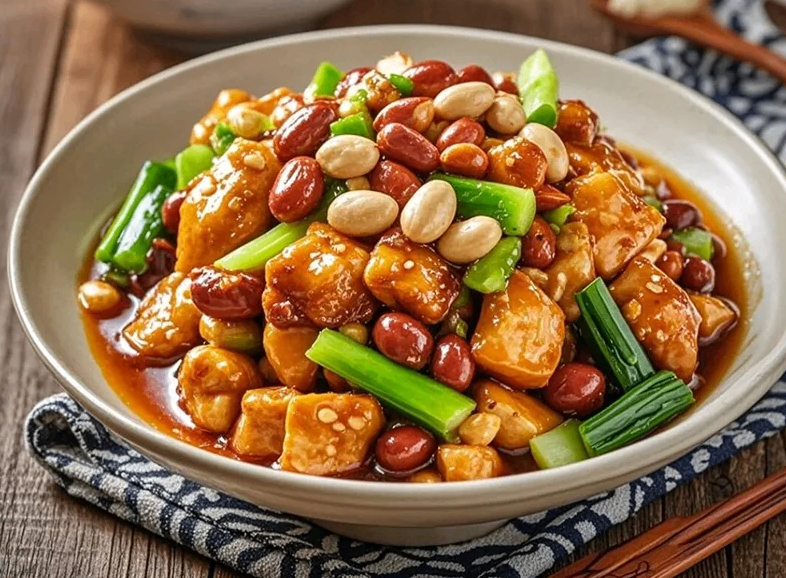
4. Kung Pao Chicken (Sichuan): You’ve probably had Kung Pao Chicken before, but the authentic version in Sichuan is a game-changer. Forget the sweet, vegetable-loaded version abroad—real Kung Pao Chicken is spicy, numbing, and packed with flavor. It’s made with diced chicken, dried chili peppers, Sichuan peppercorns, peanuts, and a hint of soy sauce and vinegar. The peanuts add crunch, the chili gives heat, and the Sichuan peppercorns leave a tingly numbness on your tongue. I ate it every other day when I was in Chengdu—so good with steamed rice.
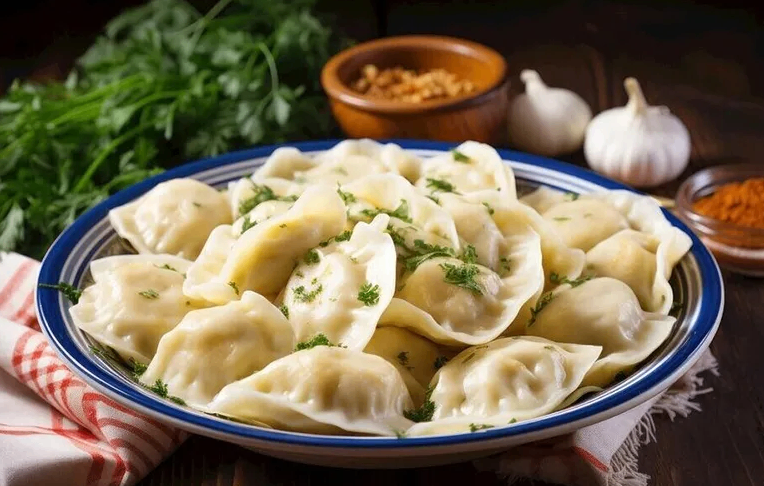
5. Dumplings (Northern China): Dumplings (jiaozi) are more than food in China—they’re a tradition. Especially during Chinese New Year, families gather to fold dumplings together. I’ve joined a few local families for dumpling-making, and it’s such a fun way to connect. Authentic dumplings are filled with ground pork, shrimp, or vegetables (cabbage, chives, mushrooms) and wrapped in a thin dough. They’re boiled, steamed, or pan-fried (my favorite is pan-fried—crispy on the bottom, soft on top). Dipping sauce: Mix soy sauce, vinegar, garlic, and a little chili oil. Pro move: If you’re in Northern China, ask for “sour soup dumplings”—they’re filled with broth that bursts in your mouth (be careful, it’s hot!).
6. Yangzhou Fried Rice (Jiangsu): Fried rice might seem simple, but Yangzhou Fried Rice is the gold standard. Originating from Yangzhou (a city in Jiangsu Province), it’s made with long-grain rice, eggs, shrimp, barbecued pork (char siu), peas, and carrots. The key? The rice is cooked the day before (so it’s not sticky) and stir-fried on high heat to get that “wok hei” (smoky flavor). I’ve had fried rice in every province, but Yangzhou-style is my go-to when I’m craving something comforting. It’s not greasy, it’s flavorful, and it’s available at almost every restaurant—great for a quick meal.
7. Sweet and Sour Pork (Across China): If you’re new to Chinese food and want something familiar, sweet and sour pork is a safe bet—but the authentic version is way better than what you’re used to. It’s made with crispy pork chunks coated in a tangy-sweet sauce (no ketchup here!) and sometimes paired with pineapples or bell peppers. The sauce is bright orange, the pork is crunchy on the outside and tender on the inside. I ate this a lot when I first visited China—easy to love, and it’s a great gateway to more adventurous dishes.
8. Braised Pork Belly (Hong Shao Rou) (Jiangsu/Zhejiang): Pork belly lovers, this one’s for you. Hong Shao Rou is braised pork belly cooked with soy sauce, sugar, rice wine, and star anise. The result? Meltingly tender pork that falls apart with a fork, sweet and savory with a glossy sauce. I had the best version in Suzhou (Jiangsu Province)—they cook it slowly for hours, so the fat melts into the meat. It’s rich, so you don’t need a lot, but it’s absolutely delicious with steamed rice.
9. Lanzhou Beef Noodle Soup (Gansu): If you’re craving noodles, Lanzhou Beef Noodle Soup is a must. Originating from Lanzhou (Gansu Province), it’s a staple across China—you’ll find noodle shops on almost every street. The soup is clear and flavorful (made with beef bones simmered for hours), the noodles are hand-pulled (you can choose the thickness—thin, wide, curly), and it’s topped with sliced beef, green onions, and cilantro. Add a spoonful of chili oil if you want heat. I ate this for lunch almost every day when I was in Xi’an—hearty, cheap, and satisfying.
10. Stinky Tofu (Across China, but Famous in Changsha): Okay, hear me out—stinky tofu is an acquired taste, but it’s worth trying. It’s tofu fermented in a brine (often with vegetables and spices), so it has a strong, pungent smell (think blue cheese times 10). But when it’s fried, the outside is crispy, the inside is soft, and it’s served with spicy sauce or pickled vegetables. I was hesitant at first, but I tried it in Changsha (Hunan Province) and loved it. It’s salty, spicy, and surprisingly addictive. If you’re feeling brave, give it a go—locals swear by it!
Don’t Miss Chinese Street Food & Snacks (The Best Part of Eating in China!)
Some of my favorite meals in China aren’t from fancy restaurants—they’re from street stalls and small snack shops. Street food is cheap, authentic, and a great way to taste local life. Here are my top picks:
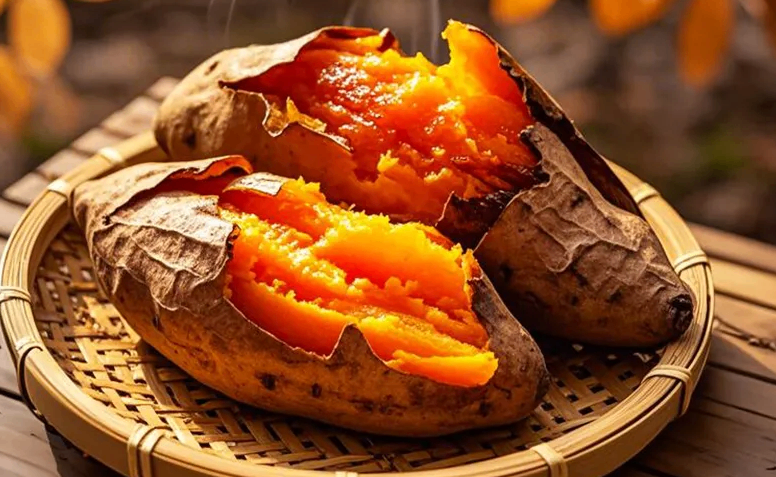
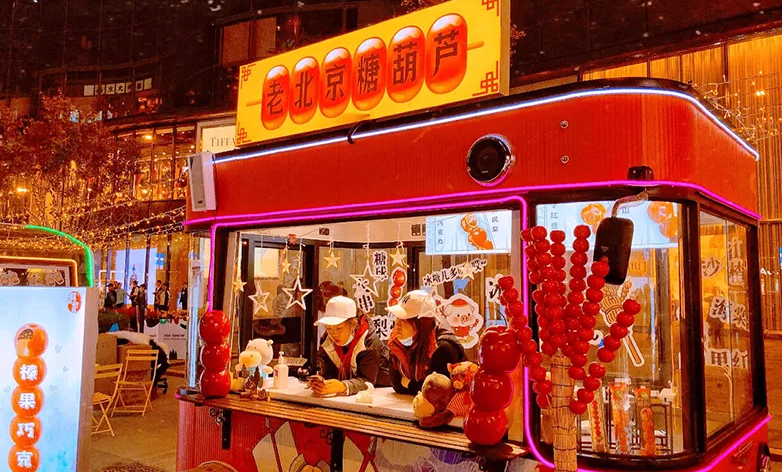
Must-Try Street Foods: Chinese Hamburger (Rougamo) is a crispy flatbread stuffed with braised pork, beef, or vegetables—popular in Shaanxi Province, so try it in Xi’an’s Muslim Quarter. Deep-Fried Dough Sticks (You Tiao) are crunchy, savory dough sticks—perfect with soy milk for breakfast, and you’ll see street vendors selling these early in the morning. Baked Sweet Potato is roasted in a clay oven—sweet, soft, and warm, great for cold days (I ate one every afternoon in Beijing in winter). Street Barbecue (Xiaochi) is a staple in every city—grilled skewers of meat (pork, beef, lamb), vegetables (eggplant, mushrooms, peppers), and even seafood; in Chengdu, they’re spicy and numbing, while in Qingdao, they’re paired with beer. Steamed Buns (Baozi) are soft steamed buns filled with pork, beef, red bean paste, or vegetables—cheap and filling, ideal for a quick snack.
Best Snack Streets to Visit: Wangfujing Snack Street (Beijing) is famous for a mix of local and exotic snacks (think scorpions on a stick—if you’re brave!). Muslim Quarter (Xi’an) is my favorite—lantern-lit streets with lamb burgers, noodle soup, and date cakes. Huangshan Snack Street (Huangshan) offers mountain-themed snacks like bamboo shoot cakes and wild mushroom buns. Shangxiajiu Pedestrian Street (Guangzhou) has dim sum stalls, sugarcane juice, and Cantonese pastries.
Pro tip: Street food is safe to eat if you choose stalls with long lines (locals know the best spots!). And don’t worry about “unclean” looks—most street vendors keep their food fresh and hygienic.
My Top Tips for Eating Like a Local in China
After years of traveling, I’ve picked up a few tricks to make the most of your food experience: 1. Learn basic food phrases: “Duoshao qian?” (How much?) and “Bu la” (Not spicy) will go a long way. 2. Ask for recommendations: Locals love sharing their favorite dishes—just point to what someone else is eating and say “Wo yao yi ge” (I want one). 3. Don’t be afraid to try new things: Some of the best dishes are the ones you’ve never heard of. 4. Bring hand sanitizer: Street food stalls might not have soap—hand sanitizer is handy. 5. Eat with chopsticks: It’s part of the experience! If you’re struggling, ask for a fork—most restaurants have them. 6. Try local drinks: Pair your meal with jasmine tea, chrysanthemum tea, or local beer (Tsingtao is popular, but try regional beers like Yanjing in Beijing).
Final Thought: Food Is the Best Way to Explore China
China’s food scene is vast, diverse, and full of surprises. Whether you’re eating Peking Duck in Beijing, hot pot in Chengdu, or street barbecue in Xi’an, every meal tells a story. Don’t stick to what you know—be adventurous, ask locals for tips, and savor every bite. Some of my best memories in China are sitting around a table with strangers, sharing a hot pot, and laughing (even if we didn’t speak the same language).
So, what are you most excited to eat? Let me know in the comments—I’d love to hear about your food adventures in China!
Questions?
-
Email
zhanwenjuan@lingshicha.net
-
WhatsApp