Interesting Chinese Food Trivia You Might Not Know
If you’re like most people, your first brush with Chinese food might have been a takeout box of sweet and sour pork or chow mein—delicious, sure, but barely scratching the surface of one of the world’s oldest and most diverse culinary traditions. After 10 years of traveling across China (from Sichuan’s spicy streets to Cantonese dim sum parlors) and obsessing over food culture, I’m here to share the juicy, lesser-known details that make Chinese cuisine so magical.
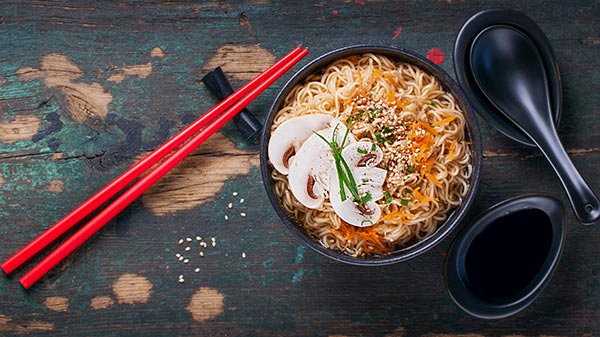
Chopsticks & Spoons: It’s Not Just About Picking Food Up
Chopsticks aren’t just “Chinese cutlery”—they’re a tool that’s been refined over 3,000 years! Unlike forks, which pierce food, chopsticks require a gentle grip that respects ingredients (ever notice how stir-fried veggies stay intact in Chinese dishes? Thank chopsticks!). But here’s the thing most Westerners miss: you never stick chopsticks upright in a bowl of rice (it resembles a funeral ritual) and you don’t wave them around to gesture.
And soups? Forget sipping from the bowl (unless you’re at a casual street stall!). Use the flat ceramic spoon that comes with every meal—hold it with your thumb and index finger, and sip quietly. I learned this the hard way in Xi’an: I tried drinking lamb soup directly from the bowl, and the grandma at the next table giggled, handed me a spoon, and said, “Slow down, little one—good food deserves respect.”
The 4 Non-Negotiable Rules of Chinese Cooking (Chefs Swear By!)
Ever wondered why home-cooked Chinese food tastes so different from takeout? It’s not just the ingredients—it’s the craft. I’ve chatted with chefs in Beijing’s hutongs and Chengdu’s night markets, and they all agree on these four pillars:
1. Ingredient Quality > Everything: A Cantonese chef once told me, “If you use old vegetables or tough meat, even the best sauce can’t save it.” Chinese cooking highlights fresh, seasonal ingredients—think crisp bok choy in spring, juicy lychees in summer, and tender bamboo shoots in winter. 2. Knife Skills Are an Art: Have you ever noticed how stir-fried dishes have uniformly cut ingredients? That’s not by accident! Chefs spend years practicing “qie fa” (cutting methods)—shredding, slicing, dicing—to ensure every piece cooks evenly. In Sichuan, I watched a chef chop chili peppers into tiny pieces in 10 seconds flat; my own attempt left me with uneven chunks and a burning thumb. 3. Heat Control Is Make-or-Break: Chinese cooking isn’t about “cooking until done”—it’s about mastering heat. Stir-frying uses blistering hot woks (500°F+) to seal in flavor, while braising uses low heat to tenderize tough meat. Steamed pork ribs? Cook them for 15 minutes too long, and the meat turns mushy; 5 minutes too short, and it’s chewy. I once overcooked ribs for a Chinese friend—she laughed and said, “Next time, set a timer… and trust the steam!” 4. Seasoning Is Balanced, Not Bold: Soy sauce, vinegar, ginger, garlic—these are staples, but the goal is balance, not overpowering. A good chef adds a pinch of salt here, a splash of soy sauce there, to let the ingredients shine. In Shanghai, I tried a simple stir-fried greens dish that tasted amazing—turns out, it only had oil, salt, and a hint of garlic. No fancy sauces needed!
12+ Cooking Methods: Why Chinese Food Is So Versatile
You might know stir-fry and steam, but Chinese cooking has over a dozen methods—each designed for specific ingredients. Here are the most common ones (with examples you’ll recognize): Stir-fry (Chao): The classic! Think kung pao chicken or vegetable chow mein—high heat, quick cooking, and constant stirring. Steam (Zheng): Healthy and flavorful—steamed fish, dumplings, or lotus leaf rice. Steaming preserves nutrients, which is why it’s popular in Cantonese cuisine. Braise (Hong Shao): Slow-cooked in sauce—red-braised pork (Hong Shao Rou) is a favorite. The meat simmers in soy sauce, sugar, and spices until it’s melt-in-your-mouth tender. Deep-fry (Zha): Crispy treats like spring rolls, fried dumplings, or sweet and sour pork. But good Chinese deep-frying uses minimal oil (unlike some Western fried foods!). Simmer (Dun): Soups and stews—wonton soup or lotus root pork soup. Simmering on low heat for hours extracts flavor from bones and ingredients.
I once had a meal in Yunnan where every dish used a different cooking method: steamed fish, stir-fried mushrooms, braised beef, and deep-fried taro. It was like a culinary tour of China’s cooking techniques—so much more exciting than the same old takeout!
The Secret Order of Eating Chinese Food (Yes, There’s a Routine!)
Chinese meals aren’t just a random collection of dishes—there’s a specific order that balances flavors and textures. I learned this at a family dinner in Guangzhou, where the host explained: 1. Cold Dishes (Liang Cai): Start light! Think pickled cucumbers, spicy tofu skin, or jellyfish salad. These wake up your taste buds and prepare you for heavier dishes. 2. Hot Stir-Fries (Re Chao): Next, savory and aromatic—kung pao chicken, garlic broccoli, or shredded pork with green peppers. These are the “main” dishes that pair with rice. 3. Large Dishes (Da Cai): The showstoppers! A whole steamed fish (symbolizing prosperity), roast lamb leg, or braised pork belly. These are served in the middle of the table for everyone to share. 4. Sweet Dishes (Tian Cai): Transition to something sweet—white fungus lotus seed soup, red bean paste buns, or mango pudding. These cleanse your palate after savory dishes. 5. Fresh Fruit (Shuiguo): End with fruit—sliced oranges, apples, or lychees. It’s light, refreshing, and signals the meal is over.
Pro tip: Don’t fill up on rice too early! Chinese meals are designed so the dishes are the stars, and rice is a side to soak up sauces. I made that mistake once—ate a bowl of rice first, then couldn’t finish the delicious stir-fries. Oops!
Takeout vs. Authentic Chinese Food: The Big Difference
Here’s a fun fact: most “popular” Chinese dishes in the West are adapted for Western tastes. Sweet and sour pork in the U.S. is usually deep-fried and covered in a thick, sugary sauce—but in China, it’s lighter, with fresh pineapple and a tangy sauce. Kung pao chicken in the West often has more sauce and less spice, while authentic Sichuan kung pao chicken is numbing (from Sichuan peppercorns) and spicy, with crispy peanuts and dried chili peppers.
But don’t worry—when you visit China, you can still find versions of your favorites (they’ll just taste better!). I once asked a chef in Beijing to make “American-style” sweet and sour pork—he laughed, then created a dish that was crispy, tangy, and not overly sweet. It was like a better version of the takeout I grew up with.
Bonus: 3 Weird (But Delicious!) Chinese Foods to Try
If you’re feeling adventurous, here are three foods that might sound strange but are beloved in China: 1. Stinky Tofu (Chou Doufu): It smells like rotten eggs, but it’s crispy on the outside and soft on the inside, with a savory sauce. I tried it in Changsha—after the first bite, I was hooked! 2. Century Egg (Pidan): Preserved duck eggs with a black, jelly-like yolk. They’re often served with tofu or congee (rice porridge) and have a salty, umami flavor. 3. Fried Silkworms (Chao Can): A popular street food in northern China—crunchy, salty, and high in protein. They taste like roasted nuts!
Final Thought: Chinese Food Is About Connection
After traveling across China and eating with locals, I’ve realized that Chinese food isn’t just about taste—it’s about community. Meals are shared family-style, with dishes placed in the middle of the table for everyone to pick from. It’s a way to connect, to show hospitality, and to celebrate life.
Next time you eat Chinese food—whether it’s takeout or at an authentic restaurant—take a moment to appreciate the craft: the knife skills, the heat control, the balance of flavors. And if you ever get the chance to visit China, don’t stick to the “safe” dishes—try something new. You might just discover your new favorite food.
Questions?
-
Email
zhanwenjuan@lingshicha.net
-
WhatsApp