Why Do Chinese People Eat Dumplings on Lunar New Year’s Day? (And My Favorite Filling Hacks)
Let me take you back to last Lunar New Year. I was huddled in my grandma’s tiny kitchen in northern China, flour dusting my sleeves, fingers sticky with dumpling filling, and my cousin was arguing with my aunt about how to fold the perfect dumpling wrapper. The TV was blaring New Year’s gala songs, the smell of garlic and ginger hung in the air, and outside, fireworks popped every few minutes. By the time we sat down to eat those plump, steaming dumplings on New Year’s morning, my belly was full—but my heart was even fuller.
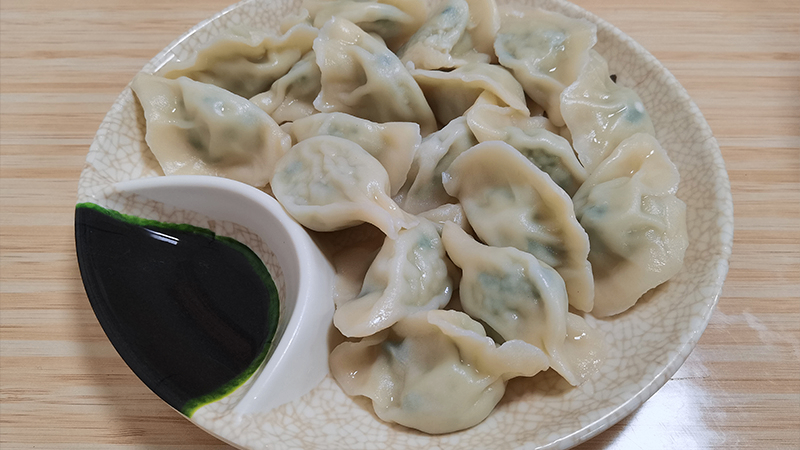
If you’ve ever celebrated Chinese New Year (or even just dived into Chinese food culture), you’ve probably noticed one thing: dumplings are everywhere on the first day of the Lunar New Year. It’s not just a random food choice—this tradition goes way back, and it’s packed with meaning that’ll make you appreciate every bite even more.
First off, let’s talk about the shape. Those crescent-shaped dumplings? They look exactly like the gold ingots that ancient Chinese people used as money. Yeah, you read that right—dumplings = little pockets of wealth. My grandma always says, “The more dumplings you eat on New Year’s Day, the more money you’ll make in the year ahead.” Is it a guarantee? Probably not. But do I load up my plate anyway? You bet I do. Who’s gonna say no to a little extra luck (and a delicious meal)?
But here’s the thing most people miss: dumplings aren’t just about wealth—they’re about reunion. Think about it. When do you make dumplings for New Year? On New Year’s Eve, with your whole family. Everyone pitches in: the kids roll the wrappers (badly, in my case), the adults mix the filling, the grandparents sit and fold dumplings while telling old stories. It’s not about being perfect—it’s about being together. Then, you boil or steam those dumplings, and the first meal of the New Year is shared around the table, laughing and passing plates. That’s the real magic, right? Food that tastes better because it’s made with love and company.
Now, let’s get to the good stuff: the fillings. Oh man, the options are endless, and everyone swears their family’s recipe is the best (and let’s be real, they’re all kinda right). The classic combos are meat-and-veggie mixes—cabbage and pork is my grandma’s go-to, and she swears by adding a splash of sesame oil to make the filling juicy. Corn and pork is a sweeter, more kid-friendly option (my cousin would eat a whole plate of these). And if you’re a seafood fan? Shrimp dumplings are a game-changer—fresh shrimp, a little chopped chives, and a pinch of white pepper, and you’ve got a dumpling that tastes like the ocean in every bite.
But wait, what if you’re vegetarian? No problem at all. Tofu dumplings are a staple in many households—mashed firm tofu mixed with chopped mushrooms, carrots, and a drizzle of soy sauce, they’re savory, hearty, and totally satisfying. I’ve even tried spinach and egg dumplings before—light, fresh, and perfect if you’re trying to balance out all the New Year’s indulgence.
Here’s a quick hack I learned from my aunt: if you want your dumplings to stand out (and maybe win the family dumpling contest), add a tiny bit of finely chopped ginger to the filling. It cuts through the richness of the meat and adds a warm, zesty kick that’ll make everyone ask for your recipe. Trust me, it works every time.
At the end of the day, dumplings on Lunar New Year’s Day aren’t just food. They’re a symbol of wealth, yes—but more than that, they’re a symbol of family, of togetherness, of the little joys that make holidays special. Whether you’re folding dumplings with your grandma, your friends, or even just trying to make them on your own in a tiny apartment, every dumpling you eat is a wish for a happy, prosperous year ahead.
Questions?
-
Email
zhanwenjuan@lingshicha.net
-
WhatsApp