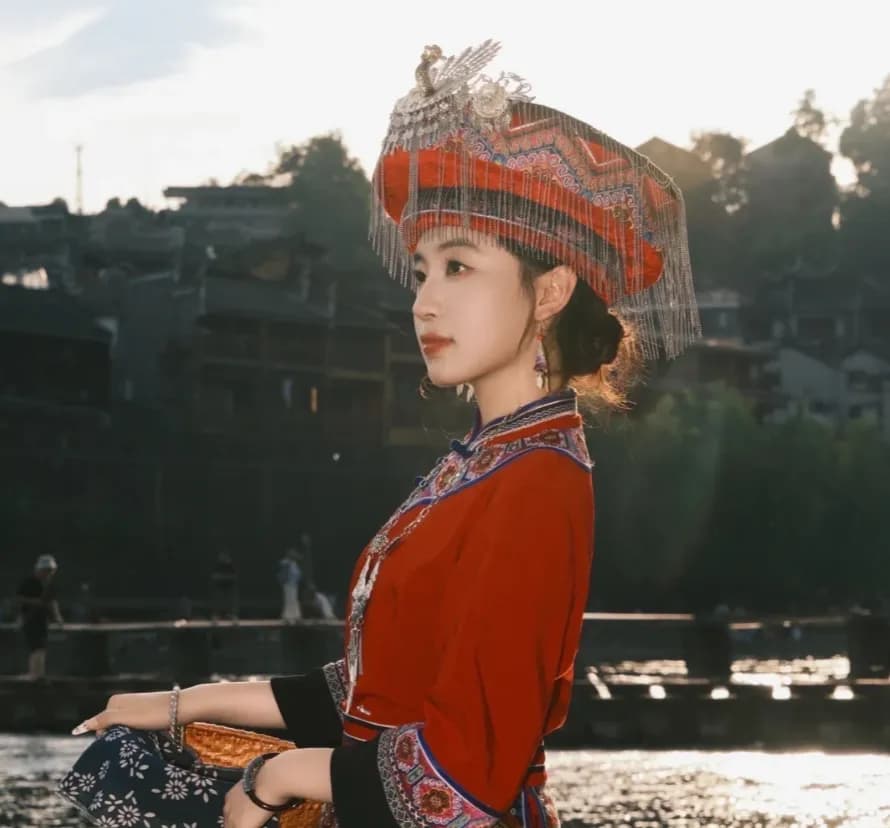
Tujia Culture in Zhangjiajie: Discover the Traditions Behind This Mountain Region
Zhangjiajie is famous around the world for its towering sandstone mountains, misty peaks and spectacular national forest park. But beyond its natural scenery lies another attraction that many internat
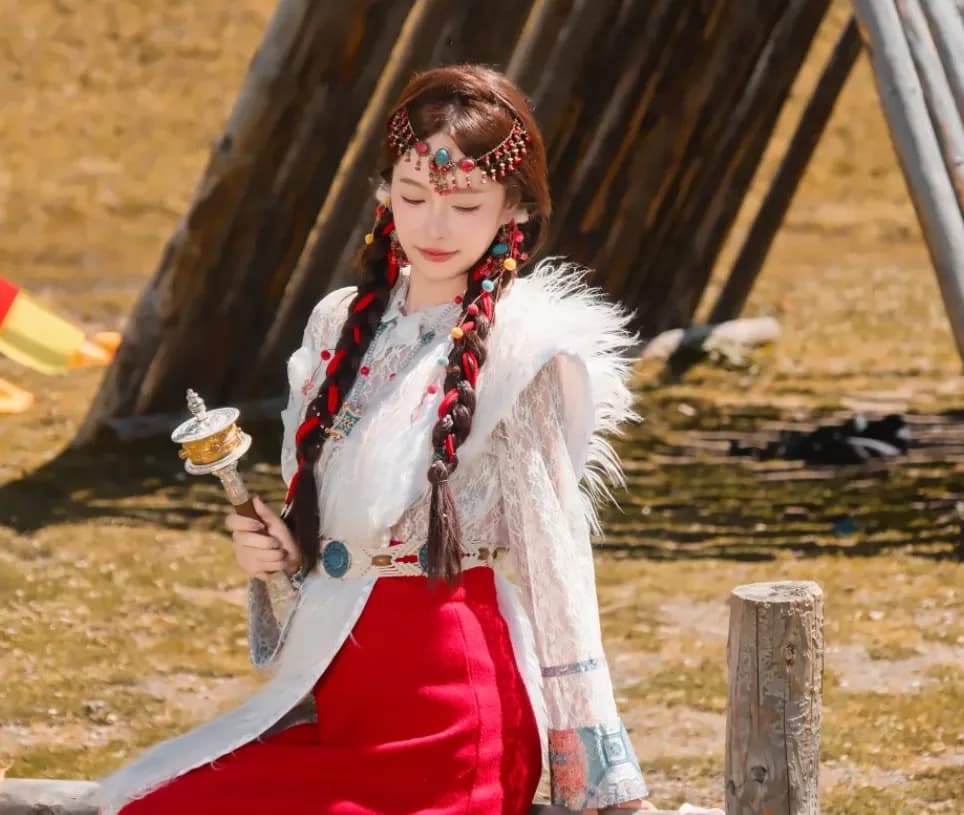
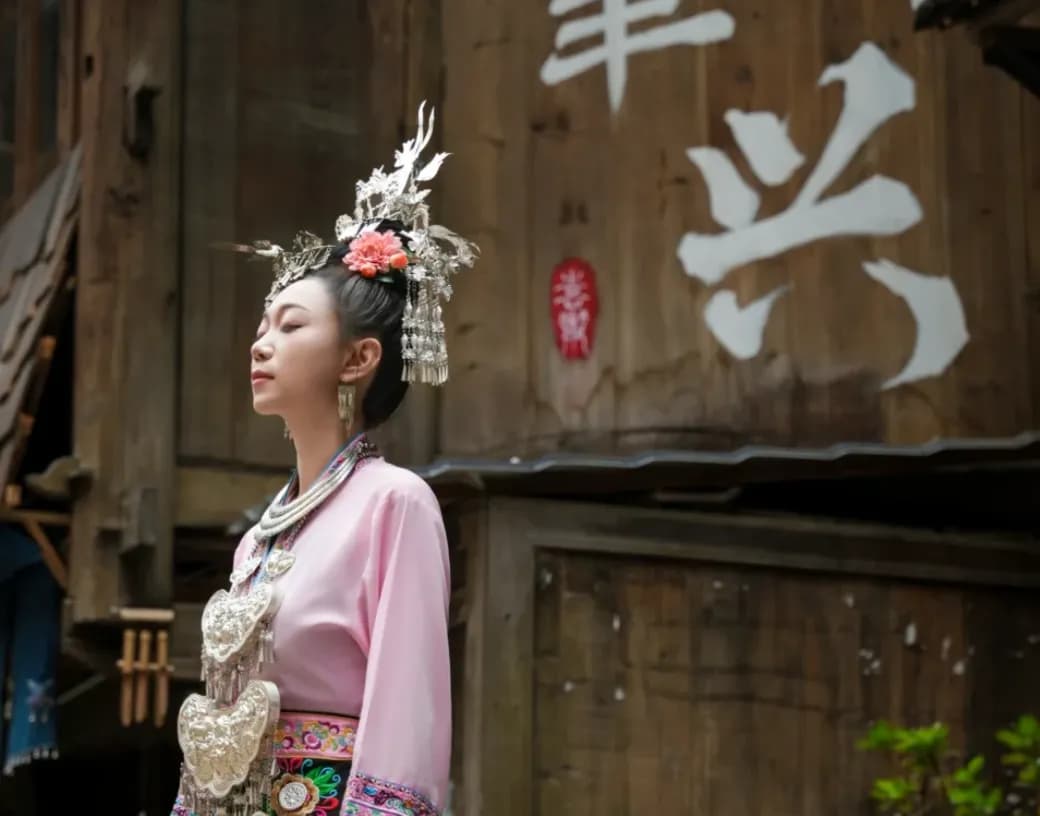
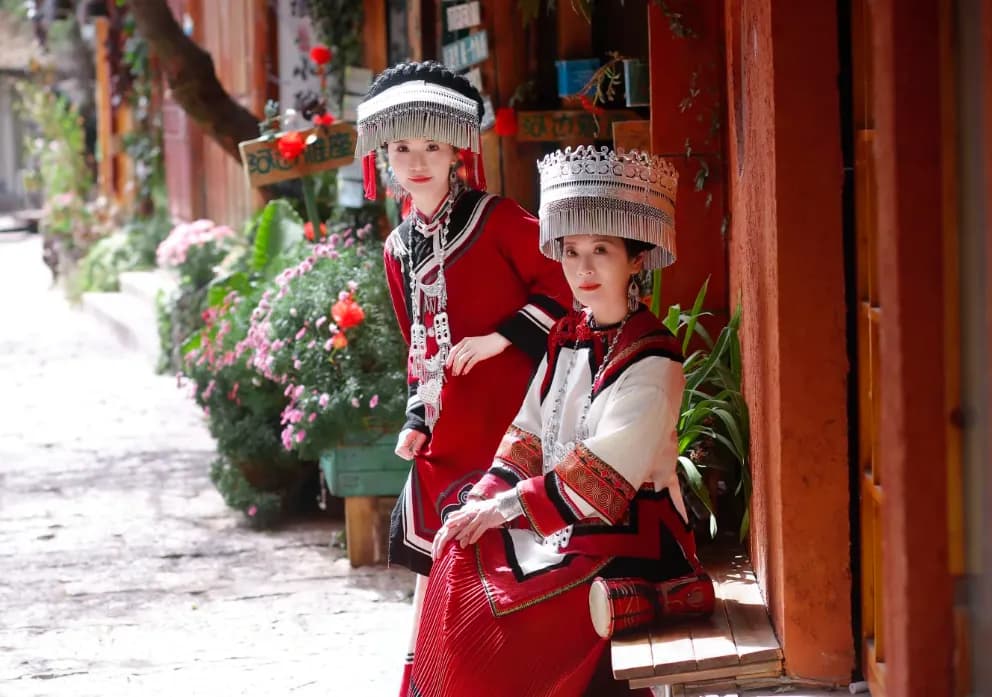
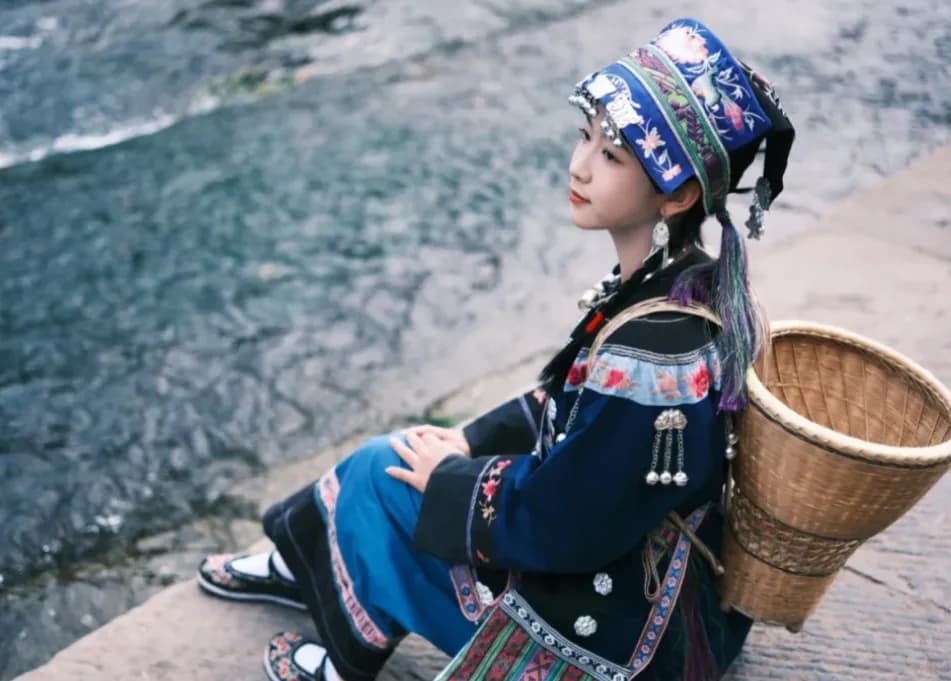
Zhangjiajie is famous around the world for its towering sandstone mountains, misty peaks and spectacular national forest park. But beyond its natural scenery lies another attraction that many international visitors have yet to discover: the culture of the Tujia people. With distinctive architecture, traditional music, colorful clothing and centuries-old customs, Tujia culture adds another dimension to a journey through western Hunan.

Who Are the Tujia People?
The Tujia are one of China's officially recognized ethnic groups. Many Tujia communities live in western Hunan, Hubei, Chongqing and Guizhou. Their traditions have developed through generations of life in mountainous areas, where agriculture, family relationships and local community customs have played important roles.
Traditional Tujia Stilt Houses
One of the most recognizable features of traditional Tujia architecture is the stilt house, known locally as diaojiaolou. Built on sloping terrain, these wooden houses often feature balconies, timber structures and practical designs adapted to the mountain environment.
Baishou Dance and Traditional Music
Baishou dance is an important Tujia folk dance involving coordinated hand movements and group formations. Performers may use movements inspired by everyday activities, agricultural work and traditional stories. It is often presented during festivals and cultural performances.
Where Can You Experience Tujia Culture?
Visitors to Zhangjiajie can explore traditional villages, cultural attractions and local performances in the surrounding region. Some experiences introduce Tujia clothing, folk music, traditional food and handicrafts.
A visit to Zhangjiajie becomes much richer when you take time to understand the people and traditions behind the landscape. The mountains may attract you to the region, but its living culture can make the journey even more memorable.
Related Articles
Swipe to explore