My 10+ Years of Chengdu Travel Tips: The Local’s Guide to Avoiding Tourist Traps & Finding Hidden Gems
Let me tell you straight: Chengdu isn’t a city you “visit”—it’s a city you inhabit. I’ve been coming here on and off for over a decade, and every time I think I’ve seen it all, I stumble on a new alley, a tiny tea house, or a food stall that makes me fall in love all over again. As someone who’s both a travel fanatic and a SEO pro (yep, I’ve written tons of Google top-ranking guides), I’m here to share the real deal—no generic advice, just the stuff I’ve learned the hard way (and the best discoveries that made it worth it). Forget the “10 Must-See Attractions” lists; this is how locals actually spend their days (and nights).
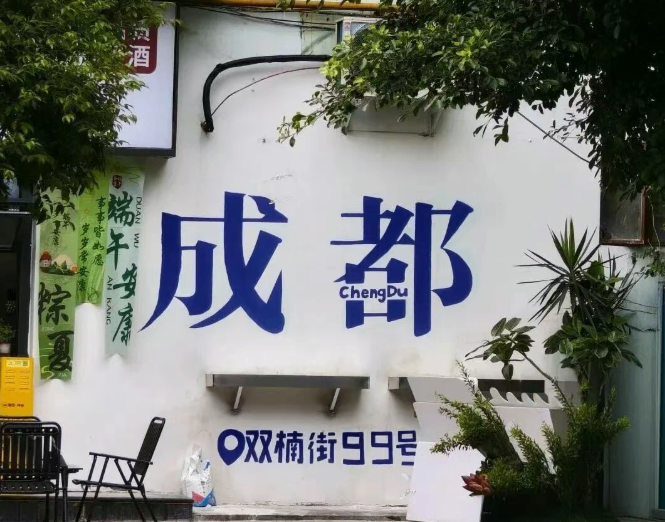
First rule of Chengdu: Stop rushing. This city moves at its own pace—slow, lazy, and full of surprises. I’ve seen too many tourists race from Panda Base to Kuanzhai Alleys to Chunxi Road in one day, only to complain that Chengdu “feels like every other big city.” That’s because they’re doing it wrong! The magic happens when you wander aimlessly, sit in a tea house for three hours, or follow the smell of chili to a hole-in-the-wall restaurant. But if you’re a first-timer and need a little structure, I’ve got you covered with my tried-and-true itinerary—plus all the mistakes to avoid (trust me, I’ve made plenty).
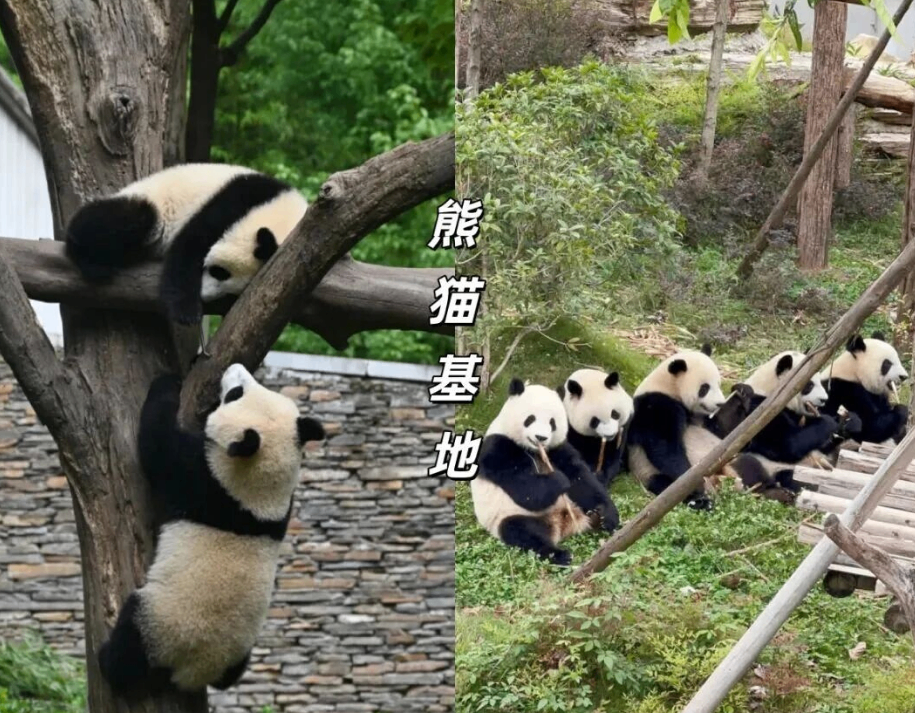
Panda Base: Wake Up Early (Or Regret It)
Let’s start with the star of the show: giant pandas. But here’s the thing—most people visit at the worst time. I once saw a group of tourists waiting in line at 12 PM, sweating through their shirts, only to stare at pandas sleeping in the shade (they look like fluffy rocks, cute but not exactly exciting). Do yourself a favor: set your alarm for 7 AM. Get to the Panda Base by 7:30 AM, so you’re first in line when it opens at 8 AM. This is when pandas are active—munching bamboo so loud you can hear it across the enclosure, rolling around like clumsy teddy bears, and even playing with each other. It’s pure joy, and worth the early wake-up call. Pro tip: Head to the Moon Cub House if you want to see baby pandas, but be warned—they’re only there seasonally (usually spring to summer), so it’s a bit of a lottery. Also, wear comfortable shoes—there’s a lot of walking, and the paths can be hilly!
Kuanzhai Alleys: Skip the Crowds, Find the Tea House
Yes, Kuanzhai Alleys are touristy. I get why people say that—there are plenty of souvenir shops and overpriced snacks. But hear me out: it’s still worth a visit if you know how to do it right. Avoid weekends and midday (11 AM-3 PM is chaos). Instead, go around 3-4 PM when the tour groups have left. Wander the smaller side alleys (not the main drag) and look for a tiny tea house with wooden tables and locals chatting. I always order a cup of Bitan Piaoxue (Jasmine Snowflake Tea)—it’s fragrant, light, and perfect for sipping slowly. You’ll see ear-cleaning masters offering their services (called “ear picking”)—it’s a unique experience, but try it once at most. A friend of mine got hooked and went three times in one trip; let’s just say his ears weren’t happy afterward. The real charm here isn’t the shops—it’s the atmosphere: the sound of mahjong tiles clicking, locals speaking in soft Sichuan dialect, and the smell of osmanthus in the air (if you’re there in autumn). That’s the Chengdu vibe you’re after.
People’s Park: Drink Tea, Watch the World Go By
People’s Park is my happy place. Every time I go, I find something new—last trip, I stumbled on a group of grandpas doing square dancing with choreography that was more impressive than most professional dance teams. The star here is Heming Tea House—you can get a bowl of gailan cha (covered bowl tea) for just 10 yuan, grab a bag of sunflower seeds, and sit for hours. It’s cheaper than any therapy session, and way more entertaining. Watch locals play chess, listen to old men telling stories, or just people-watch—you’ll see everything from couples taking wedding photos to kids chasing pigeons. Don’t miss the marriage market near the south gate—parents post “resumes” for their single kids, and the descriptions are wild (some read like novels!). It’s a fascinating glimpse into local culture, even if you’re not looking for love. Pro tip: Bring a book or just sit and relax—this is the best place to slow down and feel like a local.
Evening in Taikoo Li & Chunxi Road: Beyond the Photo Ops
Chunxi Road is Chengdu’s busiest shopping street, and Taikoo Li is the trendy, upscale neighbor. The IFS climbing panda is a must-take photo (go early evening to avoid the worst crowds), but don’t stop there. Taikoo Li has some amazing hidden spots—like Fangsuo Bookstore, a massive, beautifully designed bookstore where I’ve spent entire afternoons browsing. When you walk out, the red walls of Daci Temple are lit up, and it’s absolutely magical—especially if you’re wearing Hanfu (traditional Chinese clothing). Speaking of Hanfu, renting one to take photos here is super popular, but fair warning: summer is hot, so you’ll sweat through it in 10 minutes. If you’re hungry, skip the chain restaurants and look for small street food stalls—try the spicy cold noodles or stinky tofu (it’s an acquired taste, but worth it). For nightlife, head to Jiuyanqiao—there’s a whole street of bars, from quiet jazz spots to lively clubs. Just remember to drink responsibly—I’ve seen too many tourists getting overly enthusiastic by the Jinjiang River after a few too many beers!
Day Trips: Huanglongxi Ancient Town & Dongjiao Memory
If you have an extra day, get out of the city center. Huanglongxi Ancient Town is a 40-minute drive from Chengdu, and it’s perfect for a weekend escape. It’s a water town with stone streets, ancient bridges, and rivers running through it. Summer is the best time—locals and tourists alike strip off their shoes and splash around in the water (it’s way cooler than air conditioning). Bring a pair of flip-flops—I made the mistake of wearing sneakers once, and spent the whole day with wet feet. Don’t miss the “one-strand noodles” (Yigenmian)—watching the chefs spin and stretch the noodles is almost as fun as eating them (they’re chewy and delicious). For something more laid-back, check out Dongjiao Memory, a former factory turned art district. It’s got industrial vibes mixed with art galleries, cafes, and live music venues. I saw a small indie band perform there once, and the atmosphere was electric—no big crowds, just great music and good vibes. It’s a perfect spot for photos (think graffiti walls, old factory equipment, and colorful murals) and a break from the busy city.
New Gem: Shuangzi Tower Night View
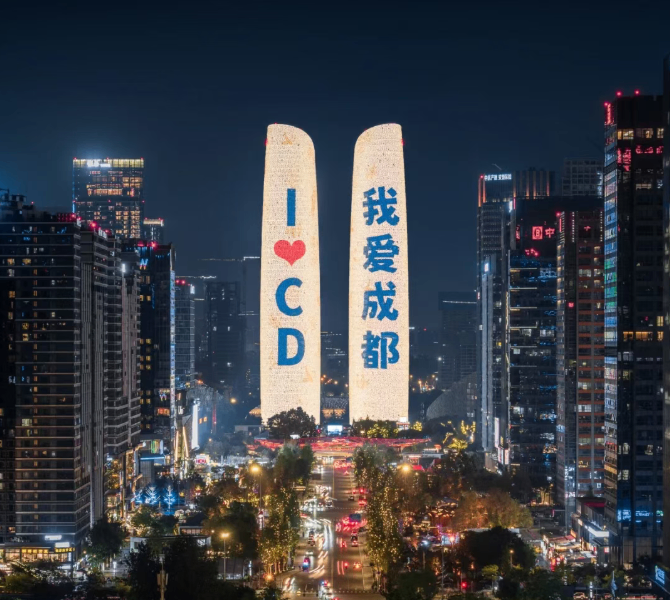
Chengdu’s newest must-see is the Shuangzi Tower light show. The two skyscrapers light up with colorful patterns and animations every night, and it’s truly spectacular. The best viewing spot is the overpass on Jiaozi Avenue, but be prepared—weekends are packed. Go on a weekday evening if you can, or arrive early to grab a spot. Nearby, SKP is a luxury shopping mall if you feel like splurging, but honestly, the real attraction is the view. Bring a tripod if you want to take good photos, and stay for 15-20 minutes—the light show changes constantly. It’s a great way to end a day in Chengdu, and it’s free!
Transport & Accommodation: The Local’s Tips
Let’s talk practical stuff. Airports: Shuangliu Airport (CTU) is closer to the city center (about 30 minutes by metro), so it’s more convenient. Tianfu Airport (TFU) is farther (about an hour by metro), but it has more international flights. For getting around the city, the metro is your best bet—it’s fast, cheap, and covers all the major attractions. Bikes are great for short trips, but be careful—Chengdu’s drivers can be a bit chaotic, and I’ve seen tourists take spills. As for accommodation: Chunxi Road area is the most convenient (close to everything), but it’s pricier. Kuanzhai Alleys are also good, but some areas can be noisy at night. If you prefer quiet, stay near Wuhou Shrine—it’s a bit farther from the core, but it’s peaceful and has a lot of local restaurants. Always read reviews before booking—I once stayed in a homestay that looked nothing like the photos, and it ruined my first night. Look for places with recent, detailed reviews (not just 5-star ratings with no text).
Food: Chengdu’s Greatest Treasure (Don’t Be Scared of Spice!)
Let’s be real—Chengdu is a food lover’s paradise. You could eat here for a month and never repeat a dish. Let’s start with street food: Danhonggao (Egg Cake) is a must—get it fresh off the grill, crispy on the outside and soft on the inside (try the sweet-savory version with pickles and pork). Tianshuimian (Sweet Noodles) are another favorite—thick noodles tossed in a sweet-spicy sauce, served hot (cold noodles just aren’t the same). Sandapao (Three Cannons) are fun to watch—chefs throw glutinous rice balls onto a wooden board, making a “boom” sound, then coat them in soybean powder and syrup. The taste is hit or miss for me, but the show is worth it. For dinner, you can’t go wrong with hot pot or Sichuan cuisine. Kaojiang (Grill Master) has amazing grilled fish—try the spicy Sichuan flavor, but ask for “mild” if you can’t handle too much heat. Houtang Hot Pot is famous for its Sichuan opera face-changing performances while you eat—super entertaining. Zouchuan Hot Pot’s “thousand-layer tripe waterfall” is a must-order—fresh, crispy tripe that cooks in seconds. If you prefer Sichuan dishes over hot pot, Pailou Laoma serves authentic home-style food—their boiled beef is tender and flavorful, with just the right amount of spice. Pro tip: If you’re not good with spice, ask for “la se” (less spicy) or “wu la” (no spicy)—most restaurants will accommodate you. And don’t forget to try liangcha (Herbal Tea)—it’s sweet, refreshing, and helps cool down the spice.
Final Thoughts: Be a Local, Not a Tourist
Here’s my biggest piece of advice: Don’t come to Chengdu as a tourist—try to be a local for a few days. Don’t try to 10 attractions in one day—you’ll be exhausted and miss the point. Instead, pick 2-3 things to do each day, and leave plenty of time to wander. Sit in a tea house, walk along the Jinjiang River, watch grandpas play mahjong, or just chat with locals (many young people speak English, and they’re always happy to recommend hidden spots). Chengdu isn’t about checking boxes—it’s about the feeling. The feeling of sipping tea while listening to birdsong, the joy of biting into a spicy dumpling that makes your taste buds sing, the calm of walking through ancient alleys with no destination. I’ve traveled to over 50 countries, and Chengdu is one of my favorite cities in the world—because it’s real, it’s warm, and it makes you feel at home. So pack your sense of adventure (and maybe some antacids for the spice), slow down, and let Chengdu surprise you. I promise, you’ll leave wanting to come back.
Have you been to Chengdu? What’s your favorite spot? Or are you planning a trip—any questions I can answer? Let me know in the comments!
Questions?
-
Email
zhanwenjuan@lingshicha.net
-
WhatsApp