My Unforgettable Encounter with the "Desert Eye" in Taklamakan – China’s Most Mysterious Sand Sea
Let me tell you something: I’ve traveled to more than 30 countries, chased waterfalls, hiked mountains, and wandered through ancient cities, but nothing prepared me for the raw, otherworldly beauty of Taklamakan Desert’s "Desert Eye." If you’re a traveler who craves unique, off-the-beaten-path experiences that stick with you forever, this hidden gem in Xinjiang, China, needs to jump to the top of your bucket list – trust me on this.
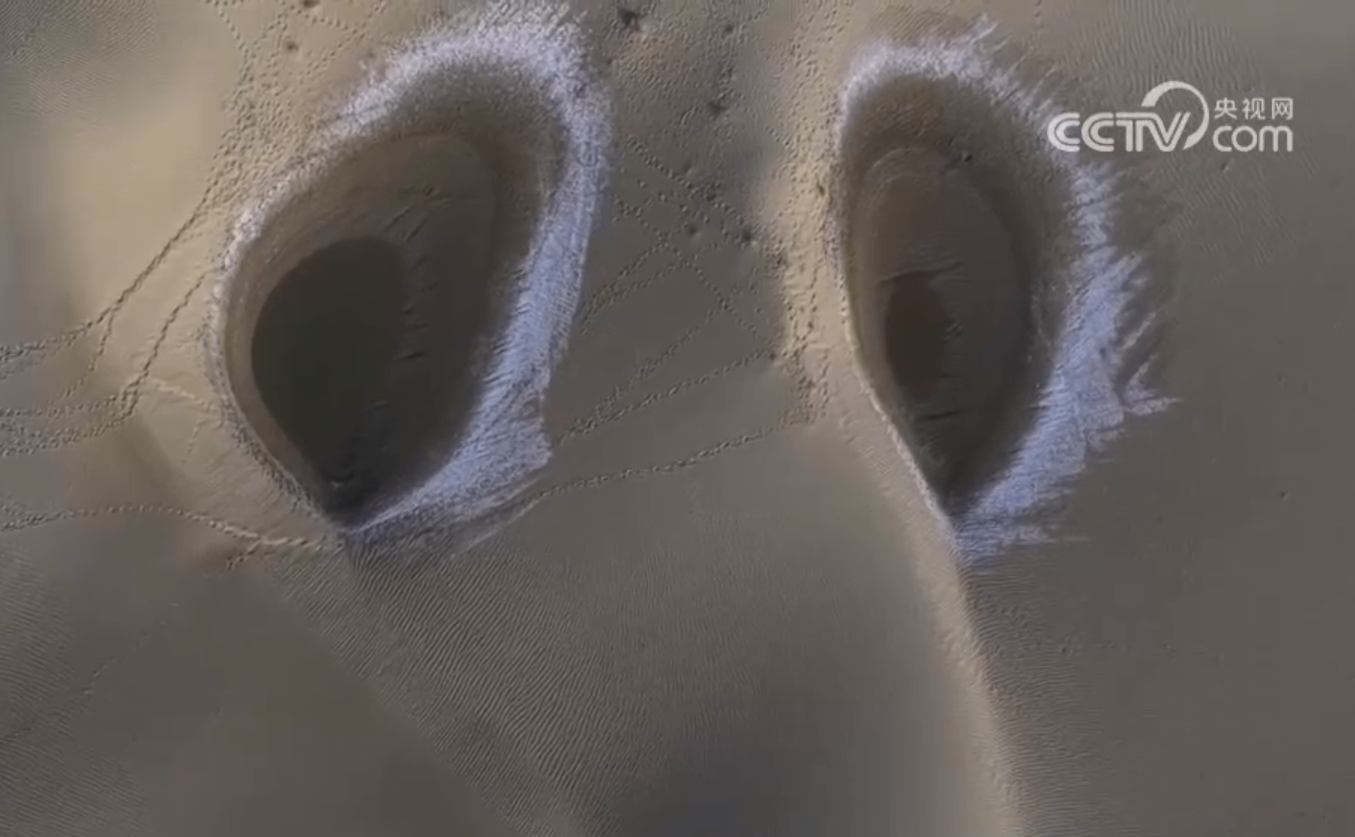
First, let’s set the scene: Taklamakan is China’s largest desert, a vast expanse of golden sand dunes that stretch as far as the eye can see, covering over 337,000 square kilometers. Locals call it the "Sea of Death" (though don’t let that scare you – it’s more like a sea of wonder), and for years, I’d dreamed of exploring its hinterland to see what secrets it held. When I heard about a photographer from Bayingolin Mongol Autonomous Prefecture capturing images of a "desert eye" – a formation of shifting sand and lakes that looks like a giant, staring eye from above – I booked my flight to Xinjiang faster than you can say "adventure."
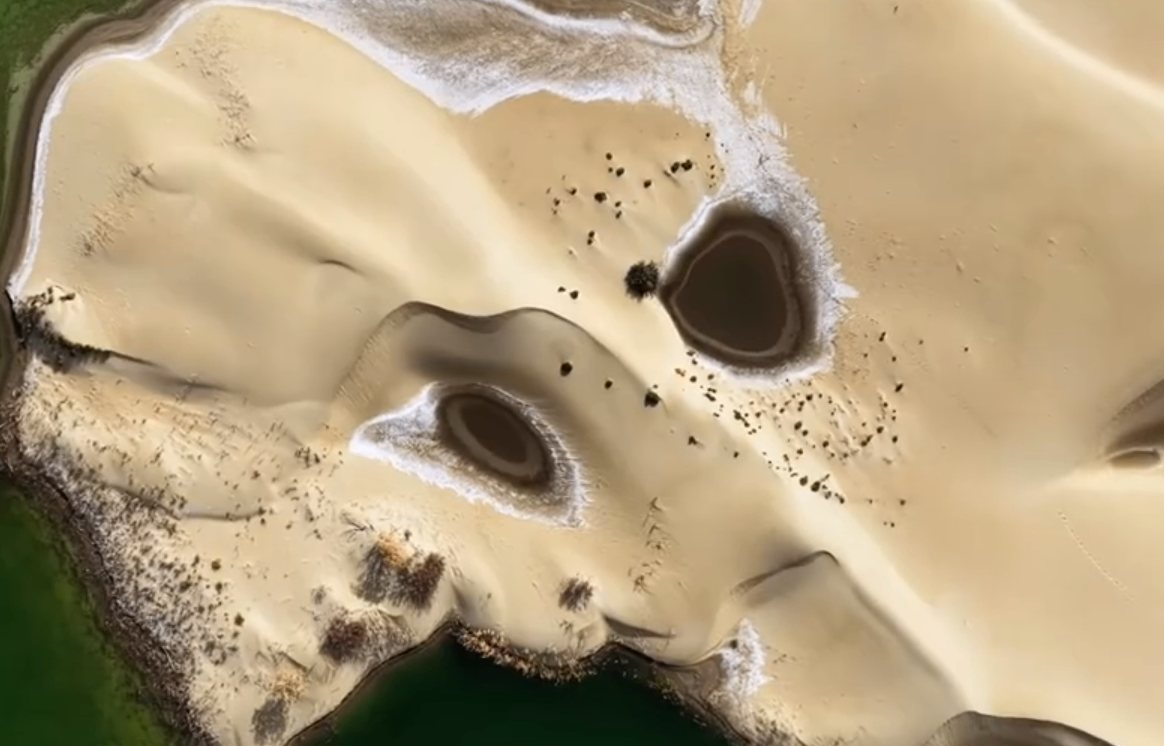
Here’s the thing about the Desert Eye: photos don’t do it justice. I’d seen the viral images online – that perfect blend of curved sand dunes (the "eyelids") and glistening blue lakes (the "pupil and iris") – but standing on a nearby dune at sunrise, watching the light hit the water and turn the sand pink, I felt like I was staring at something out of a fantasy novel. Some (netizens) joked it looks more like an animal’s nostril than an eye, and honestly? I get it – from certain angles, the curved edges and central lake do have a playful, whimsical shape. But when the wind calms and the sand settles, that "eye" locks onto you, and it’s impossible not to feel a sense of awe. It’s like the desert itself is watching, holding onto millions of years of history in one breathtaking glance.
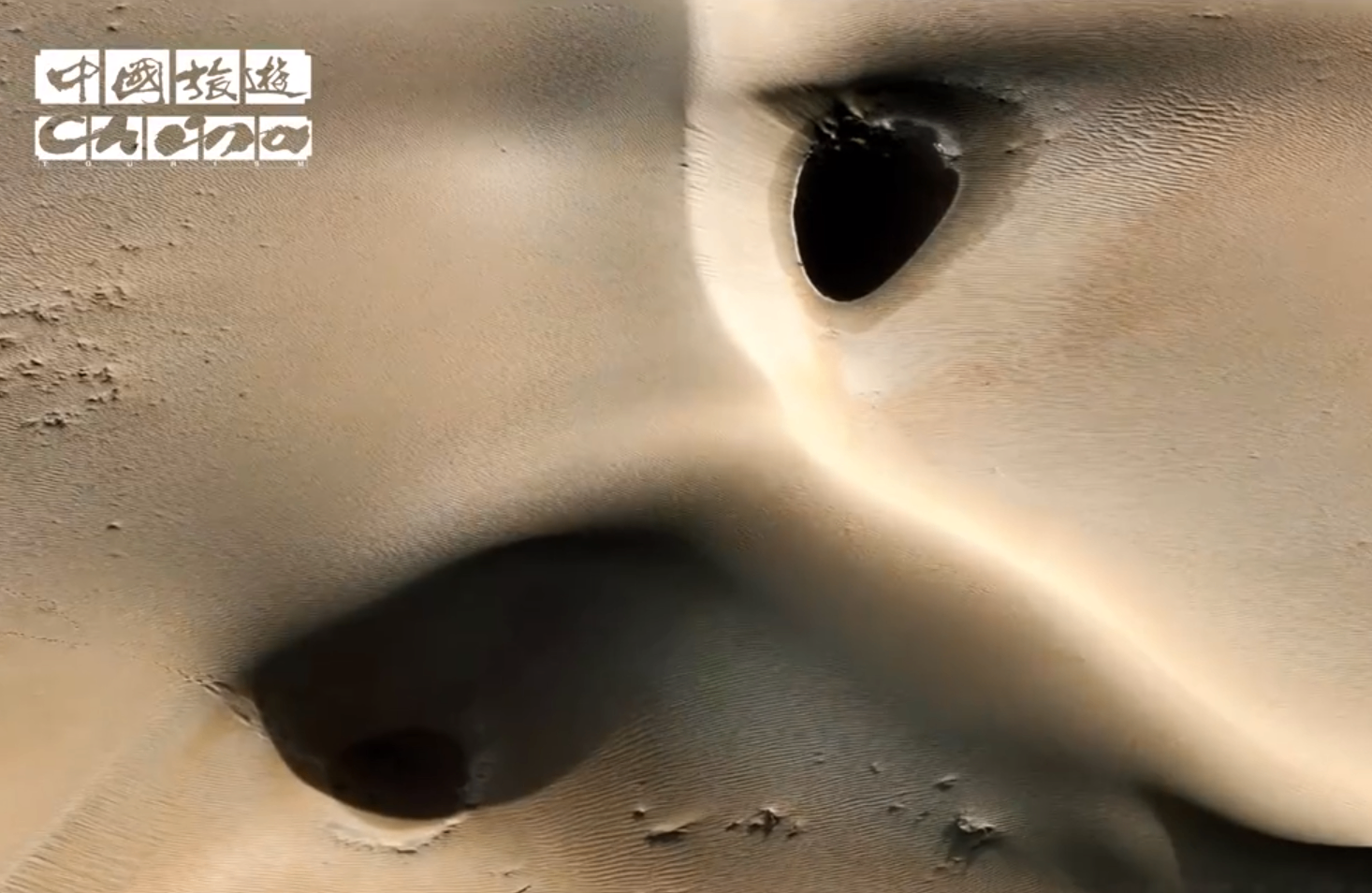
Getting to the Desert Eye isn’t easy – and that’s part of its magic. You can’t just drive up in a regular car; you’ll need a 4x4 and a local guide (seriously, don’t try to navigate the dunes alone – they shift constantly, and GPS can be spotty). My guide, a Uyghur man named Ali who’d spent his whole life in the area, told me stories about how the formation changes with the seasons: in spring, after rare rains, the lakes grow larger and the "eye" looks more vibrant; in autumn, the sand turns a deeper gold, making the blue water pop even more. He also warned me to bring plenty of water, sunscreen, and a hat – the desert sun is intense, but the payoff is worth every drop of sweat.
One of my favorite moments? Sitting on the sand as the sun set, listening to the wind whisper through the dunes and watching the Desert Eye fade into shades of purple and orange. I’d met a few other travelers there – a couple from Germany, a solo hiker from Japan – and we all just sat in silence, taking it in. No phones, no distractions, just pure wonder. That’s the power of places like this: they remind you how small we are, but also how lucky we are to witness such natural beauty.
Now, let’s talk practical stuff (because as much as I love gushing about sunsets, I want you to have a smooth trip!). The best time to visit the Desert Eye is from March to May or September to November – summer is scorching (temperatures can hit 45°C!), and winter is freezing. You’ll need to base yourself in a nearby city like Korla or Kashgar, then arrange a day trip or multi-day desert tour. Most tours include transportation, a guide, and camping gear if you want to stay overnight (pro tip: camping under the desert stars is life-changing – the sky is so clear, you can see the Milky Way like a river of light).
Also, don’t forget to respect the desert. Take only photos, leave only footprints – the ecosystem here is fragile, and we need to protect this natural wonder for future generations. Ali told me that when he was a kid, the Desert Eye was known only to locals, but now, thanks to social media, more people are discovering it. It’s amazing to see this hidden gem get the attention it deserves, but let’s make sure we visit responsibly.
I’ve thought a lot about why the Desert Eye stuck with me so much. Maybe it’s because it’s a reminder that nature is full of surprises – that in the middle of a desert, where you’d expect nothing but sand, there’s a formation that looks like it was sculpted by a higher power. Or maybe it’s because it’s a place that makes you slow down, disconnect, and just be present. In a world that’s always rushing, that’s a rare gift.
So, if you’re planning a trip to China and want to go beyond the usual tourist spots (Beijing, Shanghai, Xi’an – though those are amazing too!), add Xinjiang and the Taklamakan Desert to your itinerary. The Desert Eye isn’t just a photo opportunity; it’s an experience that will stay with you long after you’ve left. Have you ever visited a place that made you feel like you were in a dream? Let me know in the comments – I love hearing about other travelers’ hidden gems!
And one last thing: don’t let the "remote" label scare you. Yes, it’s a bit of a journey, but that’s what makes it special. The best adventures are the ones that require a little effort, right? Trust me, when you’re standing there, staring at that giant "eye" in the desert, you’ll be glad you made the trip.
Questions?
-
Email
zhanwenjuan@lingshicha.net
-
WhatsApp