Why Spring Is The Best Time to Visit China (2026 Insider’s Guide)
Hey there, fellow wanderluster! Let me tell you something I’ve learned after years of chasing spring across different countries: China in spring hits different. Like, the kind of different that makes you stop mid-step, pull out your camera, and go, “Wait, this is real life?”
I’m not just spouting hype here—I’ve wandered Beijing’s hutongs when the willows first unfurl their green shoots, sipped Longjing tea fresh from the harvest in Hangzhou, and gotten soaked (in the best way) at Yunnan’s Water Splash Festival. Trust me, March to May in China isn’t just a “nice time to visit”—it’s a vibe you don’t want to miss. Let’s break it down, shall we?
First Things First: The Weather (Yes, It Matters)
Spring in China checks that sweet spot between “chilly enough for a light jacket” and “warm enough to ditch the layers by noon.” Average temps hover around 10–23 °C (50–73 °F)—perfect for walking, hiking, or just meandering without sweating through your shirt.
But here’s the thing you won’t find in every guide: China’s spring weather isn’t one-size-fits-all. The south (think Guangzhou, Xishuangbanna) gets a bit humid thanks to occasional rain showers—nothing too heavy, just enough to make the air smell like fresh soil and blooming flowers. The north (Beijing, Xi’an) stays dry and crisp, with blue skies that make historical sites pop. And post-rain? Oh man, the air is so fresh you’ll want to bottle it up and take it home.
Pro tip I wish someone told me: Pack a foldable rain jacket. Those south China showers are quick, but they’ll catch you off guard if you’re not ready.
The Best Cities to Explore in China’s Spring
Let’s cut to the good stuff—where should you actually go? I’ve rounded up my top picks, based on real trips, not just generic tourist lists.
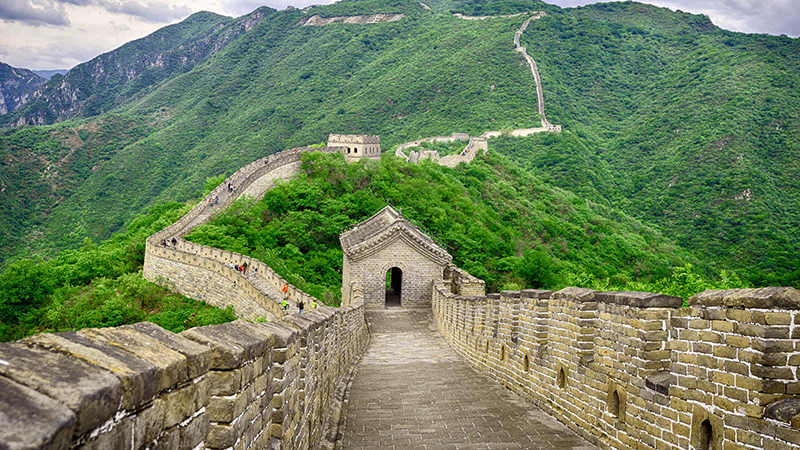
Beijing: Ancient Alleys + Green Great Walls Beijing in spring is my happy place. Forget the summer crowds or winter cold—this is when the city softens. I love wandering the hutongs (those tiny, winding ancient alleys) when the pear blossoms are in bloom. You’ll see locals sitting outside their courtyard homes, sipping tea, and chatting—no rush, just good vibes. And the Great Wall? Oh wow. Hiking sections like Mutianyu or Jinshanling in spring means you’re surrounded by fresh greenery, not just brown hills. The mild temps mean you can hike for hours without tiring, and the clear skies give you stunning views of the wall snaking across the mountains. Pro move: Go early to beat the tour groups—trust me, the peace is worth the early wake-up call.
Xi’an: Bikes, Warriors, and City Wall Sunsets Xi’an is all about history, but spring makes it feel alive. Rent a bike and cycle the ancient city wall—it’s 13.7 km long, but the spring breeze makes every kilometer a joy. Stop at a tower along the way, sit on the wall, and watch locals fly kites below. It’s pure magic. Then, head to the Terracotta Warriors. The weather is cool enough that you won’t be sweating through the museum, and the crowds are way thinner than in summer. Bonus: Afterward, grab a bowl of Xi’an’s famous biangbiang noodles—you’ll thank me later.
Shanghai: Cherry Blossoms + Water Town Day Trips Shanghai might be a concrete jungle, but spring turns it pink. Head to Gucun Forest Park for cherry blossoms and magnolias—you’ll feel like you stepped into a Japanese anime, but with Shanghai’s skyline peeking through the trees. And don’t skip a day trip to Zhujiajiao—a water town just an hour from the city. Spring means the canals are lined with blooming wisteria, and you can take a wooden boat ride while the boatman sings traditional folk songs. It’s the perfect escape from the city’s hustle.
Hangzhou & Huangshan: Poetic Views + Tea Harvests If you want scenery that looks like a painting, Hangzhou is your spot. West Lake in spring is straight out of a Chinese poem—willow trees drape over the water, and lotus buds start to peek through the surface. Rent a paddleboat and drift across the lake—you’ll forget all your worries. And then there’s Longjing Village, just outside Hangzhou. Spring is tea harvest season—you’ll see farmers picking the tiny, tender tea leaves that make Longjing tea famous. Stop at a local tea house, sit in the tea fields, and sip freshly brewed tea. It’s one of the most relaxing things I’ve ever done. For the adventure seekers? Take a train to Huangshan (Yellow Mountain). Spring here means misty peaks, blooming azaleas, and sunrises that will make you cry (happy tears, I promise). And nearby, the ancient villages of Hongcun and Xidi are framed by green hills and blooming rapeseed flowers—photography heaven.
Can’t-Miss Spring Festivals (The Fun Stuff!)
Let’s be real—travel is about experiences, not just sights. China’s spring festivals are some of the most fun you’ll ever have. Here are my two favorites:
Water Splash Festival (Xishuangbanna, Yunnan) Mid-April in Yunnan means one thing: Water Splash Festival—the biggest festival for the Dai ethnic minority. The idea is simple: Pour water on people to wash away their bad luck. But it’s so much more than that. Locals dress in colorful traditional clothes, dance to drumbeats, and everyone—tourists included—is fair game. I went last year, and I left soaked to the bone, but I was smiling for days. Pro tip: Bring a waterproof bag for your phone, and don’t wear anything you don’t want to get wet (obviously).
Luoyang Peony Festival (Henan) If you love flowers, the Luoyang Peony Festival (April–May) is a must. Peonies are called the “king of flowers” in China, and Luoyang is famous for them. Imagine thousands of peonies in every color—red, pink, white, even yellow—blooming in parks and gardens across the city. But it’s not just about flowers—there are traditional music performances, calligraphy exhibitions, and even peony-themed food (yes, peony ice cream is a thing). It’s a celebration of spring, and it’s so vibrant.
Questions?
-
Email
zhanwenjuan@lingshicha.net
-
WhatsApp