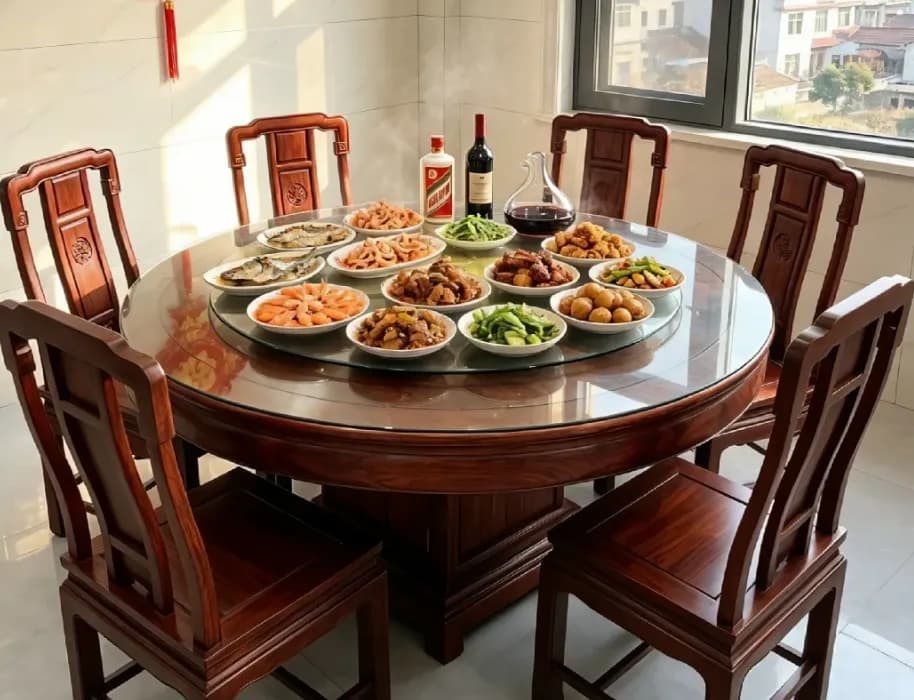
Chinese Dining Etiquette: 10 Things Foreign Visitors Should Know Before Eating in China
Sharing a meal is one of the easiest ways to connect with people in China. However, traditional Chinese dining has its own customs, especially when several people sit around a large table. Understandi
Sharing a meal is one of the easiest ways to connect with people in China. However, traditional Chinese dining has its own customs, especially when several people sit around a large table. Understanding a few basic rules can make your restaurant experience more comfortable and help you avoid small cultural misunderstandings.

1. Wait for the Host to Begin
At a formal meal or family gathering, it is polite to wait for the host or the older members of the group to begin eating before everyone starts.
2. Share the Dishes
Many Chinese meals are served family-style. Several dishes are placed in the middle of the table, and everyone takes portions from the shared plates.
3. Use Serving Chopsticks When Available
Some restaurants provide separate serving chopsticks or spoons. Using them helps keep shared food clean and makes dining more considerate.
4. Never Leave Chopsticks Standing Upright in Rice
Standing chopsticks upright in a bowl of rice resembles incense offerings used in memorial rituals. It is generally considered inappropriate at the dining table.
5. Do Not Point Chopsticks at People
Chopsticks are eating tools, so avoid using them to gesture toward other diners.
6. Be Careful When Pouring Tea
At a shared table, it is thoughtful to refill other people's tea cups when appropriate. Some diners lightly tap the table with their fingers as a quiet expression of thanks.
7. Try a Little of the Shared Food
If you are comfortable with the ingredients, tasting different dishes is a friendly way to participate in the meal.
8. Do Not Worry About Using Chopsticks Perfectly
Most restaurant staff are accustomed to international visitors. You can ask for a spoon or fork if needed.
9. Understand That Meals Can Be Social Events
Chinese meals may involve conversation, toasts and several rounds of dishes. There is no need to rush.
10. Ask About Ingredients
If you have food allergies, dietary restrictions or religious requirements, explain them clearly before ordering. Do not assume a dish is vegetarian simply because it contains vegetables.
Good dining etiquette is ultimately about respect, consideration and enjoying a meal together.