Chinese Gift-Giving Customs: What to Give and What to Avoid in China
Giving a gift is a common way to express appreciation, celebrate an important occasion or strengthen a personal relationship in China. However, some gifts carry symbolic meanings that international vi
Giving a gift is a common way to express appreciation, celebrate an important occasion or strengthen a personal relationship in China. However, some gifts carry symbolic meanings that international visitors may not immediately understand. Knowing a few traditional customs can help you choose something thoughtful and appropriate.

Popular Gifts in Chinese Culture
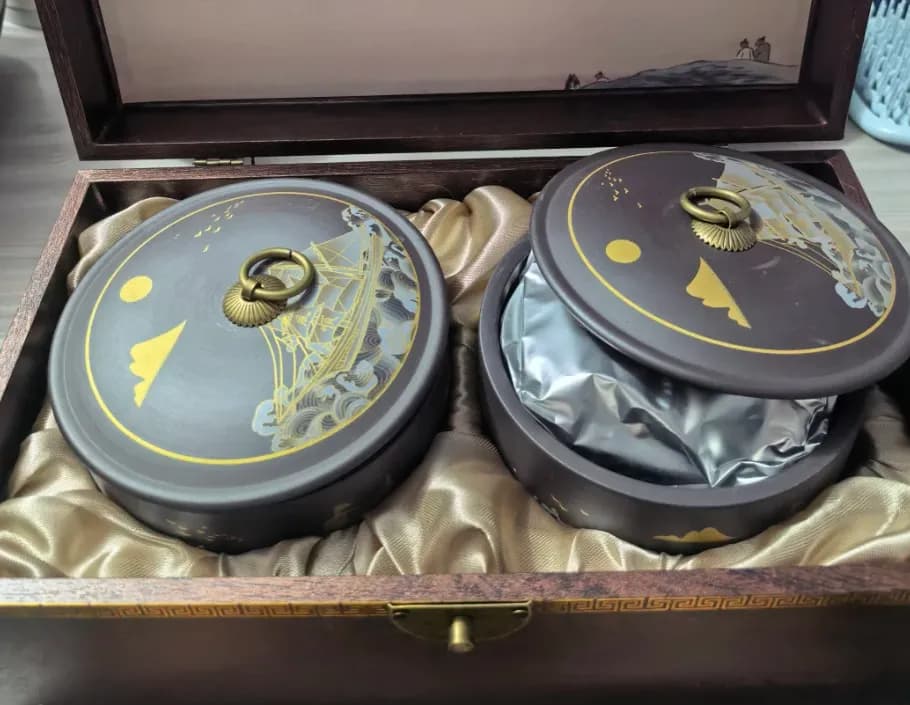
Tea, quality food products, local specialties and carefully selected souvenirs are often suitable gifts. Gifts from your home country can also be appreciated because they feel personal and distinctive.
Why Are Certain Numbers Important?
Numbers can have symbolic associations in Chinese culture. Eight is often considered lucky because its pronunciation resembles a word associated with prosperity. Four is sometimes avoided because it sounds similar to the word for death in Mandarin.
Gifts That May Be Considered Inappropriate
Traditional gift-giving etiquette often advises against clocks, which can carry an association with death-related expressions. Pears may also be avoided when given to someone close because the word for pear sounds like the word for separation. These associations are not universal rules, and modern attitudes vary.
How Should You Present a Gift?
In formal or traditional settings, presenting a gift with both hands is a polite gesture. Some people may initially decline a gift out of courtesy before accepting it. Do not assume that every family follows the same practice.
Should You Open a Gift Immediately?
Gift-opening habits vary. In some situations, recipients prefer to open a gift later rather than in front of the giver. Follow the host's lead.
The most important rule is to choose a gift with care and present it sincerely. Thoughtfulness matters much more than price.
Related Articles
Swipe to explore