Chinese Embroidery: The Delicate Art That Takes Years to Master
A traditional Chinese embroidered artwork can contain thousands of tiny stitches, creating flowers, birds, landscapes and even lifelike portraits. From a distance, the finished work may look like a pa
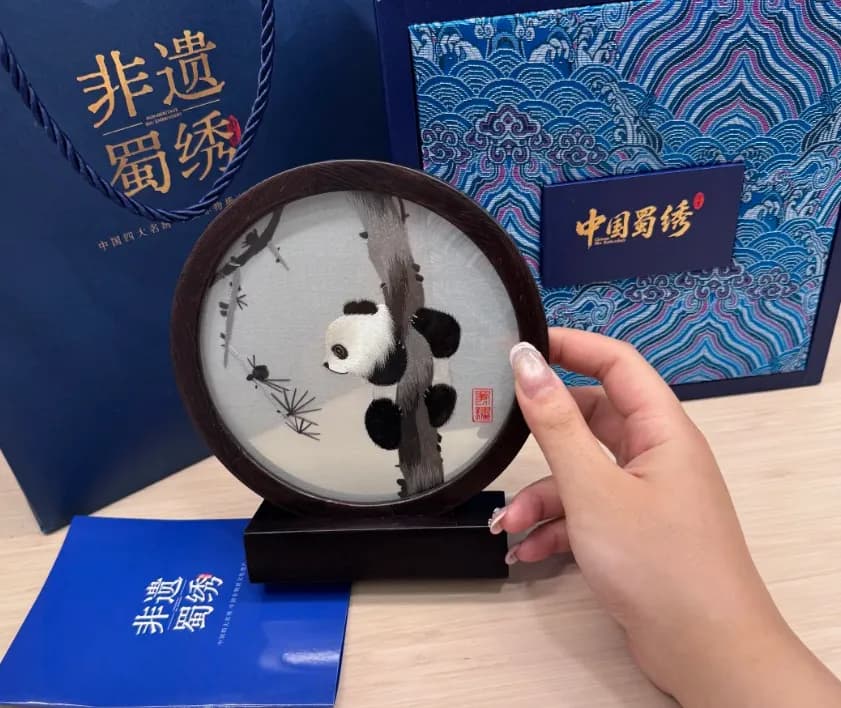
A traditional Chinese embroidered artwork can contain thousands of tiny stitches, creating flowers, birds, landscapes and even lifelike portraits. From a distance, the finished work may look like a painting. Only when you move closer can you see the remarkable skill behind every thread. Chinese embroidery is one of the country's most beautiful traditional crafts.

Four Famous Embroidery Traditions
Four major regional traditions are often highlighted: Suzhou embroidery, Hunan embroidery, Guangdong embroidery and Sichuan embroidery. Each has developed distinctive techniques, color preferences and artistic styles. Suzhou embroidery is particularly admired for its delicate stitching, while Hunan embroidery is famous for expressive images and textured effects.
Why Does It Take So Much Skill?
Embroidery requires careful control of needle direction, thread tension, color and composition. Some techniques use very fine silk threads to create subtle transitions between shades. A single detailed piece may take a long time to complete.
Where Can You See Traditional Embroidery?
Suzhou is an especially interesting destination for visitors who want to learn about Chinese embroidery. Museums, craft studios and cultural workshops may offer demonstrations. Other regional museums also showcase local embroidery traditions.
Can You Try It Yourself?
Some cultural workshops provide beginner-friendly embroidery activities. Even learning a few basic stitches can help visitors appreciate the patience and precision required by experienced artisans.
Chinese embroidery is not just decoration. It is a visual language built from color, texture and centuries of accumulated craftsmanship.
Related Articles
Swipe to explore