Chinese Ink Painting: How Artists Create Mountains with Just a Few Brushstrokes
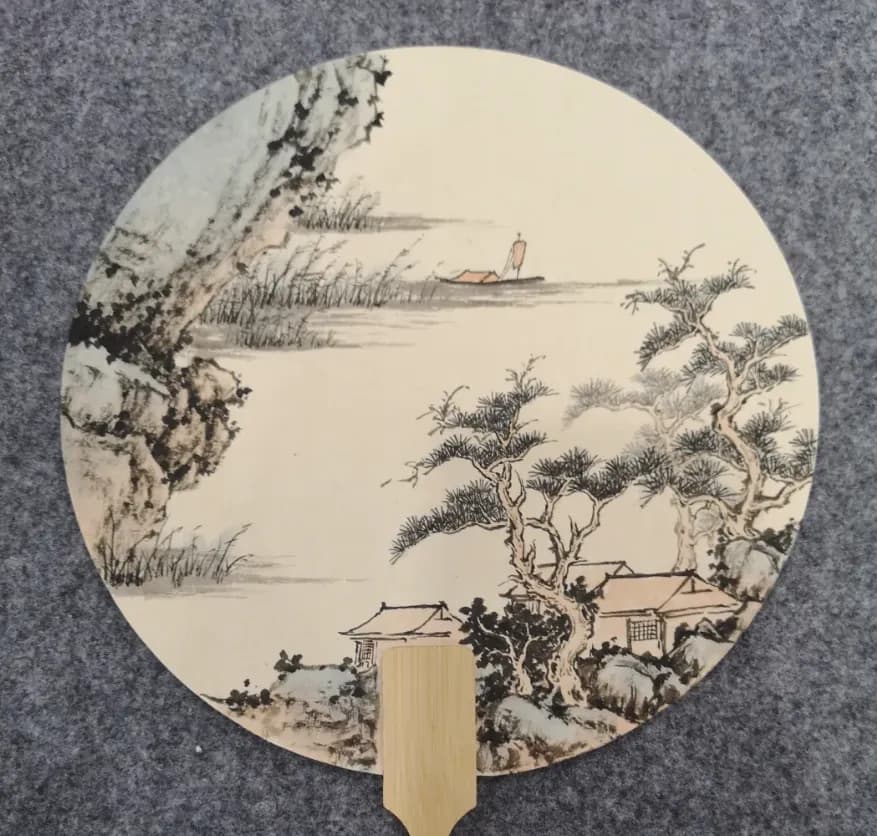
A Chinese landscape painting may contain only a few black brushstrokes, a pale wash of ink and a large area of empty paper. Yet it can suggest towering mountains, flowing rivers and distant clouds. Th
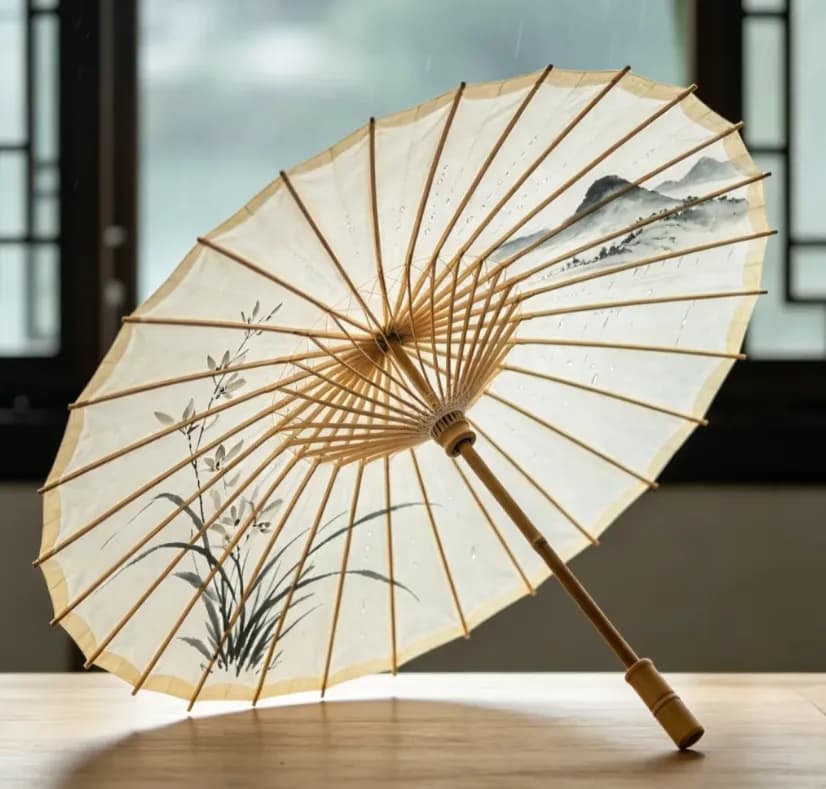
A Chinese landscape painting may contain only a few black brushstrokes, a pale wash of ink and a large area of empty paper. Yet it can suggest towering mountains, flowing rivers and distant clouds. This is the beauty of traditional Chinese ink painting, an art form that values simplicity, balance and the relationship between humans and nature.

Why Is Empty Space Important?
In traditional Chinese painting, empty space is not necessarily unfinished. It can represent mist, water, sky or a sense of distance. By leaving parts of the paper untouched, artists allow viewers to imagine the rest of the landscape.
The Relationship Between Painting and Calligraphy
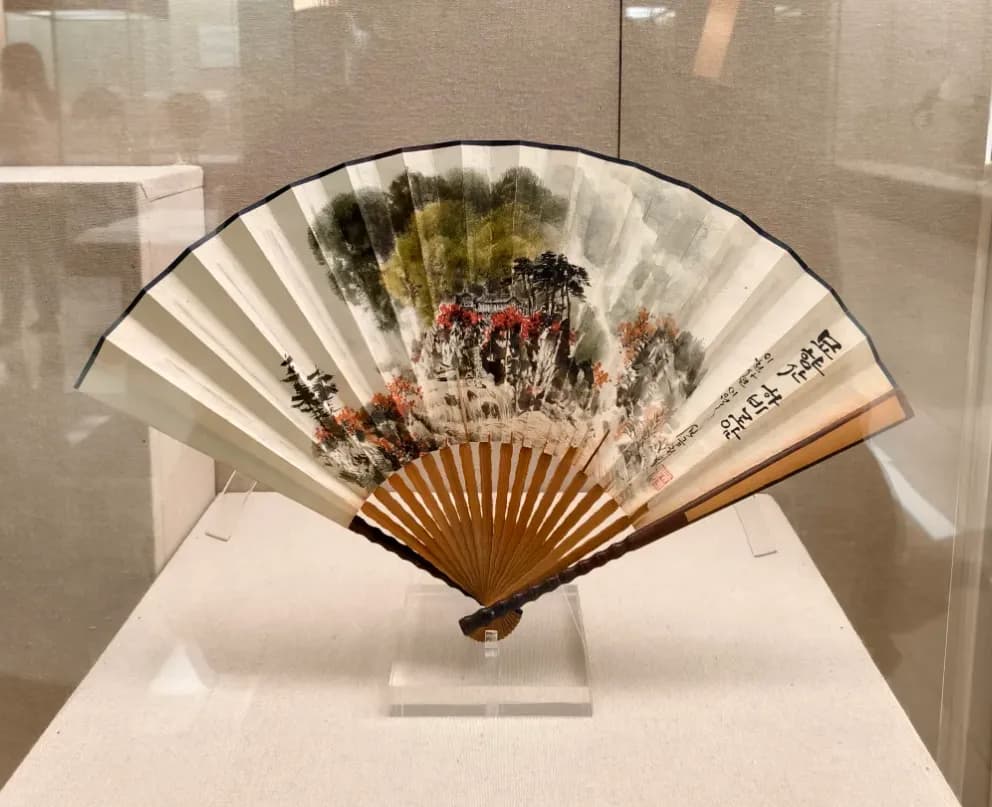
Chinese ink painting and calligraphy share many tools and techniques. Both depend on brush control, ink quality, rhythm and the character of each stroke. Many traditional artists practice calligraphy as part of their artistic training.
What Do Chinese Landscape Paintings Represent?
Mountains and rivers are common subjects because they reflect the traditional appreciation of nature. A painting may not aim to reproduce an exact location. Instead, it can express the artist's feelings, imagination and interpretation of the natural world.
Where Can You Experience Chinese Ink Painting?
Major museums and art galleries in Beijing, Shanghai and Hangzhou regularly display traditional Chinese paintings. Cultural workshops may also introduce visitors to basic brush techniques.
Trying a few brushstrokes yourself can be a memorable experience, even if you have never painted before. The goal is not perfection, but learning to appreciate the balance and movement of the brush.
Related Articles
Swipe to explore