Blue and White Porcelain: Why Chinese Ceramics Became Famous Worldwide
Few objects represent traditional Chinese craftsmanship as clearly as blue and white porcelain. Its clean white surface and elegant blue decoration have appeared in palaces, museums and private collec
Few objects represent traditional Chinese craftsmanship as clearly as blue and white porcelain. Its clean white surface and elegant blue decoration have appeared in palaces, museums and private collections across the world. The familiar combination of colors may look simple, but producing a beautiful piece requires considerable technical knowledge.

How Is Blue and White Porcelain Made?
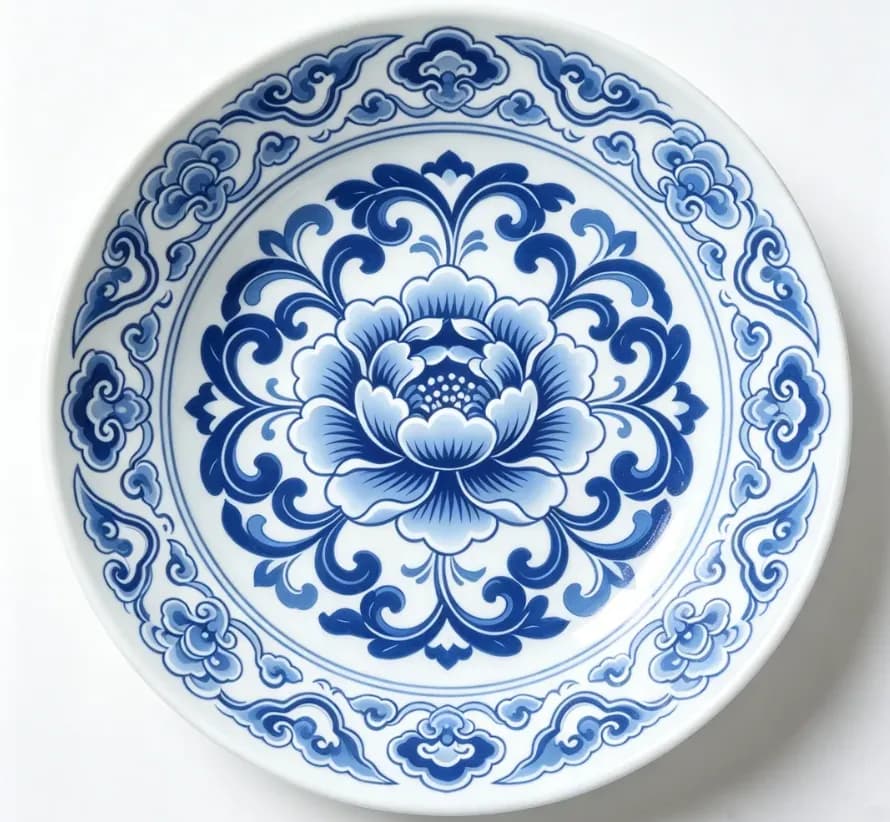
Traditional blue and white porcelain is decorated with cobalt-based pigment before a transparent glaze is applied. The piece is then fired at a high temperature in a kiln. The blue designs become part of the finished glazed surface, creating a smooth and durable appearance.
Why Is Jingdezhen So Famous?
Jingdezhen in Jiangxi Province is widely regarded as one of China's most important porcelain centers. Its ceramic history stretches back many centuries, and the city developed a reputation for producing high-quality porcelain for domestic use and international trade.
What Do Traditional Designs Represent?
Common decorative themes include flowers, dragons, birds, landscapes and traditional Chinese stories. Some patterns express wishes for prosperity, longevity or good fortune. Their meanings can vary according to the design and historical period.
Visit a Porcelain Workshop
In Jingdezhen, visitors can explore ceramic museums, traditional kilns, art studios and markets. Some workshops allow travelers to try shaping clay, painting ceramic surfaces or learning about firing techniques.
For anyone interested in design and traditional craftsmanship, Jingdezhen offers an opportunity to see how an ancient art continues to evolve in modern China.
Related Articles
Swipe to explore