Peking Opera Explained: Costumes, Face Paint and the Secrets Behind the Performance
For many international visitors, Peking Opera is one of the most fascinating sights in traditional Chinese culture. The colorful costumes, elaborate face painting, distinctive singing and dramatic mov
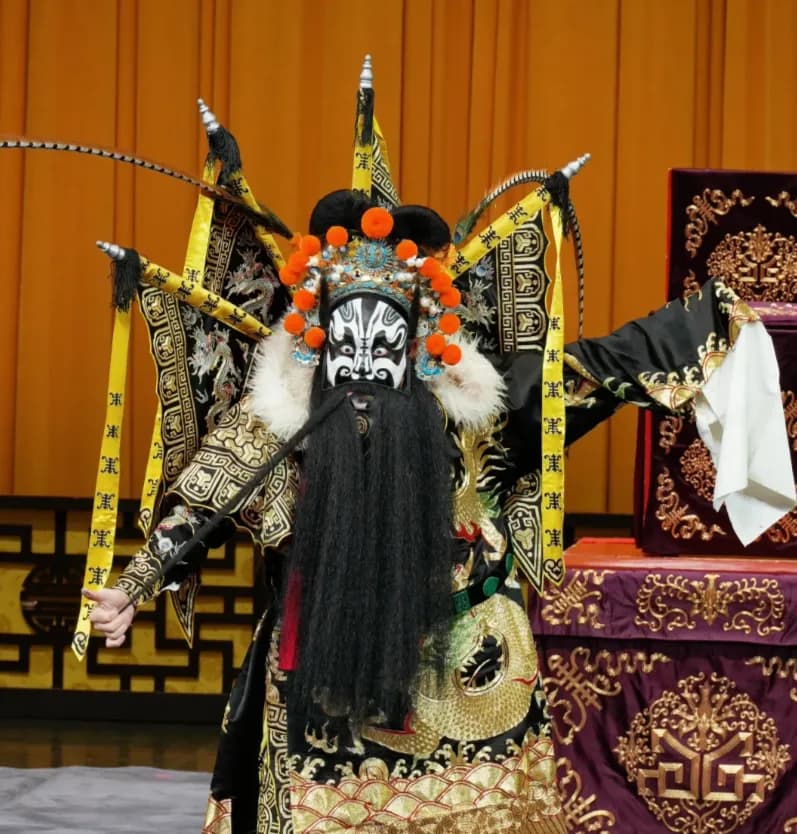
For many international visitors, Peking Opera is one of the most fascinating sights in traditional Chinese culture. The colorful costumes, elaborate face painting, distinctive singing and dramatic movements can look completely different from Western theatre. Yet every detail has a purpose, and learning a little about the art makes a performance much easier to appreciate.

What Do the Painted Faces Mean?
One of the most recognizable features of Peking Opera is its facial makeup, known as facial painting. Different colors and patterns can communicate aspects of a character's personality and role. Red is commonly associated with loyalty and courage, while white is often used for cunning or deceptive characters. The meanings depend on the specific character and performance tradition.
Why Are the Movements So Special?
Peking Opera combines singing, dialogue, dance, acrobatics and stylized gestures. A performer may represent riding a horse without using a real animal, or suggest opening a door through carefully choreographed movements. The audience is expected to understand these theatrical symbols.
Where Can You Watch Peking Opera?
Beijing is the most natural destination for visitors interested in this art form. Traditional theatres and cultural venues sometimes offer performances designed for international audiences. Some shows also provide introductions to the characters and stories before the performance begins.
Watching Peking Opera is not just an evening of entertainment. It is an opportunity to experience a theatrical tradition that has developed its own language of music, movement and symbolism.