Chinese Dragon Dance: Why This Ancient Performance Is Still So Popular
During major Chinese celebrations, one of the most exciting sights is often a long, colorful dragon moving through the streets. Carried by a team of performers using poles, the dragon twists, rises an
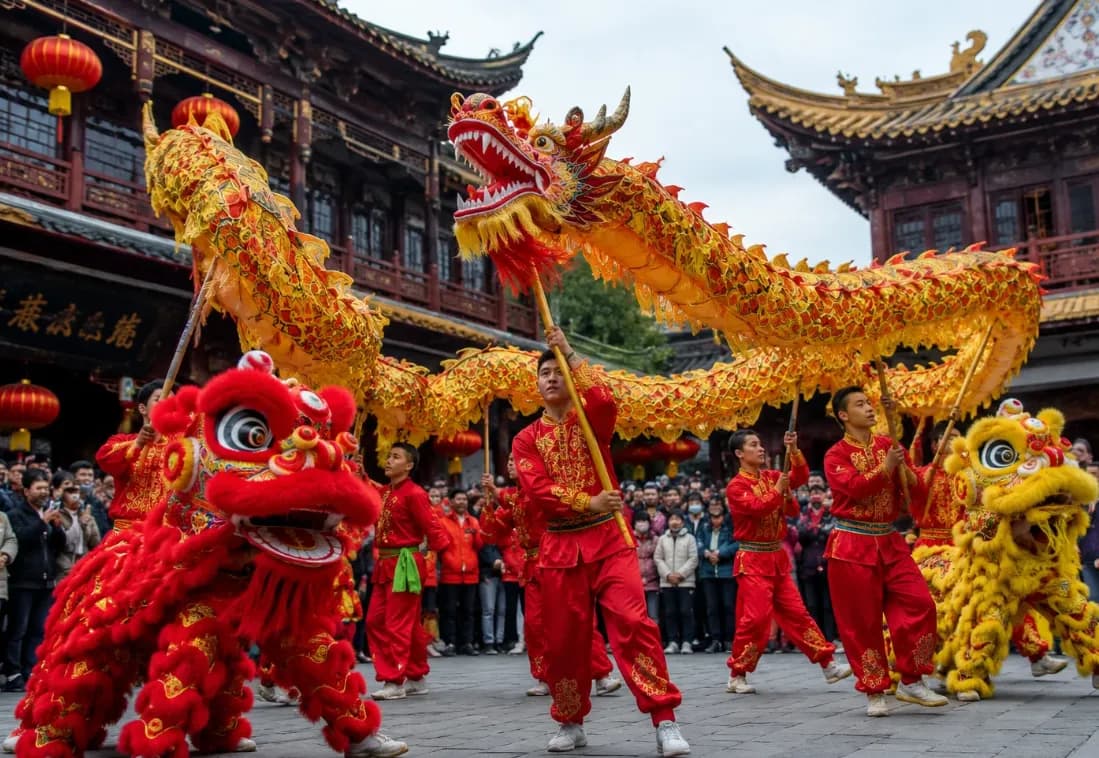
During major Chinese celebrations, one of the most exciting sights is often a long, colorful dragon moving through the streets. Carried by a team of performers using poles, the dragon twists, rises and dances to the rhythm of drums and cymbals. This is the Chinese dragon dance, a traditional performance that represents good fortune and festive energy.

Why Is the Dragon So Important in China?
Unlike the fire-breathing monsters commonly found in Western fantasy stories, the traditional Chinese dragon is generally regarded as an auspicious creature. It is associated with strength, wisdom, protection and the power to bring rain. Historically, dragons also held an important place in imperial symbolism.
How Does a Dragon Dance Work?
A dragon costume is made up of multiple sections supported by poles. Performers coordinate their movements to make the dragon appear to swim through the air. The longer the dragon, the more performers are needed. Drums, gongs and cymbals help create the energetic atmosphere.
When Can You See It?
Dragon dances are especially common during Chinese New Year, temple fairs, cultural festivals and important community celebrations. Some cities also organize large-scale performances for visitors during holiday periods.
If you visit China during a major traditional festival, look out for a dragon dance. The combination of music, movement and enthusiastic crowds offers a memorable glimpse of Chinese celebration culture.
Related Articles
Swipe to explore