Changsha 3-Day Itinerary: A Relaxed Guide to Food, Landmarks and Local Life
A Relaxed Guide to Food, Landmarks and Local LifeIf you are visiting Changsha for the first time and want to see the city's classic landmarks without spending three days rushing from one attractio
If you are visiting Changsha for the first time and want to see the city's classic landmarks without spending three days rushing from one attraction to another, this itinerary is designed for you.
The route combines Changsha's most recognizable sights with local food, old streets, modern shopping districts, museums and a few popular photo spots. More importantly, it leaves enough time to sit down, eat properly and enjoy the city instead of treating every stop like a checklist.

This Changsha itinerary works particularly well for students, couples, families with children and friends traveling together. The three days cover Orange Isle, Yuelu Mountain, Yuelu Academy, Hunan University, Hunan Museum, Wuyi Square, Changsha IFS, Taiping Street, Chaozong Street and several well-known local food areas.
The basic idea is simple: start early when the weather is comfortable, avoid the hottest part of the afternoon when possible, use the metro for longer journeys, and save the city's food and nightlife for the evening.
| Day | Main Area | Highlights | Best For |
|---|---|---|---|
| Day 1 | Central Changsha & Xiang River | Orange Isle, Taiping Street, Pozi Street, Changsha IFS, Du Fu River Pavilion, Dongguashan | First-time visitors, food lovers, photography |
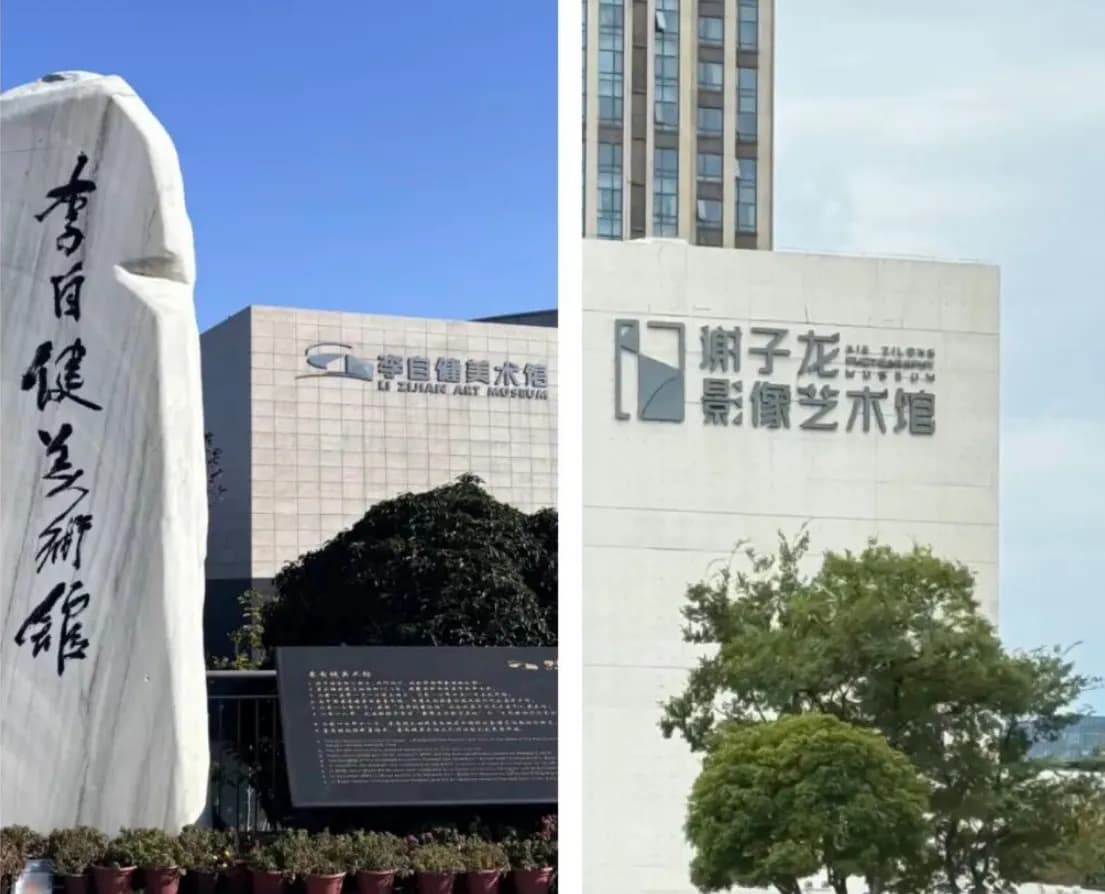
| Day 2 | Yuelu Mountain & Yanghu | Yuelu Mountain, Aiwan Pavilion, Yuelu Academy, Hunan University, Xie Zilong Art Museum, Li Zijian Art Museum | Families, students, culture and photography |
| Day 3 | History & Old Changsha | Hunan Museum, Chaozong Street, local food and free time | History lovers, slow travelers, families |
Changsha is not a city where you need to visit ten attractions a day to have a good trip. Some of its best experiences happen between the major sights: eating a bowl of rice noodles, wandering through an old neighborhood, sitting beside the Xiang River, or stopping for a cup of tea.
There is also a practical reason to avoid overloading the schedule. Changsha can feel hot and humid, particularly from late spring through summer, while weekends and public holidays can bring heavy crowds around Wuyi Square, Orange Isle and other central attractions.
The itinerary therefore groups attractions by area rather than constantly crossing the city.
For transportation, the metro is usually the easiest choice for the main sightseeing areas. Changsha's Line 2 directly serves Orange Isle, Wuyi Square and Changsha Railway Station, while other metro lines connect with major parts of the city.

8:30–11:30 — Orange Isle
Start your first morning at Orange Isle, one of Changsha's defining landmarks.
The long, narrow island sits in the Xiangjiang River between central Changsha and Yuelu Mountain. Its most famous landmark is the huge statue of young Mao Zedong at the southern end of the island.
For first-time visitors, the easiest way to enjoy Orange Isle is not to walk every kilometer of the island. The island is several kilometers long, so taking the sightseeing train can save a considerable amount of energy, especially in warm weather.
The current official tourism information recommends making a real-name reservation in advance. Orange Isle is free to enter, and the official tourist information lists Metro Line 2's Juzizhou Station as the most convenient access point.
If photography is important to you, arriving in the morning has another advantage: the light is generally softer and the island is usually more comfortable before the day's heat and crowds build up.
Spend most of your time around the southern end and the Young Mao Zedong Statue rather than trying to see every corner.
Practical tip: Orange Isle is much larger than it looks on a tourist map. If your goal is a relaxed three-day trip, use the sightseeing train instead of turning the first morning into a long-distance hike.
12:00–14:00 — Pozi Street and Taiping Street for Lunch
After Orange Isle, head toward central Changsha for lunch.
Taiping Street and Pozi Street are two of the easiest places for a first-time visitor to sample Changsha snacks. They are close to the city's main commercial district, making them convenient for a short lunch and rest break.
You will find familiar Changsha specialties such as stinky tofu, sugar-oil baba, rice noodles, braised snacks and various spicy dishes.
There is one important distinction to keep in mind: these streets are designed for visitors as much as for locals. Some popular snack shops can be more expensive than neighborhood restaurants. If you are looking specifically for everyday local prices, university areas and residential neighborhoods can be better choices.
14:30–17:30 — Wuyi Square and Changsha IFS
Use the afternoon for Changsha's modern city center.
Walk around Wuyi Square and then head toward Changsha IFS, one of the city's most recognizable modern landmarks.
The rooftop sculpture garden at Changsha IFS is famous for its large KAWS installation. It has become one of the city's most photographed contemporary landmarks and is an easy stop if you enjoy urban photography.
Do not feel that you have to spend the entire afternoon inside the shopping mall. The attraction here is really the combination of architecture, shopping, street scenes and the energy of central Changsha.
This is also a good time to buy gifts or simply take a break in an air-conditioned shopping center before the evening sightseeing begins.
19:30–21:00 — Du Fu River Pavilion at Night
In the evening, move toward the Xiang River and Du Fu River Pavilion.
The traditional-style pavilion looks particularly atmospheric after dark, when the illuminated building contrasts with the river and the modern skyline of Changsha.
This is one of those places where you do not need a complicated photography plan. Walk along the river, take a few photographs and spend some time enjoying the night breeze.
If you are visiting in summer, check the actual lighting schedule on the day of your visit rather than relying on a fixed time from an older travel guide.
21:00 onwards — Dongguashan Night Food
End your first day at Dongguashan, a well-known late-night food area in Changsha.
This is the part of the itinerary where you should forget about counting calories and simply try a few things with your travel companions.
Popular choices include Dongguashan grilled sausage, hot-braised dishes, crayfish and perilla-seasoned peach with ginger.
The advantage of eating in a local food neighborhood rather than staying entirely around the biggest tourist streets is that you get a different side of Changsha: less polished, louder, later and much more focused on food.

8:00–12:00 — Yuelu Mountain
Day two starts on the western side of the Xiang River at Yuelu Mountain.
This is the day when comfortable shoes matter most. Although Yuelu Mountain is inside the city, you are still spending several hours moving through a large green area with slopes and walking paths.
A practical approach is to use the cableway or sightseeing transportation when available and then walk through the mountain at a more comfortable pace. The exact operating arrangements can change with weather, maintenance and crowd conditions, so check the attraction's official information before leaving your hotel.
The main cultural highlights are Aiwan Pavilion and Yuelu Academy.
Aiwan Pavilion is one of China's famous historic pavilions and is closely associated with the literary tradition of Yuelu Mountain. Yuelu Academy, meanwhile, is one of China's best-known ancient academies and gives the mountain a strong historical and educational character.
Yuelu Mountain and Orange Isle are managed within the same tourist area, and official tourism information advises visitors to make reservations in advance during busy periods.
12:00–14:00 — Lunch Around Hunan University
After coming down from Yuelu Mountain, head toward Hunan University and the surrounding food streets.
This is a useful place to have lunch if you are traveling on a student budget. Compared with some tourist-heavy streets, university areas generally offer a wider range of inexpensive everyday meals.
Try a simple Hunan-style lunch rather than turning this meal into another major sightseeing stop. You still have an afternoon of museums and galleries ahead.
15:00–18:00 — Xie Zilong Art Museum and Li Zijian Art Museum
In the afternoon, change the pace completely and head toward the Yanghu area.
Xie Zilong Art Museum and Li Zijian Art Museum are close enough to combine into the same afternoon, making this one of the easiest cultural pairings in the itinerary.
Xie Zilong is particularly attractive to visitors who enjoy photography, contemporary architecture and image exhibitions. Recent official event information lists free admission, with visitors required to reserve through the museum's official WeChat account.
Li Zijian Art Museum is another useful stop for travelers who want something quieter after a morning in the mountains. The museum is open to the public free of charge, although exhibition arrangements and reservation requirements can vary, so check the current information before visiting.
The two museums are not simply “Instagram photo spots.” If you have children or teenagers with you, they also provide a useful change of pace from historical attractions and outdoor sightseeing.
Evening — Return to Central Changsha for Hunan Cuisine
Return to the Wuyi Square area for dinner.
This is a good evening to sit down for a proper Hunan meal rather than another round of street snacks.
Well-known dishes and restaurants frequently mentioned by visitors include Fried Pork with Chili, Chopped Chili Fish Head and Stir-fried Beef.
Restaurants such as Feidachulajiaochaorou and Tánzōng-style chopped chili fish head restaurants are popular choices, but you do not need to chase a particular famous branch if there is a long queue. In Changsha, a good neighborhood Hunan restaurant can be just as useful for understanding everyday local food.
One warning is worth remembering: if you do not normally eat spicy food, say so before ordering. “Not spicy” is much safer than assuming that a dish described as mild will actually taste mild to a visitor from another country.

9:00–12:00 — Hunan Museum
Save the Hunan Museum for your third morning.
This is arguably the most important historical stop on the itinerary, and it deserves more than a quick one-hour visit.
The museum is particularly famous for its Mawangdui Han Dynasty Tombs collection. The exhibits include the famous plain gauze garment, objects associated with Lady Xin Zhui, silk manuscripts, lacquerware and other archaeological discoveries that provide a remarkably detailed look at life in the Western Han period.
The museum's official visitor information currently lists opening hours from Tuesday to Sunday, 9:00–17:00, with last entry at 16:00, and closure on Mondays except when a statutory holiday changes the schedule. Foreign visitors should bring a passport or other valid identification and check the current reservation and ticketing requirements before visiting.
For a first visit, allow around three hours. If you rush through Mawangdui simply to take photographs, you will miss much of what makes the museum worth visiting.
Important: Do not plan Hunan Museum for Monday. Also, do not assume that arriving without a reservation will work during a busy holiday period. Museum visitor policies can change, so check the official booking system before your trip.
12:00–14:00 — Lunch and a Proper Break
After the museum, have lunch nearby and take a real break.
This is intentionally not another major attraction. Three days of sightseeing become much more enjoyable when the itinerary leaves room for an unhurried meal and some time indoors.
14:30–16:30 — Chaozong Street
For the final afternoon, visit Chaozong Street.
The neighborhood offers a different atmosphere from Taiping Street and Pozi Street. Its appeal comes from the combination of older Changsha streetscape, small shops, cafés, creative businesses and everyday urban life.
It is a good place to slow down, take photographs and pick up a few small souvenirs without turning the afternoon into another checklist.
If your train or flight leaves later in the evening, you can extend the walk or return to the central shopping district for your final meal.
Changsha food is famous for bold flavors, chili and late-night eating. You do not need to visit every famous restaurant to understand it. A mixture of street snacks, one proper Hunan dinner and one late-night meal is enough for a three-day trip.
Changsha Snacks to Try
| Food | What to Expect |
|---|---|
| Changsha Stinky Tofu | Crispy outside, soft inside, strongly fermented and usually served with spicy sauce. |
| Sugar-Oil Baba | A chewy, sweet Hunan-style rice cake snack. |
| Dongguashan Grilled Sausage | A popular late-night snack associated with the Dongguashan food area. |
| Perilla Peach with Ginger | A distinctive sweet, sour, aromatic and slightly savory Changsha snack. |
| Hot-Braised Dishes | Various ingredients cooked in a strongly seasoned braising sauce. |
| Changsha Rice Noodles | A simple local breakfast or quick meal that is particularly useful for budget travelers. |
Hunan Dishes Worth Ordering
For a sit-down meal, look for fried pork with chili, chopped chili fish head and stir-fried beef.
Feidachulajiaochaorou is particularly associated with fried pork with chili, while Tánzōng is known for chopped chili fish head. Chain restaurants can be convenient for first-time visitors because menus and ordering are relatively straightforward, but do not feel that you must eat only at famous chains.
Local family restaurants and neighborhood Hunan restaurants can provide a more ordinary version of the same cuisine.
Local Drinks
Cha Yan Yue Se is one of Changsha's best-known local tea brands and has become part of the city's contemporary food culture. Popular drinks include Orchid Latte and Sound of Oolong.
Another local-style option is hand-shaken lemon tea, including drinks from brands such as Ningji.
Queues at popular tea shops can become surprisingly long. If the line looks excessive, there is little reason to spend half an hour waiting for one drink when Changsha has cafés and tea shops on almost every busy commercial street.

For this itinerary, public transportation is usually more convenient than taking taxis between every attraction.
Metro
Changsha's metro network covers most of the areas used in this itinerary. Line 2 is particularly useful because it serves Juzizhou, Wuyi Square and Changsha Railway Station. The city's metro network also connects with other major districts and the high-speed railway area.
For international visitors, the metro is also useful because traffic around the central commercial district can become slow during weekends and holidays.
Walking and Shared Bicycles
Walking works well around Taiping Street, Chaozong Street and parts of the Wuyi Square area.
Shared bicycles can be convenient for short distances, but they are not necessary for the main sightseeing route. In hot weather, saving your energy for the attractions is often a better decision.
Orange Isle Transportation
Because Orange Isle stretches for several kilometers, the sightseeing train is worth considering if you are traveling with children, older family members or simply want a relaxed morning.
The official tourism information currently lists the island's sightseeing train as a paid service, with online purchasing available through the relevant official mini program.

If this is your first visit, staying around Wuyi Square, Huangxing Road or the central city area makes the itinerary easier.
You will be close to the busiest shopping streets, restaurants and Metro Line 1 and Line 2, while Orange Isle is only a short metro ride away.
| Area | Why Stay Here | Best For |
|---|---|---|
| Wuyi Square | Central location, shopping, restaurants and easy metro connections | First-time visitors |
| Huangxing Road / Pozi Street | Excellent access to food streets and nightlife | Food lovers and young travelers |
| Near Changsha Railway Station | Convenient for travelers arriving or leaving by train | Short stays and train travelers |
| Yuelu District | Closer to Yuelu Mountain, Hunan University and Yanghu museums | Families and slower trips |
Reserve Major Attractions Before You Go
Do not build your itinerary first and worry about reservations later.
Orange Isle currently uses advance real-name reservations, and Hunan Museum has its own visitor and identification requirements. Other museums and attractions can also introduce reservation systems for particular exhibitions or busy periods.
Before each trip, check the attraction's official account or official website rather than relying on an old blog post.
Do Not Assume Every Tourist Street Has the Lowest Food Prices
Taiping Street and Pozi Street are convenient and fun, but they are also among the city's busiest visitor areas.
If your priority is inexpensive everyday food, look at university neighborhoods, residential streets and Dongguashan rather than eating every meal in the most famous tourist street.
Tell Restaurants How Much Chili You Can Handle
Hunan cuisine is known for chili, but “spicy” is not a single level.
If you are sensitive to spicy food, say “mild” or “no chili” when ordering. This is particularly important for visitors who are used to milder Chinese food from other regions.
Do Not Schedule Every Day from Morning Until Midnight
This itinerary deliberately leaves empty space.
Changsha is a food-and-nightlife city, and some of the most memorable moments happen when you stop following the schedule: sitting beside the river, wandering into a small shop, trying a snack you have never seen before or staying longer at a restaurant because the food is good.
Prepare for Heat and Rain
Changsha can be hot, humid and rainy. Bring sunscreen, water and a compact umbrella or rain jacket, particularly if you are traveling between late spring and summer.
Comfortable walking shoes are more important than fashionable shoes on this itinerary. Yuelu Mountain alone can involve substantial walking.
Yes, with a few adjustments.
For families, the most demanding part is Yuelu Mountain. Use sightseeing transportation or the cableway where appropriate rather than insisting on walking the entire route.
Orange Isle's sightseeing train is also useful with young children because the island is large and the weather can be hot.
Hunan Museum is a particularly good family stop if the children are old enough to appreciate historical objects. The Mawangdui collection provides a much more concrete connection to ancient Chinese history than simply looking at historical buildings.
The art museums on Day 2 also give children a quieter afternoon after the outdoor activities.
It can be very budget-friendly.
Several of the major attractions are free or relatively inexpensive, and the metro makes it possible to avoid spending heavily on taxis.
The biggest savings usually come from accommodation and food rather than trying to cut every attraction. Staying near a metro station and eating one or two meals around university areas can make a noticeable difference to the total budget.
Students who enjoy nightlife can also shift more of their budget toward evening food instead of expensive daytime entertainment.
If you have four or five days, do not simply add more attractions to the existing three days.
Instead, slow down.
You could add more time around Yuelu Mountain and Hunan University, explore additional old neighborhoods, visit Hunan Provincial Museum more deeply, spend an afternoon around Yanghu Wetland, or use Changsha as a base for a day trip to nearby destinations.
For travelers interested in Chinese culture, Changsha is also a useful starting point for exploring other parts of Hunan, including Shaoshan, Fenghuang Ancient Town and Zhangjiajie.
Day 1: Orange Isle → Taiping Street → Pozi Street → Wuyi Square → Changsha IFS → Du Fu River Pavilion → Dongguashan
Day 2: Yuelu Mountain → Aiwan Pavilion → Yuelu Academy → Hunan University → Xie Zilong Art Museum → Li Zijian Art Museum → Hunan dinner
Day 3: Hunan Museum → local lunch → Chaozong Street → free time → departure
The route is deliberately not packed. You see the major Changsha landmarks, try the food the city is known for, experience both old and modern Changsha, and still have enough time to actually enjoy where you are.
For a first visit, that balance is more useful than trying to collect as many attractions as possible.
Before traveling: recheck attraction opening hours, reservation requirements, temporary closures and transportation arrangements on official channels. Changsha's tourism services are increasingly centralized through the city's “Qu Changsha” platform, which now connects reservation systems for major attractions including Yuelu Mountain and Orange Isle.
How many days do you need in Changsha?
Three full days is a comfortable amount of time for a first visit. It allows you to see Orange Isle, Yuelu Mountain, Hunan Museum and the main central food and shopping districts without rushing.
What is the best area to stay in Changsha for first-time visitors?
Wuyi Square and the surrounding central area are convenient because of the metro network, restaurants, shopping and nightlife. They also make it easy to reach Orange Isle and other major attractions.
Is Orange Isle free?
Orange Isle itself is free to enter, but visitors may need to make an advance real-name reservation. The sightseeing train is a separate paid service. Always check the latest official information before visiting.
Is Hunan Museum free?
The museum's basic public exhibitions are free, but visitor registration and identification requirements apply. The museum currently lists Tuesday-to-Sunday opening, with Monday closure except when holiday arrangements change.
Is Changsha suitable for a family trip?
Yes. The combination of museums, parks, easy metro transportation, food streets and relatively compact central attractions makes Changsha practical for families. The main adjustment is to reduce walking on Yuelu Mountain and Orange Isle.
Is Changsha food very spicy?
Many traditional Hunan dishes are spicy, but restaurants can usually adjust the level. Visitors who are sensitive to chili should clearly request mild or no chili when ordering.
Should I use taxis or the metro in Changsha?
For this itinerary, the metro is usually the better default. It avoids traffic around busy central areas and connects many of the major sightseeing districts. Taxis or ride-hailing are more useful for the last part of a journey when a metro station is not convenient.
Your journey, simplified
How We Work
From the first idea to the final day, every detail is handled with care.
Share your travel ideas
Tell us where you want to go and what you enjoy.
Meet your travel advisor
We shape a personal itinerary around your priorities.
Confirm your journey
Review every detail and reserve with confidence.
Travel with support
Our team stays available throughout your trip.
Travel expert
Contact Your Travel Specialist
Get practical advice from a local specialist and turn this route into a trip that fits you.
Start planningRelated Articles
Swipe to explore