Chinese Tea Culture: The Traditions Behind Every Cup of Tea
In China, offering someone a cup of tea is often a simple expression of hospitality. Tea appears in family gatherings, business meetings, restaurants and everyday conversations. But behind this famili
In China, offering someone a cup of tea is often a simple expression of hospitality. Tea appears in family gatherings, business meetings, restaurants and everyday conversations. But behind this familiar drink lies a long cultural tradition involving craftsmanship, regional identity, etiquette and a deep appreciation of nature.

China's Long Relationship with Tea
Tea has been part of Chinese life for many centuries. Over time, different regions developed their own tea-growing traditions and preparation methods. The famous Chinese tea varieties include green tea, black tea, oolong tea, white tea, yellow tea and dark tea. Each category has distinctive processing techniques and flavors.
Why Does Chinese Tea Taste Different?
The flavor of tea depends on the plant variety, growing environment, harvest season and processing method. Longjing from Hangzhou is known for its fresh, gentle character, while Tieguanyin from Fujian is famous for its fragrant oolong style. Pu'er tea from Yunnan is particularly associated with aged and fermented tea traditions.
Experience a Traditional Tea Ceremony
Travelers can explore tea culture in traditional teahouses, tea plantations and cultural workshops. Hangzhou's Longjing tea villages, Fujian's tea-growing areas and Yunnan's historic tea regions are especially interesting destinations.
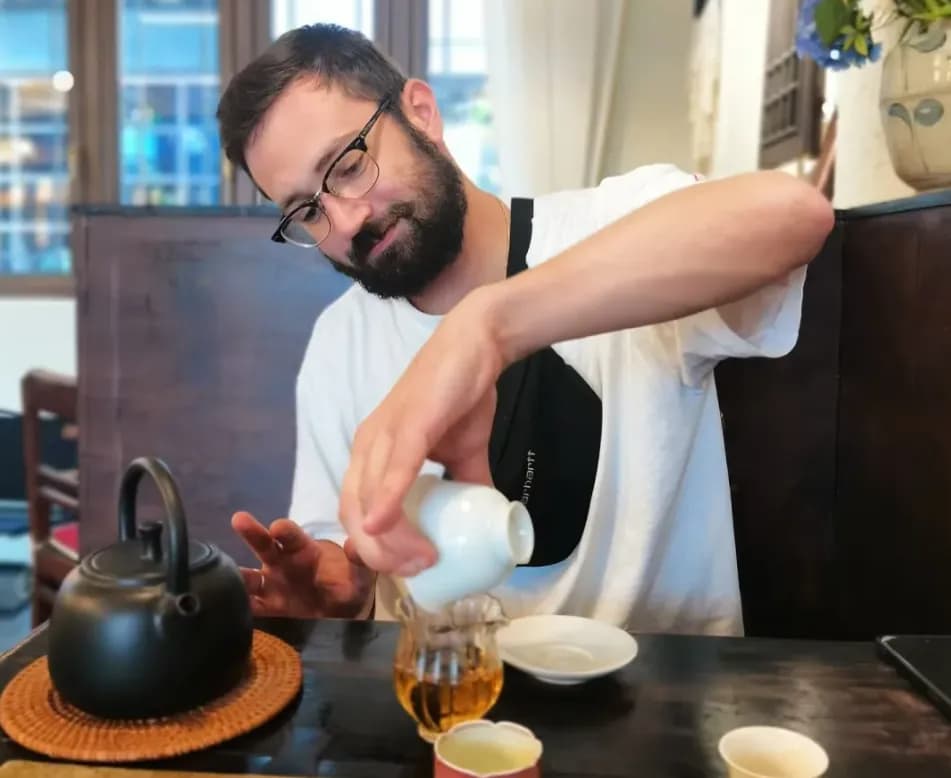
Instead of simply ordering a drink, take time to observe how the leaves are prepared, smell the tea and learn how local people appreciate different varieties. It is one of the most relaxing ways to experience Chinese culture.
Related Articles
Swipe to explore