China Travel Guide: Everything You Need to Know Before Visiting China (2026)
China is enormous—both geographically and culturally. Covering nearly 9.6 million square kilometers, it offers everything from snow-capped mountains in Tibet to tropical beaches in Hainan, modern mega
China is enormous—both geographically and culturally. Covering nearly 9.6 million square kilometers, it offers everything from snow-capped mountains in Tibet to tropical beaches in Hainan, modern megacities like Shanghai to centuries-old villages in Anhui.
Some of the biggest reasons travelers choose China include:
Rich history spanning over 5,000 years
UNESCO World Heritage Sites
Incredible food that varies dramatically by region
High-speed rail network connecting most major cities
Affordable transportation and accommodation
Safe cities with excellent public infrastructure
Stunning natural landscapes
Whether you're interested in history, food, photography, hiking, architecture, or local culture, China has something to offer.
China is a year-round destination, but the ideal travel season depends on where you're going.
Spring offers comfortable temperatures, blooming flowers, and fewer crowds than summer. It's best for:
Beijing
Xi'an
Guilin
Huangshan
Yangtze River cruises
Summer is ideal for mountain destinations but can be hot and humid in many cities. It's best for:
Yunnan
Tibet
Inner Mongolia
Zhangjiajie
But avoid traveling during early October and the summer school holidays if possible, as domestic tourism peaks during these periods.
Autumn is widely considered the best season to visit China, it is an ideal season for most of the places
Winter is perfect for travelers who enjoy snow festivals or want to experience fewer crowds. Popular winter destinations include:
Harbin Ice Festival
Beijing
Huangshan
Northeast China
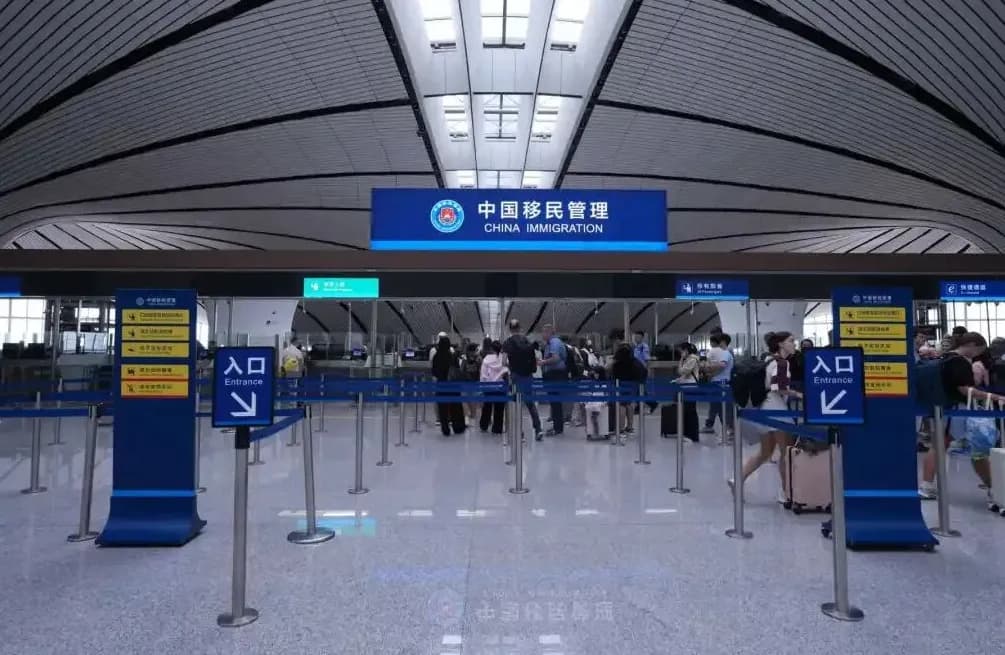
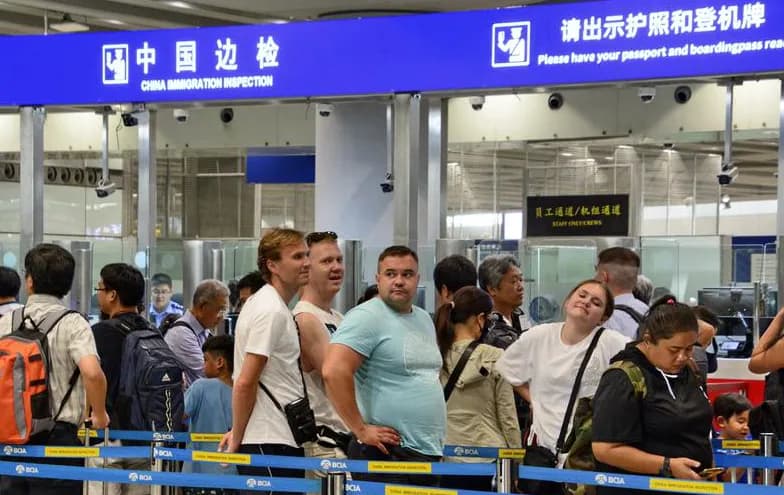
China has expanded its visa-free entry policies for citizens of many countries in recent years, making travel much easier.
However, entry requirements depend on:
Your nationality
Length of stay
Purpose of visit
Always check the latest government regulations before booking flights, as policies may change.
Your passport should generally have at least six months of remaining validity.
Transportation is one of China's greatest strengths.
High-Speed Rail
China has the world's largest high-speed railway network.
Advantages:
Fast
Comfortable
Affordable
Reliable
Popular routes include:
Beijing–Shanghai
Beijing–Xi'an
Shanghai–Hangzhou
Guangzhou–Shenzhen
For many routes under six hours, high-speed trains are often more convenient than flying.
Domestic Flights
Flights are useful for covering long distances, especially when traveling between eastern and western China.
Budget airlines operate alongside major carriers.
Metro Systems
Major cities have excellent subway systems.
Cities with extensive metro networks include:
Beijing
Shanghai
Guangzhou
Shenzhen
Chengdu
Hangzhou
Signs and announcements are usually available in both Chinese and English.
Taxis and Ride-Hailing
Taxis are affordable compared with many Western countries.
Ride-hailing apps are widely used and often provide English interfaces or translation features.
China is increasingly cashless.
Many shops prefer mobile payments, though international visitors now have more options than ever.
International credit cards are accepted at many hotels, airports, and large shopping centers, but carrying some cash is still useful.
Visitors can purchase:
Physical SIM cards
Tourist SIMs
eSIM plans before arrival
Reliable internet access makes navigation and translation much easier.
Some international websites and apps may be unavailable without a VPN.
If you rely on services such as Google, Gmail, Instagram, WhatsApp, or Facebook, research your connectivity options before traveling and install any necessary tools before entering China.
Before your trip, consider downloading these useful apps to make traveling in China much easier:
Google Translate – Download the Chinese offline language pack for quick translations. Microsoft Translator is another good alternative.
Apple Maps (iPhone) or Amap (Gaode Maps) – Apple Maps works surprisingly well in China, while Amap provides the most accurate local navigation, public transit, and walking directions. (Google Maps has limited functionality in mainland China.)
DiDi – China's most popular ride-hailing app. The English version can be accessed through the Alipay app or downloaded separately in some regions.
Trip.com – One of the easiest platforms for international travelers to book high-speed train tickets, domestic flights, hotels, and attraction tickets in English.
Alipay – More than just a payment app, it also includes DiDi, bike sharing, metro QR codes in many cities, translation features, and other travel services.
Any currency converter
Any weather app
Passport
Travel insurance
Comfortable walking shoes
Portable charger
Universal adapter
Power bank
Reusable water bottle
Basic medications
Lightweight rain jacket
Translation app
Depending on your destination, weather conditions can vary greatly.
Is China safe for tourists?
Yes. China has relatively low rates of violent crime, and most visitors find major tourist destinations very safe. As with any country, remain aware of your surroundings and take normal travel precautions.
Can I travel independently?
Absolutely. China's transportation infrastructure makes independent travel easier than ever, especially in major cities.
Do people speak English?
English is commonly spoken in international hotels and airports, but less so in smaller cities. Translation apps are extremely useful.
How many days should I spend in China?
For first-time visitors:
7 days: One or two cities
10 days: Classic highlights
14 days: Well-balanced introduction
21+ days: Multiple regions
Is China expensive?
Compared with many Western countries, China offers excellent value. Transportation, hotels, and dining are generally affordable, especially outside luxury travel.
Should I join a tour or travel independently?
Both options work well. Independent travelers enjoy flexibility, while private guided tours are ideal for visitors who want seamless transportation, local expertise, language assistance, and customized itineraries.
Beijing
China's capital blends imperial history with modern development.
Must-see attractions:
Great Wall
Forbidden City
Temple of Heaven
Summer Palace
Hutongs
Shanghai
Shanghai represents modern China.
Top experiences:
Walking along The Bund
Visiting Pudong
Shopping on Nanjing Road
Exploring the French Concession
River cruises
Xi'an
Known as the starting point of the Silk Road, Xi'an is home to one of the world's greatest archaeological discoveries.
Highlights:
Terracotta Warriors
Ancient City Wall
Bell Tower
Muslim Quarter
Chengdu
Chengdu is famous for giant pandas and relaxed lifestyle.
Don't miss:
Panda Base
Sichuan hotpot
People's Park
Jinli Ancient Street
Guilin & Yangshuo
The limestone karst landscape is among China's most iconic natural wonders.
Popular activities:
Li River cruise
Bamboo rafting
Cycling
Cave exploration
Zhangjiajie
Known for towering sandstone pillars that inspired scenes in Avatar.
Top attractions:
National Forest Park
Glass Bridge
Tianmen Mountain
Bailong Elevator
Yunnan Province
Perfect for travelers seeking ethnic culture and mountain scenery.
Popular destinations include:
Kunming
Dali
Lijiang
Shangri-La
China offers accommodations for every budget.
Budget
Hostels
Budget hotels
Guesthouses
Typical price:
US$15–40 per night
Mid-Range
Business hotels
Boutique hotels
International chains
Typical price:
US$50–120 per night
Luxury
Five-star hotels are often excellent value compared with Europe or North America.
Typical price:
US$150–350+ per night
Chinese cuisine changes dramatically from province to province.
Some famous dishes include:
Beijing
Peking Duck
Zhajiang noodles
Sichuan
This province's food is usually extra spicy, you may ask them to put less chili.
Hotpot
Mapo tofu
Kung Pao Chicken
Guangdong
Dim sum
Roast goose
Wonton noodles
Xi'an
Biang Biang noodles
Roujiamo
Lamb skewers
Shanghai
Xiaolongbao
Braised pork
Street food is generally delicious, but choose busy vendors with high turnover for the freshest meals. Careful with possible allergen such as crushed peanuts which are commonly used as a topping.
Planning a trip to China can be exciting, but creating the perfect itinerary often requires local knowledge and careful planning. If you need help designing a private China tour, our travel experts are always ready to assist you.
Visit the Destination section on our website to explore the China itineraries we have created, and let us customize a journey based on your interests, travel style, and schedule. From transportation and hotels to local experiences and guides, we are here to make your China trip smooth, comfortable, and unforgettable.
Your journey, simplified
How We Work
From the first idea to the final day, every detail is handled with care.
Share your travel ideas
Tell us where you want to go and what you enjoy.
Meet your travel advisor
We shape a personal itinerary around your priorities.
Confirm your journey
Review every detail and reserve with confidence.
Travel with support
Our team stays available throughout your trip.
Travel expert
Contact Your Travel Specialist
Get practical advice from a local specialist and turn this route into a trip that fits you.
Start planningRelated Articles
Swipe to explore