Avatar Mountains Guide: How to Visit Zhangjiajie Avatar Mountains
How to Visit Zhangjiajie National Forest Park (Avatar Mountains)If you have seen the floating mountains in Avatar, you may already have an image of Zhangjiajie in your mind: enormous sandstone pillars
If you have seen the floating mountains in Avatar, you may already have an image of Zhangjiajie in your mind: enormous sandstone pillars rising from deep green valleys, disappearing into mist and clouds.
The real landscape is in Zhangjiajie National Forest Park, part of the larger Wulingyuan Scenic and Historic Interest Area in Hunan, China. The area is famous for its spectacular quartz-sandstone peak forest, deep valleys, forests, streams and dramatic viewpoints.

But there is one important detail that many travel articles get wrong: there is no separate attraction officially called the “Avatar Mountains.” When travelers search for the Avatar Mountains in Zhangjiajie, they are usually referring to the Yuanjiajie area, especially the landscape around the Southern Sky Column, which became widely associated with the floating mountains of Avatar.
That distinction matters when planning your trip. Zhangjiajie National Forest Park is a large scenic area with multiple entrances, shuttle-bus routes, hiking trails, cable cars and the famous Bailong Elevator. Simply arriving at the park entrance is not enough. You need to understand the park layout and choose your route before you go.
This guide explains where the Avatar Mountains really are, how to visit Yuanjiajie, which entrance to use, how the Bailong Elevator works, how to combine Yuanjiajie with Tianzi Mountain and Yangjiajie, how many days you need, and how to avoid the most common planning mistakes.
The landscape commonly called the Avatar Mountains is located in Yuanjiajie, within Zhangjiajie National Forest Park in Wulingyuan District, Zhangjiajie, Hunan Province, China.

Yuanjiajie is a mountain plateau surrounded by the distinctive sandstone pillars that make Zhangjiajie famous. The area is one of the most popular parts of the national forest park because several iconic viewpoints are concentrated along relatively accessible clifftop paths.
For international travelers, the easiest way to understand the geography is:
| Place | What It Means |
|---|---|
| Wulingyuan | The larger scenic and historic interest area containing several major mountain and valley zones |
| Zhangjiajie National Forest Park | The core protected park area where many of the famous sandstone pillars are located |
| Yuanjiajie | The main area associated with the “Avatar Mountains” experience |
| Bailong Elevator | A spectacular cliff elevator commonly used to reach Yuanjiajie from the valley |
| Tianzi Mountain | A separate scenic section within the larger park system, famous for panoramic views and sea-of-cloud scenery |
| Tianmen Mountain | A completely different attraction near Zhangjiajie city and not part of the Yuanjiajie/Avatar Mountains route |
Understanding these names before your trip will save you considerable time. One of the most common mistakes is assuming that Zhangjiajie National Forest Park, Wulingyuan, Tianzi Mountain and Tianmen Mountain are four names for the same attraction. They are not.
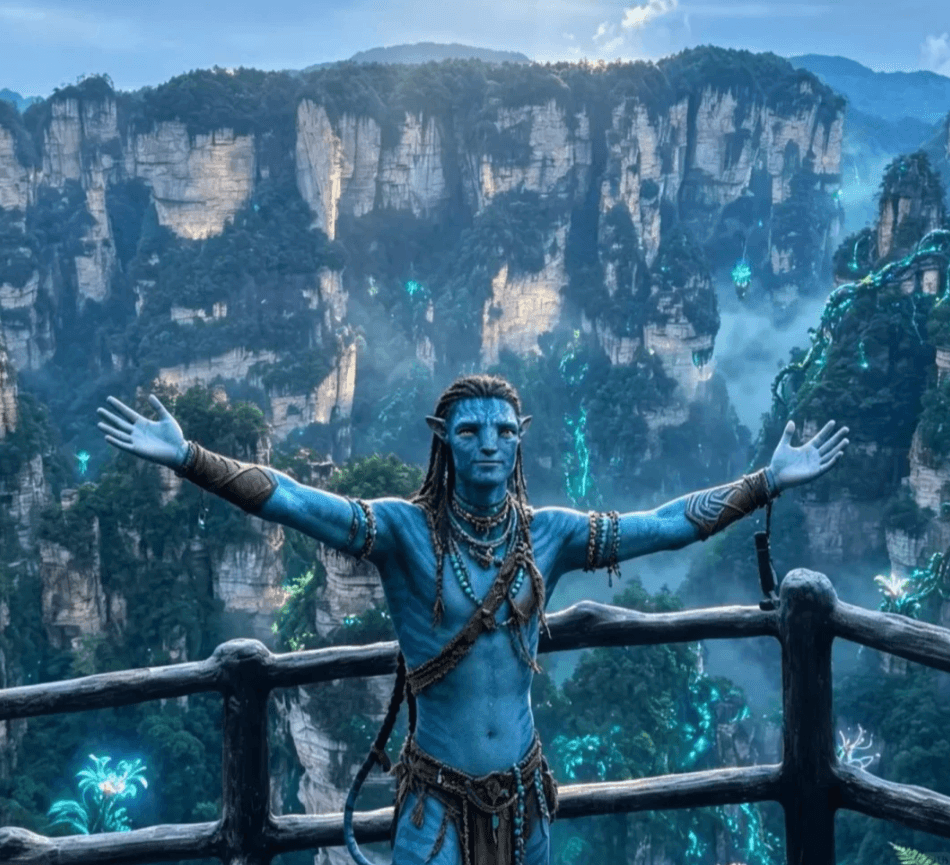
The nickname comes from the extraordinary appearance of Zhangjiajie's vertical sandstone landscape and its association with the visual world of the movie Avatar.
The tall, narrow rock pillars of Yuanjiajie are particularly famous among visitors because they resemble the floating mountain landscapes seen in the film.
However, it is more accurate to describe Zhangjiajie as a real natural landscape that has become associated with the visual imagination of Avatar, rather than saying that a particular mountain is literally the film's floating mountain.
The movie's Pandora environment is a fictional digital world. The real attraction is the geological landscape itself: thousands of sandstone formations rising dramatically from forested valleys.
Zhangjiajie National Forest Park is the core natural attraction that most international travelers have in mind when they search for “Zhangjiajie mountains” or “Avatar mountains in China.”
The park forms part of the larger Wulingyuan Scenic and Historic Interest Area, which is internationally recognized for its exceptional sandstone peak forest landscape.
Unlike a small city park, Zhangjiajie National Forest Park is a large mountain destination with multiple scenic zones and entrances. Visitors normally combine walking with the park's internal shuttle buses and, depending on their route, additional transportation such as the Bailong Elevator or cable cars.
The scale of the park is one reason that route planning matters so much.
Yuanjiajie is located in the northern part of Zhangjiajie National Forest Park and is one of the most famous viewing areas in the Wulingyuan landscape.
The plateau contains several major viewpoints overlooking the sandstone pillars and deep valleys.
For travelers specifically interested in the “Avatar Mountains,” Yuanjiajie should normally be the first priority.
The most recognizable sights include the Southern Sky Column area, the First Bridge Under Heaven, Enchanting Terrace and surrounding peak forests.
Once you arrive on the Yuanjiajie plateau, the experience is primarily about walking from viewpoint to viewpoint rather than climbing one single mountain.
For a first-time visitor who wants the classic Avatar Mountains experience, the most straightforward route is to enter from the Wulingyuan East Gate, take the park shuttle toward the Bailong Elevator, ride the elevator to the Yuanjiajie plateau, explore Yuanjiajie on foot, and then continue to another scenic zone or return toward the entrance.
A typical route looks like this:
Wulingyuan East Gate → Park Shuttle Bus → Bailong Elevator → Yuanjiajie → Avatar viewpoint area → First Bridge Under Heaven → Enchanting Terrace → Park Shuttle Bus → Tianzi Mountain or exit
This route is popular because it places the most famous scenery near the beginning of the day rather than requiring a long climb from the valley.
From Zhangjiajie City
If you stay in central Zhangjiajie, you can travel toward Wulingyuan by road. The journey generally takes around 40 to 60 minutes depending on the starting point, traffic and transport method.
For travelers whose main purpose is to explore the national forest park for several days, staying closer to Wulingyuan is usually more convenient than commuting from Zhangjiajie city every morning.
From Zhangjiajie West Railway Station
Zhangjiajie West Railway Station serves high-speed trains connecting the area with other parts of China.
From the station, travelers can continue by road toward Wulingyuan or Zhangjiajie city before transferring to the scenic area.
If your itinerary is focused mainly on the national forest park, compare the total travel time to your hotel rather than choosing accommodation solely because it is in “Zhangjiajie.” The city and Wulingyuan are not the same place.
From Zhangjiajie Hehua International Airport
Zhangjiajie Hehua International Airport is the area's main airport.
After landing, you can continue by road toward Zhangjiajie city or Wulingyuan. The most convenient choice depends on your arrival time and hotel location.
This is one of the most important decisions when planning a Zhangjiajie National Forest Park itinerary.
The park system has several entrances, and different entrances make more sense for different routes.
| Entrance | Best For |
|---|---|
| East Gate / Wulingyuan | Yuanjiajie, Bailong Elevator and a classic first visit |
| South Gate / Forest Park | Golden Whip Stream and Huangshizhai |
| North Gate / Tianzi Mountain | Tianzi Mountain and routes that approach the mountain from the north |
| West Gate / Yangjiajie | Yangjiajie and travelers interested in quieter mountain scenery |
| Zimugang / Central Area | Specific routes through the central part of the scenic area |
Official tourism guidance has also published multi-day routes connecting different entrances and scenic areas, demonstrating why the park should be treated as a connected destination rather than a single viewpoint.
If your main goal is to see the Avatar Mountains, the Wulingyuan East Gate is generally the most practical starting point.
It is close to Wulingyuan town and provides convenient access to the internal shuttle system that connects visitors with the Bailong Elevator and Yuanjiajie.
This makes the East Gate particularly suitable for travelers who have only one day and want to prioritize the most famous Zhangjiajie landscapes.
It is also a practical reason to stay in Wulingyuan rather than Zhangjiajie city when the national forest park is the main purpose of your trip.
The Bailong Elevator is one of the most unusual ways to enter a mountain landscape anywhere in China.
The elevator is built against a dramatic cliff face and connects the valley area with the Yuanjiajie plateau. The vertical lift is approximately 326 meters, and the ride itself takes only around one to two minutes depending on operating conditions.
For many visitors, the elevator is not simply transportation. It is part of the Zhangjiajie experience.
The view changes rapidly as the elevator rises from the valley toward the sandstone cliffs and upper plateau.
Should You Take the Bailong Elevator?
If this is your first trip and you want to maximize the amount of scenery you can see in one day, yes, the Bailong Elevator is worth considering.
It saves substantial climbing time and gives you quick access to Yuanjiajie.
However, it is not the only way to reach the upper areas. Travelers who prefer hiking can use mountain trails, while certain entrances and park shuttle routes provide alternative approaches.
Is the Bailong Elevator Included in the Park Ticket?
The Bailong Elevator is generally treated as an additional paid transportation service rather than something that should automatically be assumed to be included in the basic scenic-area admission.
Because ticket products, prices and transportation arrangements can change, check the current official ticket information for your travel date before purchasing.
Avatar Hallelujah Mountain Area
The Southern Sky Column area is the viewpoint most strongly associated with the “Avatar Mountains” nickname.
The sandstone pillar rises dramatically above the surrounding forest and is one of the most photographed landscapes in Zhangjiajie.
Do not expect to find a single sign saying “Welcome to the Avatar Mountain.” Instead, think of the Avatar Mountains as a popular travel name for this entire landscape.
First Bridge Under Heaven
The First Bridge Under Heaven is a natural stone bridge connecting two rock formations high above the valley.
It is one of the classic viewpoints along the Yuanjiajie route and can be visited as part of a walking circuit.
Enchanting Terrace
Enchanting Terrace provides a wide view over the surrounding sandstone pillars.
Compared with photographing a single formation, this viewpoint is valuable because it helps you understand the scale of the entire peak forest.
For travelers focused specifically on the Avatar Mountains, allow at least two to three hours for Yuanjiajie.
This gives you time to walk between the major viewpoints, stop for photographs, and account for crowds.
If you are a photography enthusiast or prefer a slower pace, allow longer.
The biggest mistake is trying to rush through Yuanjiajie simply because the individual viewpoints appear close together on a map. The actual visitor experience includes walking, waiting for shuttle buses, navigating viewpoints and dealing with crowds.
Yes, if you have enough time.
Tianzi Mountain is one of the best additions to a Yuanjiajie itinerary because it provides a different perspective on the same extraordinary sandstone landscape.
Yuanjiajie is the area most associated with the Avatar Mountains. Tianzi Mountain is better understood as a panoramic mountain ridge with broad views across the peak forest.
Combining the two gives you both the iconic close-up landscape and the wider panoramic experience.
What Makes Tianzi Mountain Different?
Tianzi Mountain is particularly famous for large-scale views of the sandstone pillars and the possibility of seeing a dramatic sea of clouds under suitable weather conditions.
The viewpoints around Helong Park and the surrounding ridge provide a very different photographic perspective from Yuanjiajie.
If you are visiting during a period of mist or changing weather, the landscape can look dramatically different from hour to hour.
Yangjiajie is worth considering if you have more time or prefer a less concentrated tourist experience.
It contains dramatic cliffs, ridges and unusual rock formations, and some routes are more physically demanding than the main Yuanjiajie viewpoint circuit.
For a first-time visitor with only one day, however, Yangjiajie should usually come after Yuanjiajie rather than replacing it.
Golden Whip Stream offers a completely different experience from the high mountain viewpoints.
Instead of looking down from a cliff-top plateau, you walk through a forested valley alongside water, with enormous sandstone formations rising above you.
This is an excellent choice if you enjoy hiking and want to experience Zhangjiajie from the valley floor.
The contrast is important: Yuanjiajie shows you the peak forest from above, while Golden Whip Stream lets you experience the landscape from below.
If the Avatar Mountains are your main priority, one full day can cover the highlights, but two days is a much better choice for most travelers.
| Available Time | Recommended Plan |
|---|---|
| 1 day | Yuanjiajie + Bailong Elevator + selected Tianzi Mountain viewpoints |
| 2 days | Yuanjiajie + Tianzi Mountain + Golden Whip Stream or Yangjiajie |
| 3 days | Yuanjiajie + Tianzi Mountain + Yangjiajie + Golden Whip Stream and additional scenic areas |
| 4 days | A slower exploration of multiple scenic zones with flexibility for weather and photography |
The official Hunan tourism department has also published one-, two- and three-day routes that combine different parts of the Wulingyuan scenic area, supporting the idea that a multi-day visit is useful for travelers who want more than the Avatar viewpoint.
Morning: Enter Through Wulingyuan East Gate
Start as early as practical.
Take the park shuttle toward the Bailong Elevator and avoid spending your best morning hours traveling between distant scenic areas.
Morning: Take the Bailong Elevator
Ride the Bailong Elevator to the Yuanjiajie plateau if the service is operating and the queue is reasonable.
The earlier you arrive, the better your chances of avoiding the largest crowds around the most famous viewpoints.
Late Morning: Explore Yuanjiajie
Walk through the major viewpoints, including the Southern Sky Column area, First Bridge Under Heaven and Enchanting Terrace.
Allow enough time for photographs rather than treating each viewpoint as a quick photo stop.
Afternoon: Continue to Tianzi Mountain
If your energy and schedule allow, take the internal shuttle toward Tianzi Mountain.
Explore the major panoramic viewpoints and look for changing weather conditions around the sandstone peaks.
Late Afternoon: Return Toward Wulingyuan
Follow the park shuttle system toward your exit and allow plenty of buffer time for queues and transportation.
Do not plan your final connection too tightly. Mountain weather and visitor traffic can make travel inside the park slower than expected.
Day One: Avatar Mountains and Yuanjiajie
Start at the Wulingyuan East Gate and prioritize the Bailong Elevator and Yuanjiajie.
Spend most of the day exploring the plateau and the surrounding viewpoints.
If time remains, continue toward Tianzi Mountain or return to Wulingyuan for the evening.
Day Two: Golden Whip Stream and Another Mountain Area
Use the second day to experience a different side of the landscape.
Golden Whip Stream is a good option for travelers who enjoy walking through forests and valleys.
Alternatively, choose Yangjiajie if you prefer more dramatic mountain ridges and a more adventurous hiking experience.
There is no single perfect month for Zhangjiajie because the ideal weather depends on what you want to photograph.
Spring
Spring can bring fresh green vegetation, comfortable temperatures and misty mountain scenery.
For photographers, the combination of green forests and low cloud can create some of the most atmospheric images.
Summer
Summer brings lush vegetation but can also be hot, humid and busy.
Rain and mist can dramatically change visibility, so flexible planning is useful.
Autumn
Autumn is one of the most attractive periods for travelers who want comfortable hiking conditions and clearer mountain views.
September through November can be particularly appealing, although weather varies from year to year.
Winter
Winter is generally quieter than peak holiday periods and can occasionally produce beautiful frost, snow or cloud effects.
However, mountain transportation and weather conditions can change, so check operating information before setting out.
Yes.
Many first-time visitors assume that a completely clear day is automatically the best weather for Zhangjiajie.
That is not always true.
Low clouds and mist can make the sandstone pillars appear to float above the valleys, creating the surreal atmosphere that makes the Avatar comparison so popular.
On a completely clear day, you may see farther. On a misty day, the landscape may look more dramatic.
If you are a photographer, having some flexibility in your schedule is more valuable than chasing a perfect weather forecast several weeks in advance.
Zhangjiajie is accessible to many travelers, but it is not a completely flat sightseeing destination.
The main Yuanjiajie viewpoints are connected by developed visitor paths, but you should still expect stairs, slopes and substantial walking.
Other areas of the park can require much more physical effort.
| Traveler Type | Recommended Approach |
|---|---|
| First-time visitor | Use shuttle buses and the Bailong Elevator to save energy for the viewpoints |
| Photography traveler | Allow extra time and avoid trying to cover too many scenic zones in one day |
| Family with children | Prioritize Yuanjiajie and use paid transportation where it saves significant walking |
| Older traveler | Choose a slower itinerary and minimize unnecessary stair-heavy routes |
| Experienced hiker | Consider longer walking routes and quieter sections such as Yangjiajie |
The most famous viewpoints can become crowded, particularly during Chinese public holidays and peak travel periods.
The crowds are not evenly distributed across the entire park. The most famous viewpoints and transportation transfer points tend to concentrate visitors.
This creates an important strategy: do not judge the entire park by the crowd at one famous viewpoint.
Arriving early, traveling outside major holidays and spending more time on less famous sections can make the experience considerably better.
The total cost depends on the admission product, season, transportation choices and how many paid lifts or cable cars you use.
The important thing for international visitors is to understand that the main scenic-area ticket and optional transportation services are not necessarily the same thing.
| Expense | What to Expect |
|---|---|
| Park admission | Required for entering the main scenic area; check the current price for your travel date |
| Internal shuttle buses | Important for moving between many scenic zones; inclusion depends on the ticket product |
| Bailong Elevator | Additional payment may apply |
| Tianzi Mountain Cable Car | Additional payment may apply |
| Other cable cars or sightseeing vehicles | Usually priced separately |
Do not build your budget around an old blog post quoting a single fixed price. Zhangjiajie has multiple ticket products and optional transportation services, and prices or operating arrangements can change.
For international travelers, advance planning is recommended, especially during weekends, Chinese public holidays and peak travel periods.
Real-name ticketing can also mean that the information used for booking must match the traveler's identity document.
Keep the passport used for your booking with you when visiting the scenic area.
Before traveling, verify the current ticket rules, entry procedure, operating hours and transportation arrangements for your specific date.
Comfortable Walking Shoes
This is one of the most important items.
You may use elevators and shuttle buses, but you will still walk a lot once you reach the viewpoints.
Rain Protection
Mountain weather can change quickly. A lightweight rain jacket or compact umbrella can be useful.
Water
Bring enough drinking water for your route, particularly if you plan to hike extensively.
Power Bank
Your phone is likely to be used for navigation, photography, tickets, translation and communication throughout the day.
Offline Information
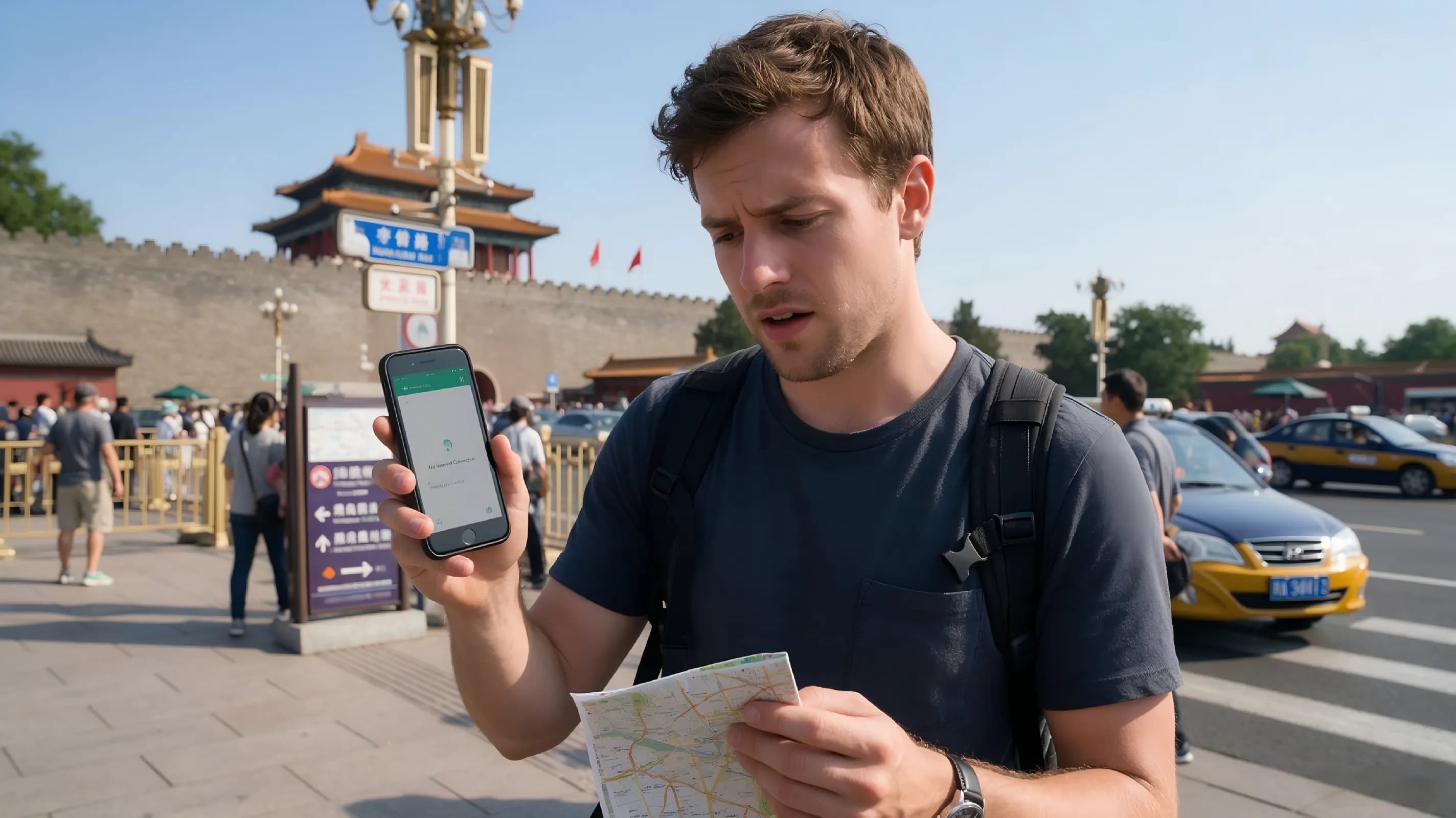
Mobile connectivity can vary in mountainous areas. Save important hotel details, tickets and route information before entering the park.
Confusing Tianmen Mountain With Zhangjiajie National Forest Park
This is probably the most common planning mistake.
Tianmen Mountain is a separate attraction. It is near Zhangjiajie city and has its own ticket and visitor route.
If your goal is the Avatar Mountains, you need to plan around Wulingyuan and Zhangjiajie National Forest Park instead.
Thinking the Avatar Mountains Are a Separate Attraction
There is no separate “Avatar Mountains” ticket.
The famous Avatar landscape is primarily associated with Yuanjiajie inside Zhangjiajie National Forest Park.
Trying to See Everything in One Day
Zhangjiajie looks deceptively manageable on a map.
Once you include shuttle buses, queues, walking, stairs and viewpoints, covering too many scenic zones in one day can turn a beautiful trip into a race.
Ignoring the Weather
Mountain scenery changes dramatically with clouds, rain and visibility.
Build some flexibility into your itinerary rather than assuming every viewpoint will look exactly like a promotional photograph.
Staying Too Far From the Park
If Zhangjiajie National Forest Park is your main reason for visiting, staying near Wulingyuan can reduce unnecessary commuting and give you more time inside the scenic area.
Yes, especially if you enjoy dramatic landscapes, photography, hiking and nature.
The Avatar connection may be what first attracts international visitors, but the real reason to visit is the landscape itself.
The sandstone pillars, misty valleys, forests and constantly changing weather create a destination that is much more impressive when experienced in person than in photographs.
And once you understand the park layout, the experience becomes much easier to plan.
| Feature | Avatar Mountains / Yuanjiajie | Tianmen Mountain |
|---|---|---|
| Location | Wulingyuan | Near Zhangjiajie city |
| Main scenery | Sandstone pillars and peak forest | Cliffs, valleys and Tianmen Cave |
| Avatar association | Yes | No |
| Park system | Wulingyuan / National Forest Park | Separate scenic area |
| Best for | Nature, photography, sandstone mountains and hiking | Mountain infrastructure, cliffs, cable car and Tianmen Cave |
If you have enough time, visiting both can make sense because they provide very different experiences.
If your trip to Zhangjiajie is primarily about seeing the Avatar Mountains, do not start by asking which attractions you can fit into a single day.
Start with the landscape you most want to see.
Choose Yuanjiajie first. Then build the rest of your itinerary around it.
For most first-time international visitors, a sensible strategy is to stay in Wulingyuan, enter through the East Gate, visit Yuanjiajie early, use the Bailong Elevator if appropriate, and then add Tianzi Mountain, Yangjiajie or Golden Whip Stream depending on your available time and physical condition.
This approach is more realistic than trying to visit every famous attraction simply because it appears on a tourist map.
Where are the Avatar Mountains located?
The landscape commonly called the Avatar Mountains is mainly associated with Yuanjiajie in Zhangjiajie National Forest Park, within the larger Wulingyuan Scenic and Historic Interest Area in Hunan, China.
Is Avatar Mountain a real mountain?
The “Avatar Mountains” is a popular tourism nickname rather than the official name of a single mountain. Travelers generally use the term to describe the dramatic sandstone pillars around Yuanjiajie.
Was Avatar filmed in Zhangjiajie?
The connection is primarily visual inspiration and popular tourism association. The Pandora mountains in Avatar are fictional digital environments, while Zhangjiajie's sandstone pillars are real geological formations.
How do I get to the Avatar Mountains?
The most common first-time route is to enter Zhangjiajie National Forest Park through the Wulingyuan East Gate, take an internal shuttle to the Bailong Elevator, ride to the Yuanjiajie plateau, and explore the viewpoints on foot.
How long do I need for the Avatar Mountains?
Allow at least two to three hours for Yuanjiajie itself. A full day is better if you also want to include Tianzi Mountain.
Is the Bailong Elevator worth it?
For most first-time visitors, yes. It provides a fast and memorable way to reach Yuanjiajie and saves substantial climbing time.
Can I visit Zhangjiajie National Forest Park in one day?
Yes, you can see the major highlights in one day, especially if you prioritize Yuanjiajie. However, two days provides a much more comfortable experience and allows you to explore a second scenic zone.
Is Tianzi Mountain the same as Tianmen Mountain?
No. Tianzi Mountain is part of the Wulingyuan scenic system. Tianmen Mountain is a separate scenic attraction near Zhangjiajie city.
Is Zhangjiajie suitable for older travelers?
Yes, but route planning is important. Shuttle buses, elevators and cable cars can reduce some of the climbing, although visitors should still expect considerable walking and stairs.
What is the best month to visit Zhangjiajie?
Spring and autumn are often attractive because of comfortable temperatures and favorable mountain scenery. However, misty and cloudy conditions can also create spectacular views, so there is no single perfect month for every traveler.
If you only remember one thing from this guide, remember this:
The Avatar Mountains are not a separate attraction. The classic Avatar landscape is in Yuanjiajie, inside Zhangjiajie National Forest Park, which is part of the larger Wulingyuan scenic area.
For a first visit, the simplest strategy is:
Stay in Wulingyuan → Enter through the East Gate → Take the park shuttle → Ride the Bailong Elevator → Explore Yuanjiajie → See the Avatar viewpoint area → Continue to Tianzi Mountain if time allows.
If you have two or three days, add Golden Whip Stream and Yangjiajie rather than trying to rush through every attraction in a single day.
Most importantly, do not come to Zhangjiajie simply to take one photograph and leave. The real experience is the combination of sandstone pillars, forests, valleys, mist, changing light and long mountain walks.
The Avatar connection may bring you to Zhangjiajie, but the landscape itself is what makes the journey worth taking.
Your journey, simplified
How We Work
From the first idea to the final day, every detail is handled with care.
Share your travel ideas
Tell us where you want to go and what you enjoy.
Meet your travel advisor
We shape a personal itinerary around your priorities.
Confirm your journey
Review every detail and reserve with confidence.
Travel with support
Our team stays available throughout your trip.
Travel expert
Contact Your Travel Specialist
Get practical advice from a local specialist and turn this route into a trip that fits you.
Start planningRelated Articles
Swipe to explore