How to Order Food in China: QR Code Menus & Food Delivery Apps
How to Order Food in China: QR Code Menus & Food Delivery AppsTraveling in China and struggling with local restaurant ordering systems? Many international visitors find it confusing that tradition
Traveling in China and struggling with local restaurant ordering systems? Many international visitors find it confusing that traditional paper menus are almost gone across Chinese restaurants. Instead, QR code menus and mobile food delivery platforms dominate daily dining experiences throughout mainland China.
As travel content professionals with on-the-ground experience assisting foreign tourists in China, we’ve created this practical, up-to-date guide to help travelers easily order food in restaurants and via delivery apps. All tips are based on real travel scenarios, solving the most common problems foreigners face with language barriers, payment limits, and unfamiliar local systems.
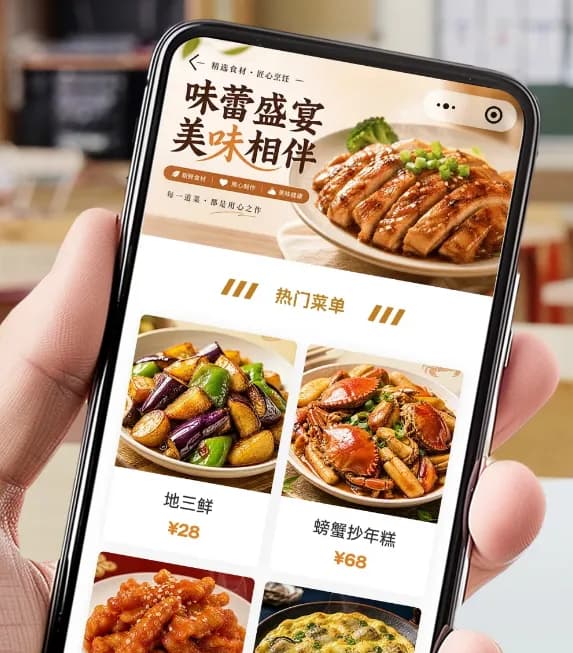
A QR code menu is a digital ordering system widely used in almost all restaurants across China. Instead of handing out physical paper menus, restaurants place printed QR codes on every dining table. Customers scan the code with their mobile phones to browse dishes, place orders, and complete payments directly on a mobile webpage.
This contactless ordering method has become the industry standard in China. It improves dining efficiency and reduces labor costs for restaurants. For foreign travelers, it also brings unique challenges, as most local digital menus are originally written in Chinese only.
Key Features of China’s QR Code Menus for Foreign Travelers
No app download is required. Travelers can open the menu directly through a mobile browser after scanning the QR code. Most digital menus include real dish photos, which greatly helps tourists who cannot read Chinese characters. Some chain restaurants offer official English translations, while small local eateries only provide pure Chinese content.
All orders submitted via QR menus are sent directly to the restaurant kitchen. Travelers must double-check dish selections, spice levels, and custom notes before confirming payment to avoid wrong orders.
Follow these simple steps to order food smoothly in Chinese restaurants without asking for staff help.
Open your mobile camera and scan the QR code sticker on your dining table. Tap the pop-up link to load the digital menu page on your browser. Browse dishes by referencing photos and basic text information. If no English version is available, copy Chinese dish names and use translation tools to check ingredients and flavors.
Add preferred dishes to your order cart. Most menus support personalized requests, including spice adjustment, less oil, no garlic, or no cilantro. Review your full order and total price in the cart page. Submit the order and finish payment via supported mobile payment methods. Finally, wait for waiters to serve your food at the table.
Best Food Delivery Apps for Foreigners Traveling in China

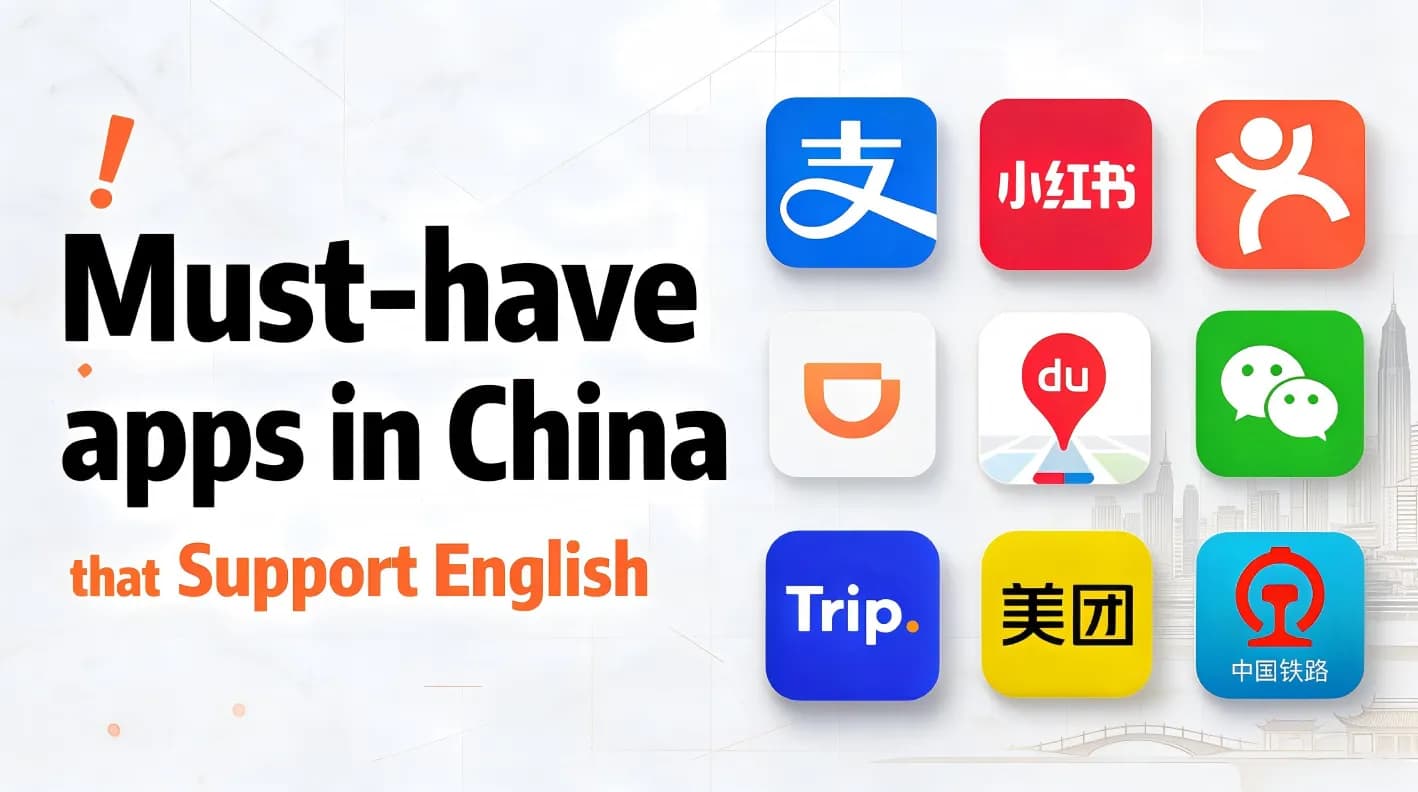
Dining in restaurants is convenient, but ordering food delivery to your hotel is a more flexible choice for travelers with tight schedules or limited local transportation. Two platforms cover almost all food delivery services in mainland China: Meituan and Ele.me.
Meituan
Meituan is the largest local life service and food delivery platform in China. It has the widest merchant coverage, covering high-end restaurants, casual diners, street snacks, and international fast food chains. It provides fast delivery speed and stable service in all first-tier, second-tier, and most third-tier cities.
The main drawback for foreign users is that the official app interface is mainly in Chinese. International credit and debit cards are not fully supported for direct payment. Travelers are advised to save their hotel’s full Chinese address in advance for accurate location filling.

Ele.me
Ele.me, owned by Alibaba Group, is the second-largest food delivery platform in China. It features rich discount activities and reliable after-sales service. It performs well for late-night food orders and daily casual meals.
Similar to Meituan, Ele.me’s native interface lacks official English support, and foreign bank cards cannot be used directly for transactions. Travelers can use screenshot translation tools to browse restaurant information and customer reviews before placing orders.
This is the most important note for international visitors ordering food in China. Almost all domestic restaurant QR payment systems and food delivery apps are designed for local users. They primarily support WeChat Pay and Alipay, which are bound with Chinese bank accounts.
Ordinary foreign credit cards and debit cards cannot be directly linked or used for transactions. Travelers can apply for the Alipay Tour Card service, which allows overseas card binding and supports daily catering consumption in most scenarios.
Use Translation Tools to Avoid Dietary Risks
Many Chinese dish names do not clearly display ingredients. Travelers with food allergies, vegetarian diets, or specific dietary taboos must copy and translate dish names to check for nuts, seafood, spicy ingredients, or animal products before ordering.
Always Prepare a Chinese Hotel Address
Most delivery riders and local restaurant staff cannot understand English addresses. When ordering takeout, always paste the complete Chinese accommodation address to prevent delivery errors.
Avoid Peak Dining Hours
Lunch peak hours from 12:00 to 13:30 and dinner peak hours from 18:00 to 20:00 lead to long waiting times and delayed food delivery. Arrange your meal time in advance for a better experience.
Do I need a Chinese phone number to scan QR menus?
No. QR code menu web pages do not require login or local phone number verification. You only need stable internet access to browse menus and place orders.
Can foreign cards be used for Chinese food delivery apps?
Most native delivery app payments do not support overseas bank cards. Foreign travelers can use the Alipay Tour Card solution to complete legal and valid catering payments.
Is food delivery available in all areas of China?
Food delivery services are mature and stable in major tourist cities including Beijing, Shanghai, Guangzhou, Chengdu, and Xi’an. Remote mountain scenic areas, rural towns, and remote scenic spots usually have no delivery support.
QR code menus and mobile food delivery have completely upgraded the dining experience in modern China. Although language barriers and payment restrictions exist for foreign travelers, mastering the standard operation process can greatly simplify your daily dining arrangements during your China trip.
By preparing translation tools, Chinese accommodation addresses, and legal tourist payment solutions in advance, you can freely taste various authentic Chinese cuisines and enjoy a convenient travel experience.
Your journey, simplified
How We Work
From the first idea to the final day, every detail is handled with care.
Share your travel ideas
Tell us where you want to go and what you enjoy.
Meet your travel advisor
We shape a personal itinerary around your priorities.
Confirm your journey
Review every detail and reserve with confidence.
Travel with support
Our team stays available throughout your trip.
Travel expert
Contact Your Travel Specialist
Get practical advice from a local specialist and turn this route into a trip that fits you.
Start planningRelated Articles
Swipe to explore